What is Colour Vision Deficiency?
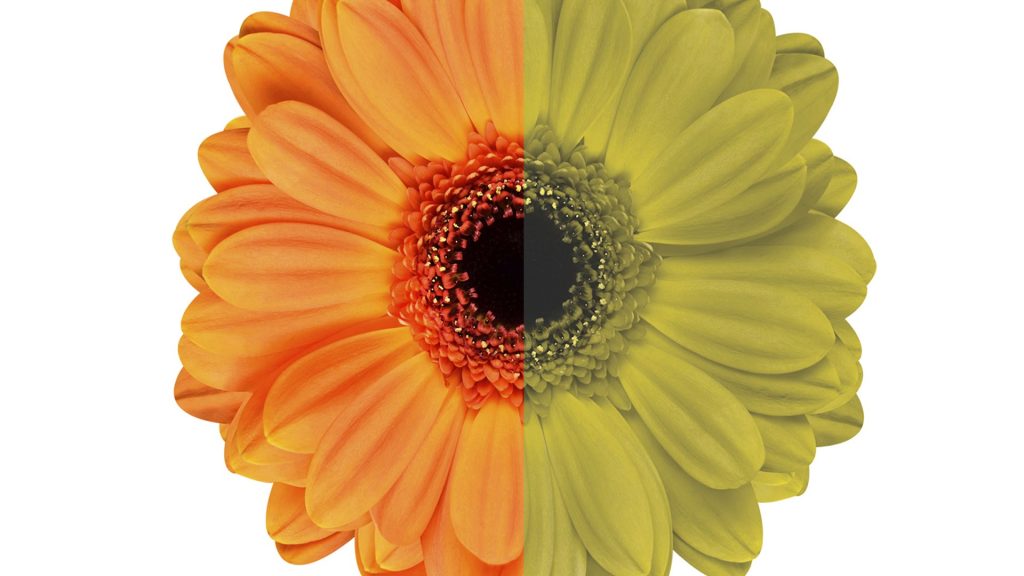
Colour vision deficiency, also known as colour blindness, refers to the inability or reduced ability to perceive colors in the usual way. This condition occurs when the cells in the eye that detect light and color (the cones) do not work properly or are absent. This results in difficulty distinguishing certain colors or perceiving them accurately.
Types of Colour Vision Deficiency
There are several types of colour vision deficiency, each affecting the ability to perceive different colors. The most common types include:
- Red-green colour vision deficiency: This is the most common form, making it difficult to differentiate between red and green hues. It is further categorized into:
- Protanopia: The absence or malfunction of red cones, leading to difficulty in distinguishing red from green.
- Deuteranopia: The absence or malfunction of green cones, leading to a similar difficulty distinguishing red from green.
- Blue-yellow colour vision deficiency: This type of deficiency affects the ability to distinguish between blue and yellow.
- Tritanopia: The absence or malfunction of blue cones, making it hard to differentiate blue from yellow.
- Total colour blindness: This is the rarest form, where an individual cannot perceive any color and sees everything in shades of grey. It is also known as monochromacy.
What Causes Colour Vision Deficiency?
Colour vision deficiency is often inherited, though it can also result from other factors. Here are some common causes:
- Genetic factors: The majority of colour vision deficiencies are inherited and passed down through the X chromosome. As men only have one X chromosome and women have two, men are more likely to inherit colour vision deficiency.
- Aging: As people age, the ability to distinguish between certain colors may decrease, leading to acquired colour vision deficiency.
- Eye diseases: Conditions like cataracts, glaucoma, or macular degeneration can impair color perception.
- Medications: Some medications used for high blood pressure, heart conditions, or diabetes can lead to temporary or permanent changes in colour vision.
- Neurological conditions: Brain injuries, strokes, and certain neurodegenerative conditions can affect colour vision by impairing the neural pathways involved in color processing.
What Are the Symptoms of Colour Vision Deficiency?
The main symptom of colour vision deficiency is difficulty distinguishing certain colors, especially in the red, green, blue, and yellow spectrum. People with the condition may not recognize or confuse colors that others easily see as different. Common symptoms include:
- Difficulty distinguishing between red and green: This is the most common symptom, especially in people with red-green colour vision deficiency.
- Confusion between blue and yellow: Individuals with blue-yellow colour vision deficiency may confuse these two hues.
- Inability to see any colors: In the case of monochromacy, people will see only shades of gray, with no color differentiation.
How Is Colour Vision Deficiency Diagnosed?
Colour vision deficiency is typically diagnosed by an eye care professional through a series of tests. Some of the most common diagnostic methods include:
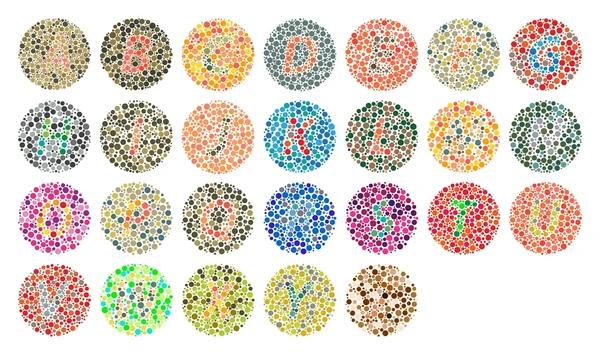
- Ishihara Colour Test: This is the most widely used test, which involves identifying numbers or patterns made from colored dots. Individuals with colour vision deficiency may struggle to see the numbers or patterns.
- Farnsworth-Munsell 100 Hue Test: This test involves arranging colored tiles or caps in order according to hue. It helps determine the type and severity of colour vision deficiency.
- Anomaloscope: This test uses a device that compares the ability to match red and green lights, helping to identify the specific nature of the deficiency.
How Is Colour Vision Deficiency Treated?
Currently, there is no cure for colour vision deficiency, but several tools and techniques can help individuals cope with the condition:
- Color-enhancing glasses: Glasses like EnChroma or ColorLite are designed to improve the differentiation of colors for some individuals with red-green colour vision deficiency.
- Contact lenses: Some specially designed contact lenses may help people with color vision deficiency enhance their color perception.
- Apps and tools: Various smartphone apps and digital tools can help colorblind individuals identify colors in real-time. These tools are especially useful when shopping, reading color-coded charts, or navigating environments with different colors.
- Adaptations in daily life: People with colour vision deficiency often rely on textures, labels, or patterns to identify objects. For example, they might use labeled clothing or checklists with color descriptions.
How Can Colour Vision Deficiency Be Prevented?
Since most cases of colour vision deficiency are inherited and genetic, prevention is not possible. However, acquired colour vision deficiency can be minimized by taking care of overall eye health. Strategies include:
- Regular eye exams: Early detection of eye diseases such as cataracts, glaucoma, or macular degeneration can help prevent or manage the impact on colour vision.
- Protecting eye health: Wearing protective eyewear to shield against injuries or excessive UV light exposure can help maintain healthy vision and reduce the risk of eye diseases that may affect color perception.
How Does Colour Vision Deficiency Impact Daily Life?
While colour vision deficiency does not impair visual acuity, it can create challenges in daily life, especially in tasks that rely on distinguishing colors. Some of the challenges individuals with the condition may face include:
- Educational challenges: Students with colour vision deficiency might have trouble distinguishing color-coded materials, like graphs, charts, or maps.
- Employment limitations: Jobs in fields like graphic design, fashion, or electrical work may pose difficulties for those with severe colour vision deficiency, as they often require accurate color perception.
- Driving: Some individuals with colour vision deficiency may have difficulty distinguishing traffic signals, but most are still able to drive safely by using other cues like position and light patterns.
- Social situations: In social settings, individuals may have trouble choosing matching clothes, identifying ripe fruits, or distinguishing colors in food or other objects.
Who Is at Risk for Colour Vision Deficiency?
- Men: Colour vision deficiency is far more common in men than in women. This is because the genes responsible for the condition are carried on the X chromosome, and men have only one X chromosome, making them more vulnerable.
- Family history: People with a family history of colour vision deficiency are more likely to inherit the condition.
What Is the Outlook for People with Colour Vision Deficiency?
Colour vision deficiency does not usually affect overall vision or cause any serious health problems. Most individuals with this condition can lead full and active lives. While there’s no cure, modern technology, such as color-enhancing glasses and smartphone apps, helps make daily life easier for those affected. Early diagnosis and the use of adaptive tools can improve the quality of life and help individuals manage the condition effectively.