


Overview
Heavy metal toxicity from unregulated herbal supplements is an emerging global health concern. Many herbal products, especially those manufactured without strict quality control, may contain harmful levels of metals like lead, mercury, cadmium, and arsenic. These metals can accumulate in the body over time, leading to serious health complications.
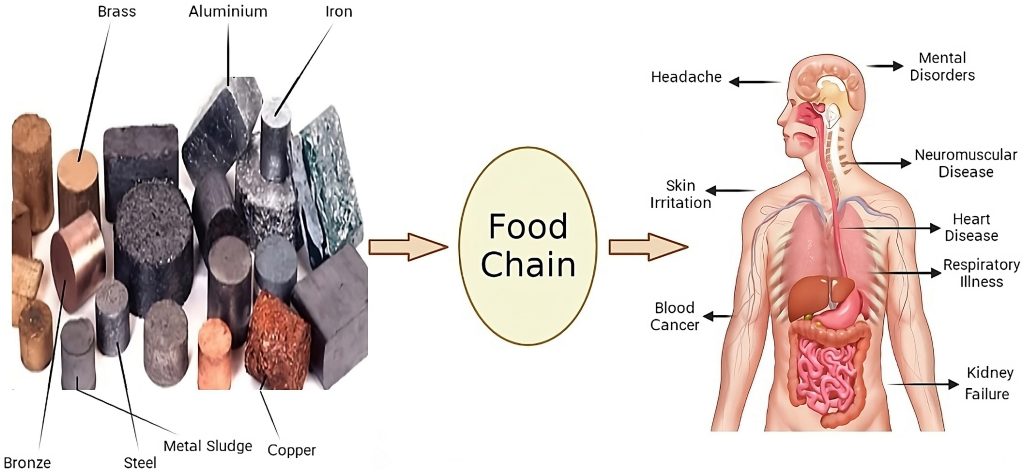
Causes
- Contaminated Soil or Water: Herbs grown in polluted environments absorb heavy metals.
- Improper Manufacturing Practices: Lack of regulation and oversight during production can introduce contaminants.
- Use of Traditional Preparations: Some traditional or folk remedies may intentionally include metals (e.g., in Ayurveda or Siddha).
- Counterfeit or Low-Quality Products: Online purchases and black-market products often bypass safety checks.
Commonly Contaminated Herbs
- Ayurvedic powders and pills
- Chinese herbal remedies
- Traditional African herbal concoctions
- Indigenous medicine powders
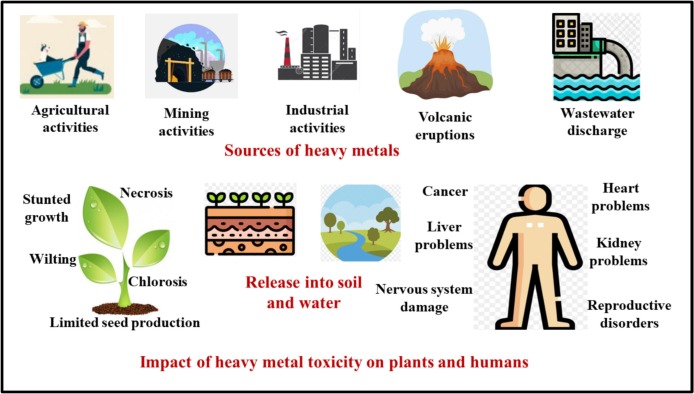
Symptoms of Heavy Metal Toxicity
Symptoms vary depending on the specific metal and level of exposure, but may include:
Lead
- Abdominal pain
- Fatigue
- Cognitive impairment
- Anemia
Mercury
- Tremors
- Memory issues
- Kidney dysfunction
- Vision or hearing problems
Arsenic
- Skin lesions
- Nausea and vomiting
- Neuropathy
- Increased cancer risk
Cadmium
- Bone pain
- Kidney damage
- Respiratory issues
- High blood pressure
Diagnosis
- Blood and Urine Tests: Measure metal levels in the body.
- Hair and Nail Analysis: Assess long-term exposure.
- Liver and Kidney Function Tests: Identify organ damage.
- Product Testing: If possible, the suspect supplement is tested in a lab.
Treatment
- Discontinuation: Immediate cessation of the contaminated supplement.
- Chelation Therapy: Administers agents (e.g., EDTA, DMSA) to bind and remove heavy metals.
- Supportive Care: Treatment for organ damage or symptoms.
- Monitoring: Regular follow-ups to assess recovery and prevent long-term damage.
Prevention
- Only use herbal products certified by national regulatory agencies (e.g., FDA, FSSAI, EMA).
- Avoid products that do not list ingredients or manufacturers.
- Be cautious with traditional or imported remedies without clinical backing.
- Consult healthcare providers before starting any supplement, especially for children, pregnant women, and those with chronic illness.
Public Health Concerns
- Lack of Global Regulation: Many countries lack proper oversight.
- Misleading Labels: Products may be marketed as “natural” or “safe” despite contamination.
- Cultural Beliefs: Strong trust in traditional medicine may prevent users from questioning safety.