


Overview
Epigenetic gene damage refers to harmful changes in gene expression caused by environmental factors—without altering the underlying DNA sequence. Exposure to air and soil pollution has emerged as a significant contributor to such epigenetic changes, potentially increasing the risk of various chronic diseases, developmental disorders, and even transgenerational effects.
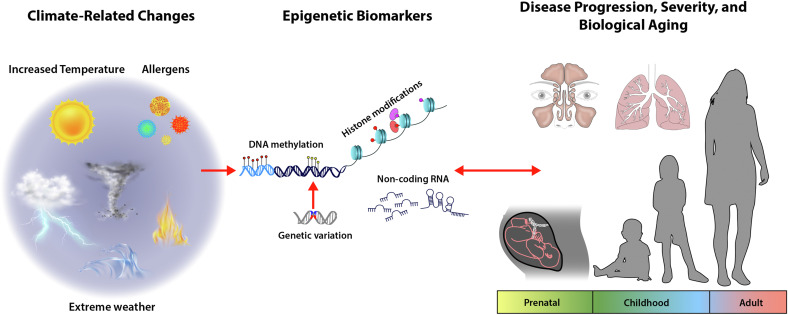
Causes
- Air Pollution: Inhalation of pollutants such as particulate matter (PM2.5, PM10), nitrogen dioxide, sulfur dioxide, ozone, and volatile organic compounds (VOCs).
- Soil Pollution: Contact with contaminated soil containing heavy metals (lead, arsenic, cadmium), pesticides, industrial chemicals, and petroleum by-products.
- Combined Exposure: Urban and industrial environments often expose individuals to both air and soil pollutants simultaneously.
Mechanism of Epigenetic Damage
Pollutants can trigger molecular changes that affect gene regulation through:
- DNA Methylation: Alters how genes are turned on or off.
- Histone Modification: Changes the structure of chromatin, influencing gene accessibility.
- Non-coding RNAs: Regulate gene expression without coding for proteins.
These modifications can lead to inappropriate activation or silencing of genes involved in immunity, growth, metabolism, and cancer suppression.

Health Impacts
- Respiratory Disorders: Asthma, chronic bronchitis, and lung cancer due to altered inflammatory gene expression.
- Cardiovascular Disease: Epigenetic changes in endothelial and vascular genes.
- Neurological Effects: Linked to developmental delays, neurodegenerative diseases, and autism spectrum disorders.
- Reproductive Issues: Infertility, miscarriage, and abnormal fetal development.
- Increased Cancer Risk: Disruption of tumor suppressor genes and DNA repair pathways.
- Transgenerational Effects: Epigenetic damage can potentially be inherited, affecting future generations.
Populations at Higher Risk
- Children and infants (especially in urban areas)
- Pregnant women
- Elderly individuals
- People living near industrial zones, mining areas, or heavily trafficked roads
Diagnosis
- Biomarker Testing: Evaluation of methylation patterns, histone alterations, or specific RNA profiles.
- Environmental Monitoring: Assessing individual exposure levels through air and soil testing.
- Health Screening: Monitoring for early signs of pollution-related diseases.
Treatment and Mitigation
- No Direct Reversal: Epigenetic changes are often stable, though some may be modifiable with lifestyle or medical interventions.
- Antioxidants and Nutrients: Diets rich in folate, B vitamins, and polyphenols may support DNA methylation repair.
- Environmental Detox: Reducing exposure to pollutants through air purifiers, clean soil practices, and relocation from high-risk zones.
- Medical Surveillance: Regular check-ups for early detection of pollution-related conditions.
Prevention
- Strengthening air and soil quality regulations.
- Promoting clean energy and sustainable agriculture.
- Urban planning to minimize residential exposure to pollutants.
- Educating the public about pollution sources and personal protective measures.
- Encouraging biomonitoring programs in vulnerable communities.