


Overview
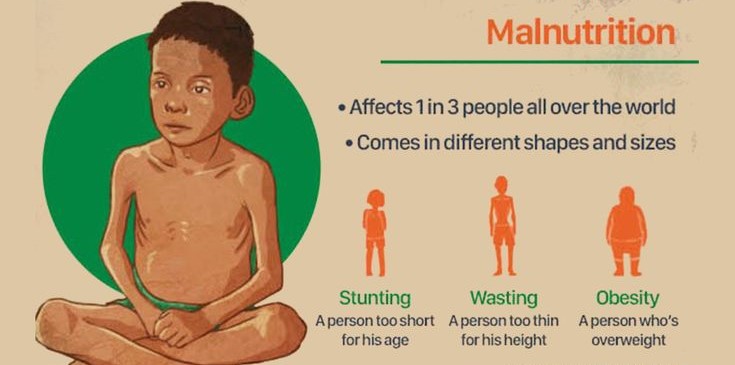
AI-curated diet malnutrition syndromes are emerging health issues resulting from over-reliance on artificial intelligence for personalized meal planning. While AI-based nutrition apps aim to optimize health, they may inadvertently promote unbalanced or overly restrictive eating patterns, leading to nutrient deficiencies, disordered eating, or metabolic imbalances.
Causes
- Algorithmic Bias or Inaccuracy: AI systems may generalize dietary needs or misinterpret user inputs.
- Over-Restriction: Apps may suggest calorie-cutting or elimination of food groups without medical oversight.
- Data Dependency: Users may prioritize AI advice over professional medical or dietetic consultation.
- Trend-Driven Recommendations: Some systems favor trendy diets (e.g., keto, fasting) without personalization.
Common Risk Groups
- Adolescents seeking weight loss or fitness goals
- Individuals with body image concerns
- Athletes and fitness enthusiasts using AI-driven trackers
- People with chronic health conditions relying on AI for symptom control
Symptoms of AI-Driven Malnutrition
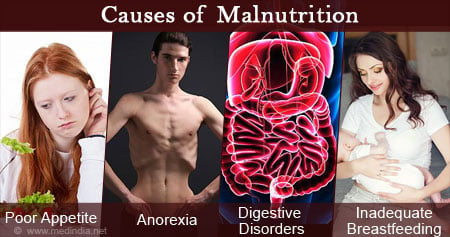
- Macronutrient Deficiencies: Fatigue, weakness, muscle loss
- Micronutrient Deficiencies:
- Iron – anemia, dizziness
- B12 – nerve damage, memory issues
- Calcium/Vitamin D – bone pain, fractures
- Electrolyte Imbalance: Dizziness, irregular heart rhythm
- Menstrual Irregularities: In females with very low-calorie or carb-deficient plans
- Psychological Effects: Anxiety around food, orthorexia (obsession with eating “clean”)
Diagnosis
- Clinical Evaluation: Assessing signs of nutrient deficiencies and weight loss
- Blood Tests: Check vitamin, mineral, and hormone levels
- Diet History Review: Analyze app-generated meal plans for imbalance
- Mental Health Screening: Identify disordered eating patterns
Treatment
- Nutritional Rehabilitation: Reintroduce essential macro- and micronutrients
- Medical Management: Treat anemia, bone loss, or metabolic complications
- Dietitian Supervision: Personalized, medically guided meal planning
- Psychological Counseling: For those with body image concerns or obsessive tracking behavior
Prevention
- Use AI apps with clinical oversight or those approved by dietitians
- Cross-verify AI plans with qualified health professionals
- Encourage critical thinking rather than passive reliance on AI advice
- Monitor children and teens using nutrition-tracking apps
Public Health Implications
- Widespread Use: Millions now depend on nutrition AI tools globally
- Misinformation Risk: Inaccurate recommendations may lead to population-level nutrient gaps
- Need for Regulation: Growing demand for standardized, evidence-based AI nutrition systems