


Overview
Transgender individuals undergoing hormone therapy often face significant health monitoring gaps, including inconsistent access to care, lack of standardized guidelines, and limited provider training. These gaps can lead to complications such as cardiovascular issues, bone density loss, or hormonal imbalances. The issue is especially pronounced in marginalized or rural communities with limited LGBTQ+-affirming healthcare resources.
Causes
- Inadequate healthcare provider training on transgender-specific needs
- Limited access to endocrinologists or gender-affirming clinics
- Financial and insurance barriers to routine lab monitoring
- Stigma or discrimination in healthcare settings
- Absence of universally accepted hormonal monitoring protocols
Symptoms
- Symptoms may vary depending on hormone type and imbalance:
- For estrogen: blood clots, breast tenderness, or mood swings
- For testosterone: acne, hair loss, or aggression
- Fatigue, anxiety, or mood disturbances
- Irregular menstrual cycles (in transmasculine individuals not on blockers)
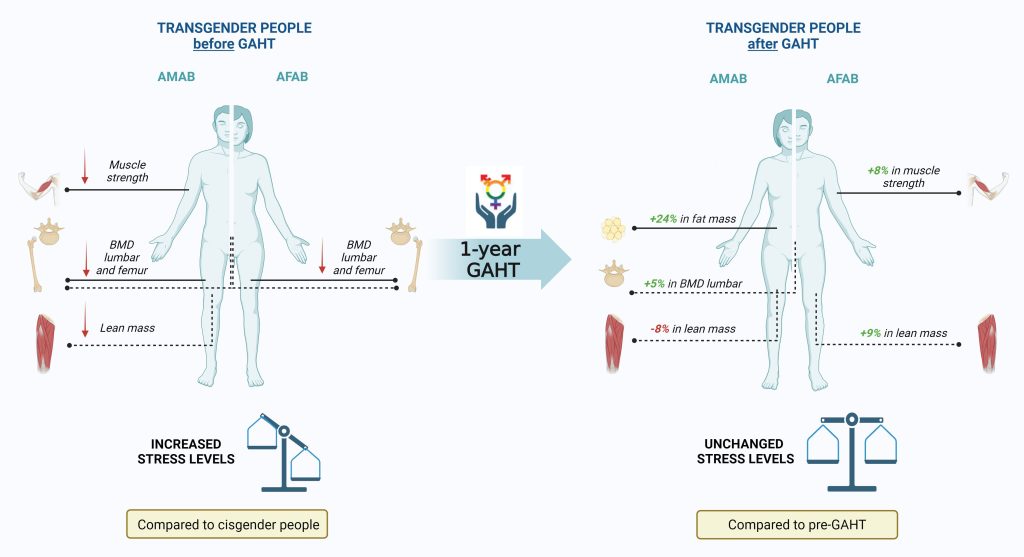
- Decreased bone density or muscle mass
Diagnosis
- Routine blood tests to monitor hormone levels (estradiol, testosterone)
- Liver function tests and lipid profiles
- Blood pressure and weight monitoring
- Bone density scans (especially if hormones are interrupted)
- Mental health evaluations
Treatment
- Regular follow-ups with endocrinologists or gender-affirming care providers
- Adjusting hormone dosages based on lab results and symptoms
- Supplemental care (e.g., calcium, vitamin D, antidepressants if needed)
- Coordination with mental health professionals
- Patient education on side effects and self-monitoring
Prognosis
- With proper hormonal monitoring, transgender individuals can maintain good physical and mental health
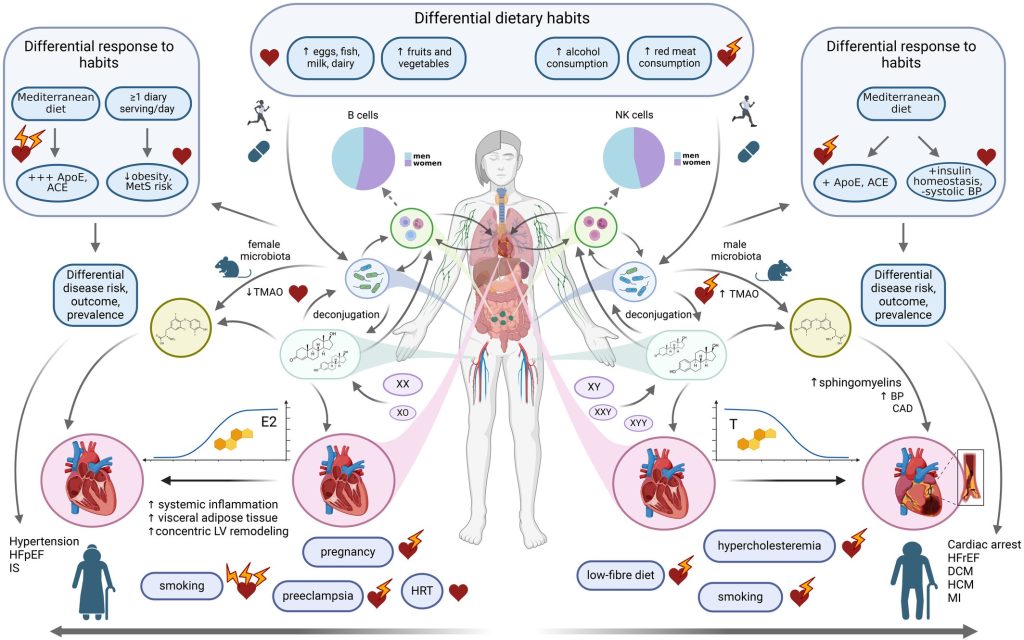
- Unmonitored therapy may lead to serious complications including heart disease, liver issues, and osteoporosis
- Long-term outcomes are greatly improved with accessible, affirming, and consistent care
Prevention & Control
- Increasing access to trained gender-affirming healthcare providers
- Establishing standard monitoring guidelines across regions
- Inclusive healthcare policies and insurance coverage for hormone therapy
- Community outreach programs for transgender health education
- Training for primary care providers in transgender health needs
Public Health Concern
The lack of consistent hormonal monitoring in transgender healthcare poses serious equity and safety challenges. Addressing these gaps is essential not only for individual well-being but also for broader public health systems aiming for inclusive, accessible care.