


Overview
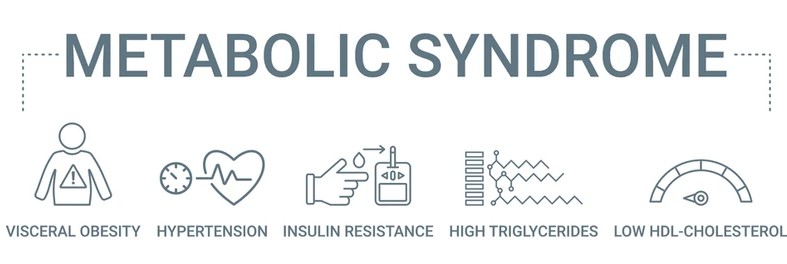
TOFI (Thin Outside, Fat Inside) refers to individuals who appear lean or have a normal body weight but have excess internal visceral fat around organs. This hidden fat can lead to metabolic syndrome—a cluster of conditions including insulin resistance, high blood pressure, abnormal cholesterol levels, and increased risk for type 2 diabetes and heart disease. TOFI individuals may go undiagnosed due to their outward appearance, making it a silent metabolic health risk.

Causes
- Genetic predisposition
- Sedentary lifestyle despite normal weight
- Poor diet high in refined sugars and trans fats
- Chronic stress and poor sleep habits
- Hormonal imbalances affecting fat distribution
- Low muscle mass, especially in physically inactive individuals
Symptoms
- Often asymptomatic in early stages
- Fatigue or low energy
- Mild hypertension or elevated fasting blood sugar
- Increased waist circumference despite normal BMI
- Abnormal cholesterol levels (high triglycerides, low HDL)
- Fatty liver or prediabetes indicators in lab reports
Diagnosis
- Blood tests for glucose, insulin, and lipid profiles
- DEXA scans or MRI to detect visceral fat levels
- Liver function tests to assess for fatty liver disease
- Waist-to-hip ratio and body composition analysis
- Comprehensive metabolic panel and hormone screening
Treatment
- Structured exercise programs including resistance and aerobic training
- Nutritional changes focusing on whole foods and low glycemic index carbs
- Managing stress and improving sleep quality
- Avoiding excessive alcohol and ultra-processed foods
- Medications to manage blood pressure, cholesterol, or insulin resistance if needed
- Routine monitoring of visceral fat and metabolic markers
Prognosis
- Early identification can prevent progression to type 2 diabetes or cardiovascular disease
- Lifestyle modification is highly effective in reversing TOFI-related risks
- Untreated TOFI may lead to chronic diseases despite normal BMI
- Long-term outlook improves significantly with active management
Prevention & Control
- Public education on the limitations of BMI as a sole health indicator
- Promoting regular metabolic health screenings regardless of body size
- Encouraging physical activity and healthy diet across all weight categories
- Incorporating body composition and fat distribution in routine health assessments
- Developing TOFI awareness campaigns among healthcare professionals
Public Health Concern
TOFI challenges traditional assumptions about obesity and health, highlighting that normal weight does not always equate to metabolic wellness. As sedentary lifestyles and poor diets become common, TOFI could become a widespread hidden risk, especially in urban populations. Addressing it requires a shift from weight-centric to health-centric screening and intervention strategies.