


Overview
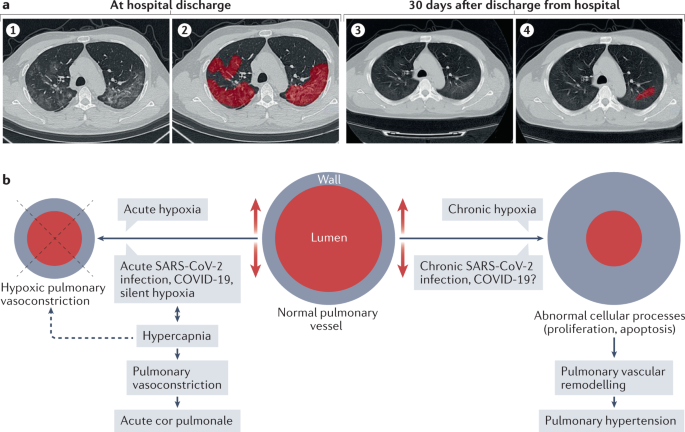
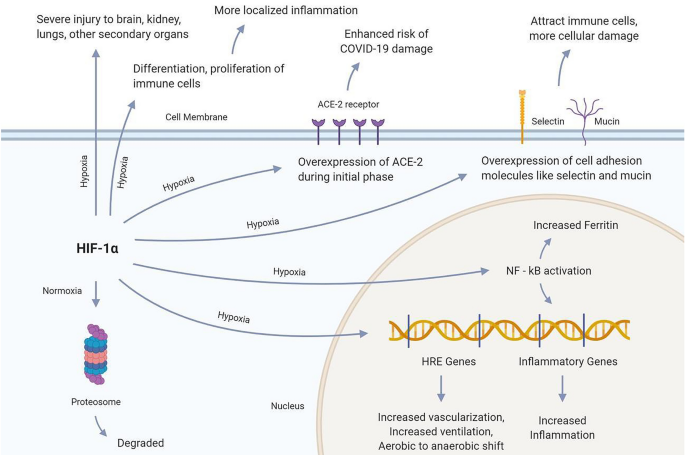
Silent hypoxia is a condition where oxygen levels in the blood drop dangerously low without the person feeling short of breath. It became widely recognized during the COVID-19 pandemic, where many patients appeared stable but had critically low oxygen saturation. This phenomenon can delay treatment and increase the risk of sudden deterioration in viral respiratory illnesses.
Causes
- Viral infections such as COVID-19, influenza, or SARS
- Impaired respiratory drive or nervous system response
- Inflammation or damage to lung tissues that disrupts oxygen exchange
- Microvascular clotting in lung vessels
- Age-related or chronic disease-related desensitization to low oxygen levels
Symptoms
- Often no obvious symptoms at first
- Subtle signs may include:
- Mild confusion or difficulty concentrating
- Bluish lips or fingertips
- Rapid heart rate or breathing
- General fatigue or weakness
- Later stages may present with breathlessness, chest pain, or fainting
Diagnosis
- Pulse oximetry to measure blood oxygen saturation (SpO₂)
- Arterial blood gas analysis for precise oxygen levels
- Chest imaging (X-ray, CT scan) to assess lung damage
- Monitoring in patients with viral illness even without respiratory complaints
Treatment
- Immediate supplemental oxygen therapy if SpO₂ is below safe thresholds
- Hospitalization for moderate to severe cases
- Use of anti-inflammatory, antiviral, or anticoagulant medications based on underlying viral cause
- Non-invasive ventilation or mechanical ventilation in critical cases
- Monitoring for complications like ARDS (acute respiratory distress syndrome)
Prognosis
- Prognosis depends on early detection and management
- If untreated, silent hypoxia can progress rapidly to respiratory failure
- With prompt care, many patients recover fully
- Long-term lung damage may occur in severe or delayed cases
Prevention & Control
- Regular oxygen monitoring in patients with viral respiratory infections
- Public education on using pulse oximeters at home, especially during outbreaks
- Training for healthcare providers to detect subtle signs
- Prioritizing care for high-risk populations (elderly, immunocompromised)
- Strengthening viral surveillance and hospital preparedness
Public Health Concern
Silent hypoxia poses a major diagnostic challenge and increases the burden on healthcare systems during viral outbreaks. Early detection through proactive screening and at-home monitoring can prevent avoidable fatalities and improve treatment outcomes in future pandemics or seasonal respiratory illnesses.