


Overview
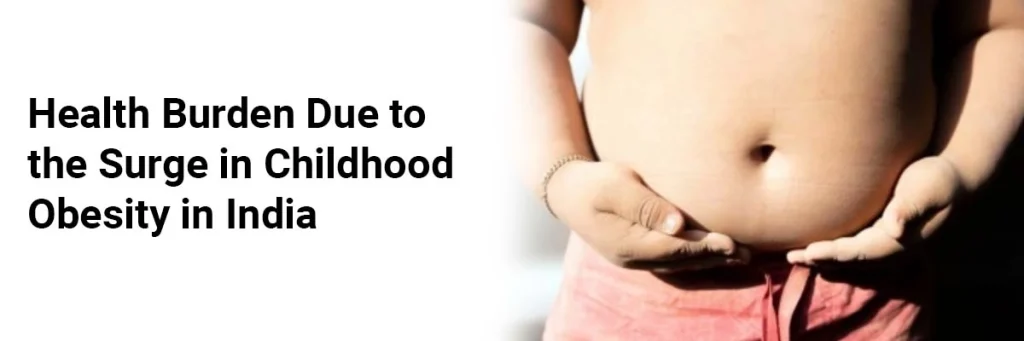
The COVID-19 pandemic and subsequent lockdowns led to a significant surge in childhood obesity across many countries. School closures, reduced outdoor activity, increased screen time, emotional stress, and altered eating habits contributed to rapid weight gain, especially in already vulnerable populations. While some younger children showed recovery post-lockdown, obesity in older children and adolescents has remained a persistent issue.
Causes
- Closure of schools and playgrounds limiting physical activity
- Increased screen time and sedentary behavior
- Greater access to high-calorie snacks at home
- Emotional eating linked to stress and anxiety
- Disrupted sleep patterns
- Lack of structured routines and exercise
Symptoms
- Rapid weight gain or BMI increase
- Fatigue or reduced stamina
- Shortness of breath on exertion
- Joint or back pain
- Signs of early puberty in some cases
- Low self-esteem or social withdrawal

Diagnosis
- BMI (Body Mass Index) calculation based on age and sex percentiles
- Growth chart analysis
- Blood pressure measurement
- Blood tests for glucose, cholesterol, and insulin resistance
- Evaluation of lifestyle and eating habits
Treatment
- Personalized diet and physical activity plan
- Family-based behavioral therapy
- Screen time and sleep routine regulation
- Psychological support if emotional factors are involved
- In rare cases, referral to pediatric endocrinologists or obesity specialists
Prognosis
- With early intervention and family support, many children can return to a healthy weight
- Untreated obesity can lead to long-term complications like type 2 diabetes, hypertension, liver disease, and depression
- Adolescents with persistent obesity are more likely to remain obese into adulthood
Prevention & Control
- Promoting healthy eating and regular physical activity at home and school
- Limiting sugary snacks and processed foods
- Re-establishing consistent routines for meals, exercise, and sleep
- Encouraging outdoor play and physical education
- Government policies supporting healthy school meals and physical activity
- Public health campaigns targeting childhood nutrition and screen use
Public Health Concern
Post-pandemic childhood obesity is a growing concern with long-term implications for public health systems. Without targeted intervention, this generation may face earlier onset of chronic diseases. Global efforts are needed to address lifestyle changes introduced during the pandemic and to prevent lasting health consequences.