


Overview
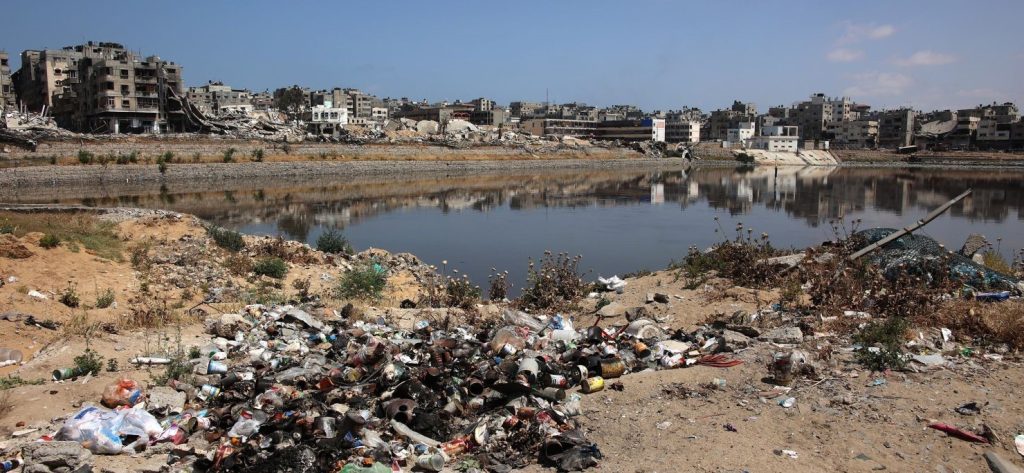
The detection of poliovirus in urban wastewater signifies a concerning resurgence of polio, especially in regions previously declared polio-free. Environmental surveillance has revealed that poliovirus can silently circulate among under-immunized populations, posing a threat of outbreaks. This resurgence is often linked to vaccine-derived poliovirus strains, particularly in communities with declining immunization coverage.
Causes
- Decline in routine childhood immunizations due to pandemic disruptions or vaccine hesitancy
- Use of oral polio vaccine (OPV), which contains live attenuated virus that can mutate
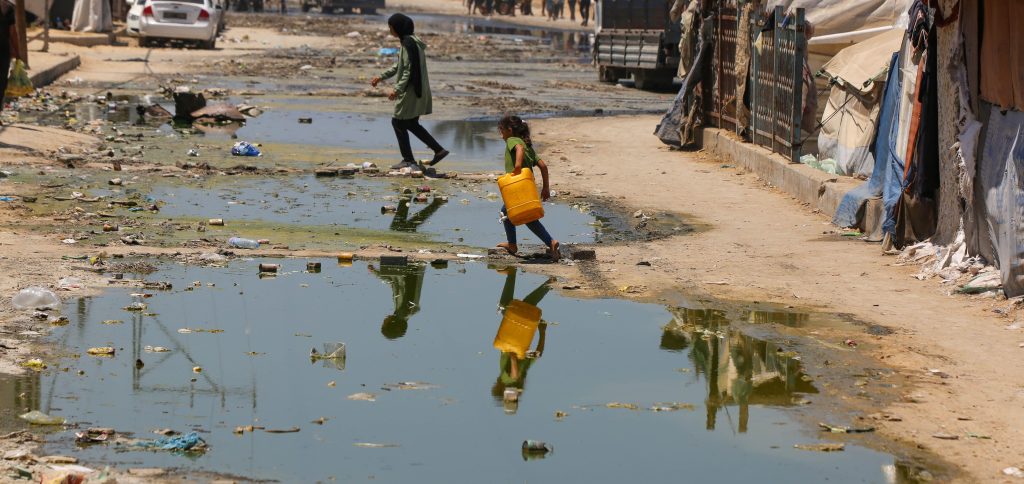
- Poor sanitation and crowded living conditions aiding fecal-oral transmission
- International travel introducing the virus to new regions
- Inadequate public health infrastructure for vaccine delivery and waste management
Symptoms
- Most infected individuals are asymptomatic
- Mild flu-like symptoms: fever, fatigue, headache, sore throat
- In some cases, gastrointestinal issues
- In rare instances, the virus invades the nervous system causing:
- Muscle weakness
- Paralysis (usually in the legs)
- Permanent disability or respiratory failure
Diagnosis
- Stool sample testing to detect poliovirus
- Environmental surveillance through wastewater sampling
- PCR tests for viral RNA
- Clinical assessment for neurological symptoms in suspected cases
- Epidemiological investigation to trace contacts and vaccination status
Treatment
- No cure for polio once infection occurs
- Supportive care: pain management, physical therapy, respiratory support
- Preventive focus through mass immunization campaigns
- Use of inactivated polio vaccine (IPV) in response to outbreaks
- Community-level containment measures to stop virus spread
Prognosis
- Most infections resolve without symptoms
- A small percentage develop paralytic polio, which can be permanent
- Early rehabilitation can improve outcomes in paralysis cases
- Widespread vaccination remains key to eradication
Prevention & Control
- Maintaining high vaccination coverage using IPV or updated OPV
- Strengthening routine immunization programs post-pandemic
- Expanding environmental surveillance for early detection
- Improving sanitation and hygiene infrastructure
- Educating communities on the importance of polio immunization
- Rapid response teams for localized outbreaks