


Overview
3D-printed food is an emerging technology that creates edible products using digital design and additive manufacturing. While this innovation offers benefits like customization and food sustainability, it also raises new concerns—particularly about unexpected allergen exposure. Allergic reactions may occur due to cross-contamination, mislabeling, or hidden ingredients during the 3D food printing process.
Causes
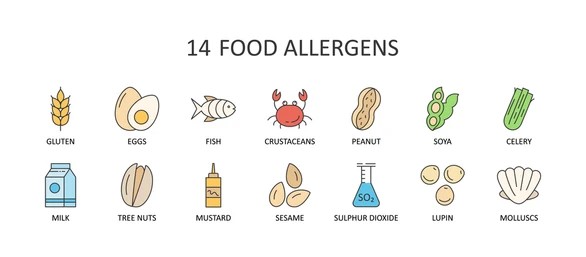
- Ingredient cross-contamination: Shared printing nozzles or cartridges may unintentionally transfer allergens like nuts, dairy, soy, or gluten.
- Unregulated ingredient sourcing: Some food printing materials may be untested or contain undeclared allergens, especially in homemade or small-scale 3D food setups.
- Software design errors: Digital recipes may accidentally include allergenic substances or fail to flag potential allergen combinations.
- Lack of labeling laws: Current food labeling regulations often don’t account for digitally printed food, leading to gaps in allergen disclosure.
- Human error in customization: User-created recipes might unintentionally include allergen-derived substances (e.g., whey protein or nut-based paste).
Common Allergic Reactions
- Skin rashes, itching, or hives
- Swelling of the lips, tongue, or throat
- Wheezing, coughing, or shortness of breath
- Gastrointestinal symptoms like nausea or vomiting
- Severe reactions such as anaphylaxis in highly sensitive individuals
Diagnosis
- Allergy testing (skin prick or blood test) to identify specific triggers
- Reviewing ingredient breakdown from the 3D printer software or source cartridges
- Investigating the environment where the food was printed, including cleaning protocols and prior material use

Treatment
- Immediate management of symptoms: Use of antihistamines for mild reactions or epinephrine (EpiPen) for anaphylaxis
- Medical emergency care: Anaphylactic reactions require urgent treatment
- Avoidance of risky environments: Sensitive individuals should avoid consuming 3D-printed foods unless allergens can be fully excluded and verified
- Better regulation and traceability: Encouraging transparency and standards in 3D food printing ingredients and processes
Prognosis
If treated quickly, most allergic reactions resolve without long-term consequences. However, repeated exposures to allergens—especially in environments lacking proper controls—can pose serious health risks.
Prevention Tips
- Use 3D printers that are allergen-specific or follow strict sanitation protocols
- Ensure ingredient cartridges are verified and properly labeled
- Request full disclosure of all components in 3D-printed meals, especially in restaurants or food expos
- Educate users and manufacturers about allergy-safe practices in digital food production