


Overview
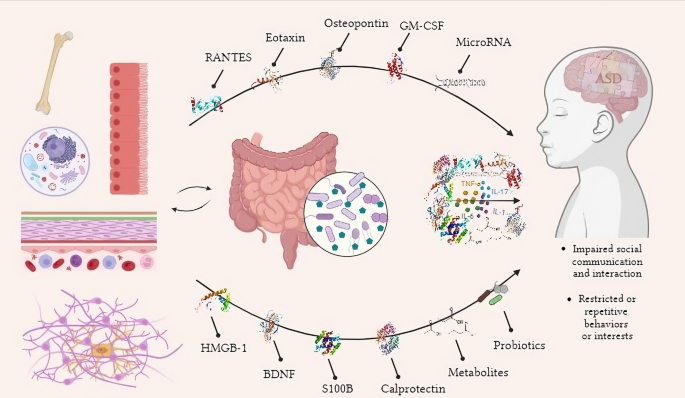
Emerging research suggests that exposure to certain environmental toxins may contribute to the development or worsening of autism-like symptoms, particularly during prenatal development and early childhood. While Autism Spectrum Disorder (ASD) is largely influenced by genetics, these toxins may act as environmental triggers that interfere with brain development and function.
Causes
Environmental toxins that have been associated with autism-like symptoms include:
- Heavy metals such as lead, mercury, and arsenic
- Air pollutants, including fine particulate matter (PM2.5), nitrogen dioxide, and ozone
- Pesticides, especially organophosphates and chlorpyrifos
- Endocrine-disrupting chemicals like phthalates, bisphenol A (BPA), and flame retardants
- Polychlorinated biphenyls (PCBs) and dioxins
- Prenatal exposure via maternal diet, air, or occupational contact
- Contaminated water or household dust
These substances may disrupt:
- Neural migration and synapse formation
- Neurotransmitter signaling (e.g., dopamine, serotonin)
- Thyroid hormone regulation essential for fetal brain development
- Immune responses, leading to neuroinflammation
Symptoms
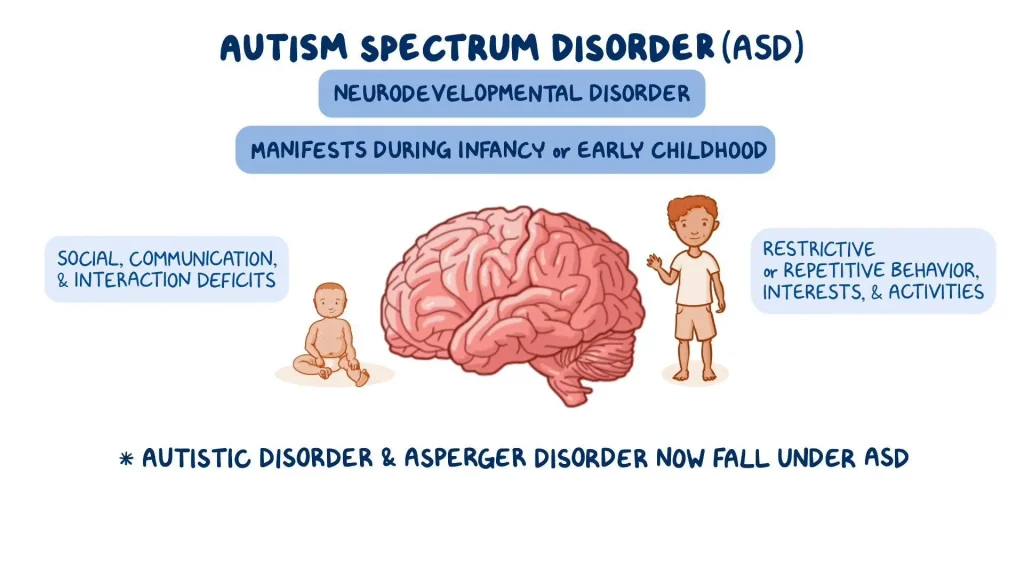
While environmental toxins alone do not directly cause autism, they may contribute to:
- Delayed speech and communication skills
- Reduced eye contact and social interaction
- Stereotyped or repetitive behaviors
- Sensory processing issues (e.g., sound or light sensitivity)
- Behavioral rigidity or extreme attachment to routines
- Difficulty in emotional regulation
Diagnosis
- Standard developmental screenings (e.g., M-CHAT-R/F for toddlers)
- Neuropsychological evaluations to assess cognitive and social development
- Environmental exposure history may be reviewed
- Lab tests for heavy metals or other suspected toxins, if indicated
Treatment and Intervention
- Early behavioral therapies, such as Applied Behavior Analysis (ABA)
- Speech and language therapy, occupational therapy, and social skills training
- Nutritional support, possibly including antioxidants or supplements (under medical guidance)
- Elimination or reduction of ongoing environmental exposures at home and school
- Detoxification programs are controversial and should be approached with caution and professional guidance
Prevention
- Avoid exposure to household chemicals, pesticides, and smoke during pregnancy
- Choose BPA-free, phthalate-free, and fragrance-free products
- Use air and water purifiers in high-pollution environments
- Eat a diet low in processed foods and high in antioxidant-rich fruits and vegetables
- Practice frequent handwashing and dust control to reduce household toxin accumulation
- Test older homes for lead-based paint and contaminated pipes
Public Health Impact
- Increasing developmental disorders have been observed in highly industrialized or polluted areas
- Calls for stricter regulation on environmental contaminants affecting pregnant women and young children
- Focus on clean air, water, and safer consumer products as a developmental health priority
- Researchers continue to investigate the cumulative effects of low-dose, chronic exposure to multiple toxins
Prognosis
Early recognition and intervention can improve language, social interaction, and behavioral outcomes. However, long-term neurodevelopmental challenges may persist depending on the extent and timing of exposure, as well as genetic vulnerability.