


Overview
Recent studies have found a potential link between urban air pollution—specifically nanoparticles from traffic, industrial activity, and construction—and an increased risk of developing Alzheimer’s disease and other neurodegenerative disorders. These microscopic particles can bypass the body’s defenses and reach the brain, triggering inflammation and oxidative stress that may contribute to cognitive decline.
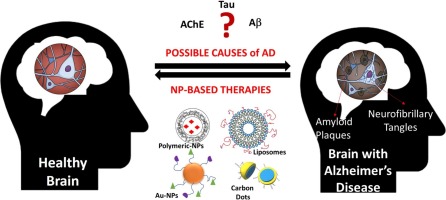
Causes
The main sources of brain-penetrating nanoparticles in urban environments include:
- Vehicle exhaust fumes (especially diesel)
- Industrial emissions
- Brake and tire wear
- Construction dust
- Combustion of fossil fuels
- Airborne metal particles like iron, titanium, and magnetite
Nanoparticles are defined as particles smaller than 100 nanometers, allowing them to:
- Enter the bloodstream through the lungs
- Cross the blood–brain barrier
- Accumulate in brain tissues, particularly in regions linked to memory and learning
Symptoms
Exposure to urban nanoparticles has been associated with early or accelerated signs of Alzheimer’s-like changes, including:
- Memory loss
- Confusion and disorientation
- Difficulty concentrating
- Mood changes (e.g., irritability, depression)
- Impaired judgment and reasoning
- Motor dysfunction in later stages
Diagnosis
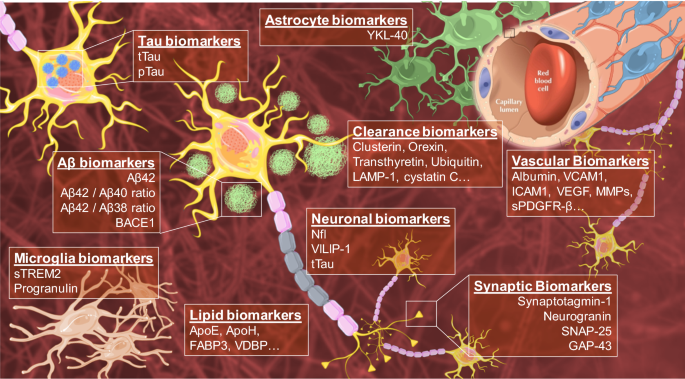
- Alzheimer’s is typically diagnosed through clinical evaluation, neuroimaging (MRI, PET scans), and cognitive testing
- Brain tissue studies have found abnormal accumulations of nanoparticle debris and beta-amyloid plaques in individuals from polluted cities
- No current diagnostic test can confirm nanoparticle exposure in the brain in living individuals, but exposure history and location are considered
Treatment
- There is no cure for Alzheimer’s disease
- Management focuses on slowing progression through:
- Cognitive therapy and stimulation
- Cholinesterase inhibitors and other medications
- Lifestyle changes (diet, exercise, social engagement)
- Reducing exposure to air pollution may help lower long-term risk
Prevention
- Use indoor air purifiers, especially HEPA filters
- Avoid high-traffic areas during peak pollution hours
- Support policies that reduce urban air pollution (e.g., clean energy, emission controls)
- Wear N95 masks in heavily polluted environments
- Consume a brain-healthy diet rich in antioxidants and anti-inflammatory foods (e.g., leafy greens, berries, omega-3s)
Public Health Impact
- Urban areas with high air pollution have shown higher rates of neurodegenerative diseases
- Early signs of Alzheimer’s-like damage have been observed in young people living in cities with poor air quality
- Scientists and policymakers are advocating for urgent air quality improvements to protect brain health at the population level
Prognosis
While Alzheimer’s linked to urban nanoparticle exposure cannot be reversed, early lifestyle interventions and cognitive support can improve quality of life and potentially slow cognitive decline. Reducing ongoing exposure is especially important in at-risk populations.