


Overview
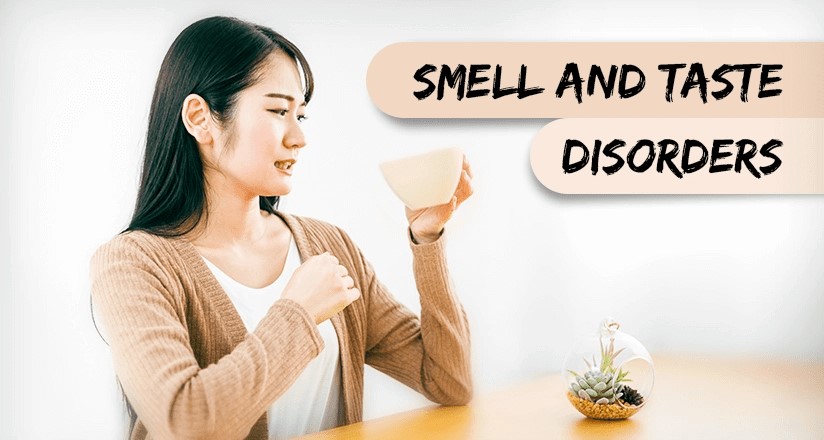
Parosmia is a smell disorder where familiar scents become distorted and often unpleasant, such as coffee smelling like burnt rubber or food smelling rotten. It frequently occurs after viral infections, especially respiratory illnesses like COVID-19, and is considered a form of post-viral smell disorder. Many patients experience parosmia during recovery from anosmia (loss of smell).
Causes
Parosmia is most commonly caused by:
- Viral infections (e.g., COVID-19, influenza, common cold) that damage the olfactory nerves
- Inflammation of the nasal passages or olfactory bulb
- Neural regeneration errors, where miswired nerves send incorrect smell signals
- Head trauma, neurological disorders, or exposure to toxins (less common)
COVID-19 has significantly increased cases of parosmia worldwide.
Symptoms
Typical signs of parosmia include:
- Distorted perception of common smells (e.g., food, perfume, cleaning products)
- Foul or burned smell sensations
- Nausea or reduced appetite due to unpleasant odors
- Emotional distress or anxiety related to altered sensory experiences
- May co-occur with phantosmia (perceiving smells that aren’t present)
Diagnosis
Diagnosis is clinical and based on:
- Patient history, especially recent viral illness
- Smell identification and threshold tests
- Exclusion of other causes (e.g., nasal polyps, neurological disorders)
- MRI or CT scans in persistent or unclear cases

Treatment
There is no guaranteed cure, but treatments focus on recovery and symptom relief:
- Olfactory training: Repeated sniffing of specific essential oils (e.g., rose, lemon, clove, eucalyptus) twice daily for several months
- Steroid nasal sprays or short courses of oral steroids (in selected cases)
- Zinc, omega-3 supplements, or vitamin A (with medical guidance)
- Avoidance of trigger foods and using bland or cold foods to minimize symptoms
- Mental health support if anxiety, depression, or eating issues occur
Prognosis
Many people recover from parosmia over time, particularly within 3–12 months after a viral illness. Recovery depends on the extent of nerve damage and individual factors. Persistent cases may require long-term olfactory training and specialist evaluation.