


Overview
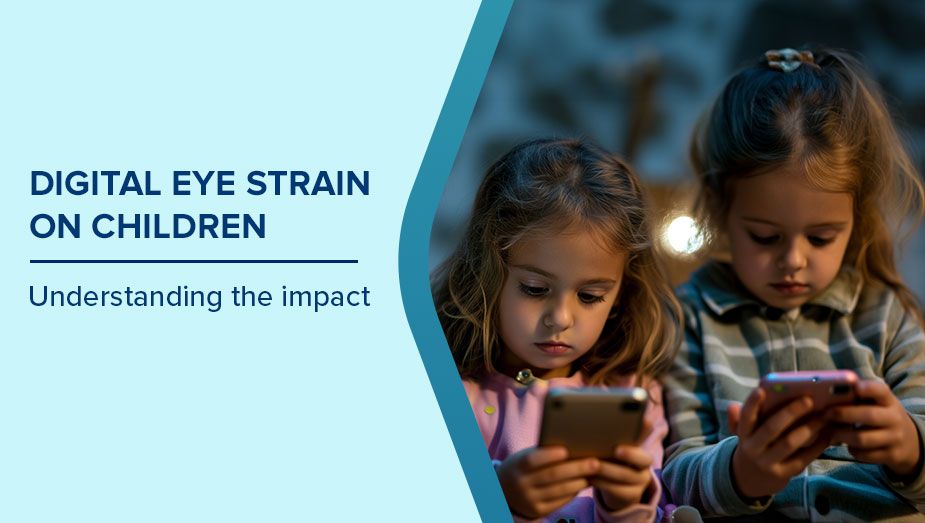
Digital Eye Syndrome, also known as Computer Vision Syndrome (CVS), refers to a group of eye and vision-related problems resulting from prolonged use of digital devices such as smartphones, tablets, computers, and televisions. With increased screen time among children—especially due to online learning and digital entertainment—this condition has become increasingly common.

Causes
Digital Eye Syndrome is caused by extended focus on digital screens, leading to eye strain and fatigue. Contributing factors include:
- Continuous near work on screens
- Poor lighting or glare
- Improper screen distance or angle
- Reduced blinking while staring at screens
- Use of screens before bedtime
Symptoms
Children with Digital Eye Syndrome may experience:
- Eye strain or fatigue
- Headaches
- Blurred or double vision
- Dry or watery eyes
- Redness and irritation
- Difficulty focusing
- Neck and shoulder pain
Some children may also show behavioral signs like irritability, decreased attention span, or avoidance of screen tasks.
Diagnosis
Diagnosis is primarily clinical and based on symptoms and history of screen usage. An eye examination may be conducted to:
- Check visual acuity
- Assess for refractive errors
- Evaluate eye coordination and focusing ability
- Measure tear film and blinking patterns
Treatment
Management focuses on reducing symptoms and modifying screen habits. Key strategies include:
- Following the 20-20-20 rule: Every 20 minutes, look at something 20 feet away for at least 20 seconds
- Limiting screen time, especially for non-educational purposes
- Adjusting screen brightness and contrast
- Using anti-glare filters or screen protectors
- Ensuring proper lighting and ergonomics
- Encouraging regular blinking
- Using lubricating eye drops if needed
Prevention
To help prevent Digital Eye Syndrome in children:
- Set screen time limits as per pediatric guidelines
- Encourage regular breaks from digital devices
- Promote outdoor play and activities
- Ensure correct posture and viewing distance (about 18–24 inches from the screen)
- Avoid screen use at least 1 hour before bedtime
Prognosis
Digital Eye Syndrome is generally reversible with proper management and lifestyle changes. If left unaddressed, however, it can lead to worsening vision, fatigue, and learning difficulties due to discomfort during screen tasks.
Awareness
Parents, teachers, and caregivers should be educated about healthy screen habits and monitor children’s screen usage closely to prevent long-term eye issues. Regular eye checkups are recommended for early detection and management.