


What Is the Synthetic Opioid Crisis?
The synthetic opioid crisis refers to a sharp increase in drug-related deaths and health emergencies caused by powerful, lab-made opioids. While fentanyl remains a major contributor, new synthetic compounds like xylazine and nitazenes are now spreading rapidly in illegal drug markets, worsening the overdose epidemic in many parts of the world, especially the United States.
What Are Xylazine and Nitazenes?
Xylazine is a veterinary tranquilizer not approved for human use. It is often mixed with fentanyl or heroin and causes prolonged sedation and dangerous skin ulcers.
Nitazenes are synthetic opioids far more potent than fentanyl and have been linked to a growing number of fatal overdoses due to their extreme potency and resistance to standard opioid reversal agents.
Causes
Contamination or intentional mixing of street drugs with xylazine or nitazenes
Lack of regulation and monitoring of illicit drug supply
Increased availability of cheap synthetic compounds via online markets
Polysubstance use, including opioids, benzodiazepines, and stimulants
Common Symptoms and Health Risks
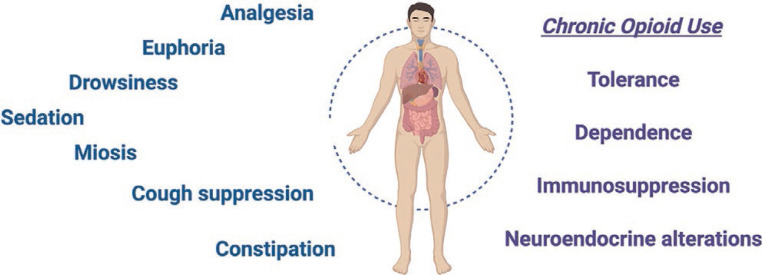
Extreme drowsiness or unconsciousness
Shallow or slow breathing
Low heart rate and blood pressure
Skin ulcers and tissue damage (especially with xylazine)
Coma or death from respiratory depression
Resistance to standard overdose reversal medications like naloxone (particularly with nitazenes)
Diagnosis
Clinical suspicion in overdose cases involving opioid-like symptoms but poor response to naloxone
Toxicology screening (advanced tests may be needed to detect nitazenes or xylazine)
Physical signs such as deep skin ulcers or sedation beyond normal opioid effect
Treatment
Administer naloxone immediately (even if not fully effective, it may help)
Provide respiratory and cardiovascular support
Hospitalization may be required in severe cases
Wound care and antibiotics for skin ulcers
Addiction treatment and mental health support post-recovery
Prognosis
High risk of death if not treated promptly, especially in rural or under-resourced areas
Repeat users may suffer from long-term organ damage, severe skin infections, and psychological dependence
Recovery is possible with medical intervention, rehabilitation, and harm-reduction strategies