


Overview:
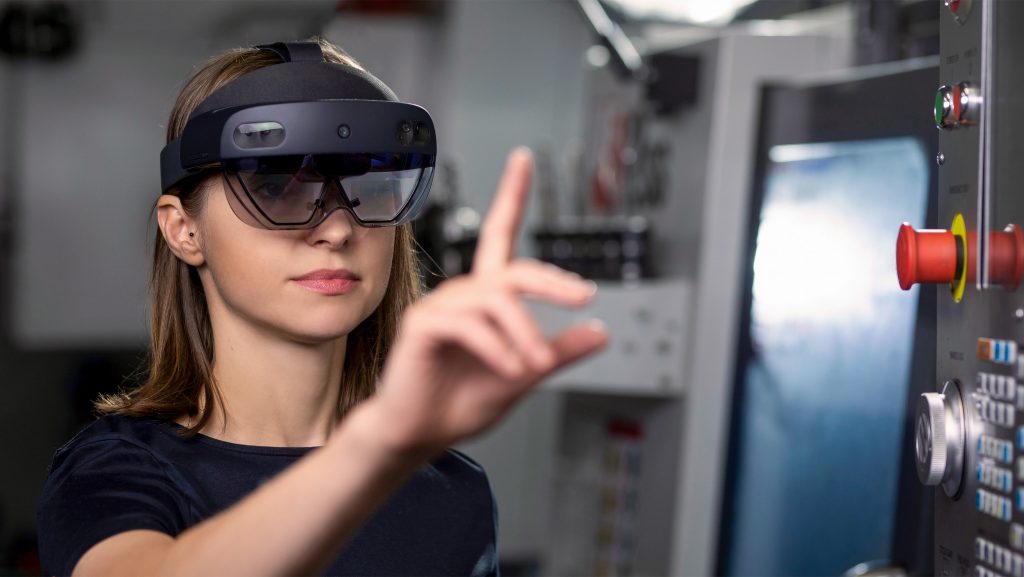
With the increasing use of virtual reality (VR) and augmented reality (AR) devices, many users experience vision-related issues. These problems can range from temporary eye strain to more persistent symptoms, especially with prolonged or improper use of headsets.
Causes:
- Prolonged screen time and near-focus strain
- Poor headset alignment or calibration
- Blue light exposure from screens
- Mismatched interpupillary distance (IPD)
- Low refresh rates causing motion lag
- Lack of visual breaks during extended sessions
Symptoms:
- Eye strain or fatigue (asthenopia)
- Blurry or double vision
- Dry or irritated eyes
- Headaches or migraines
- Difficulty refocusing after VR/AR use
- Nausea or dizziness (VR-induced motion sickness)
- Disorientation or visual aftereffects

Diagnosis:
- Eye examination by an optometrist or ophthalmologist
- Assessment of visual acuity and accommodation ability
- Evaluation of headset fit and user settings (IPD, brightness, etc.)
- History of symptoms in relation to device usage
Treatment and Prevention:
- Limit session duration and take regular breaks (e.g., 20-20-20 rule)
- Use well-calibrated devices with adjustable IPD and high refresh rates
- Ensure proper lighting and minimize glare during use
- Use artificial tears for dryness
- Blue light filters or VR-specific prescription lenses
- Adjust viewing angles and content settings for comfort
Prognosis:
Most vision problems from VR/AR use are temporary and resolve with reduced exposure or device adjustments. Persistent symptoms may require professional evaluation and custom visual support.