


Overview:
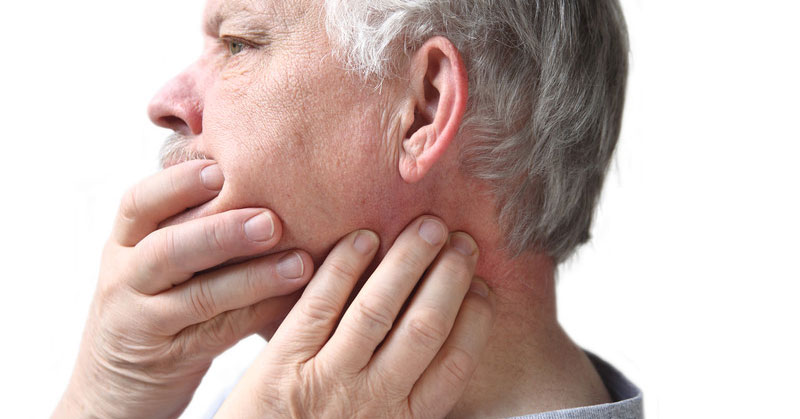
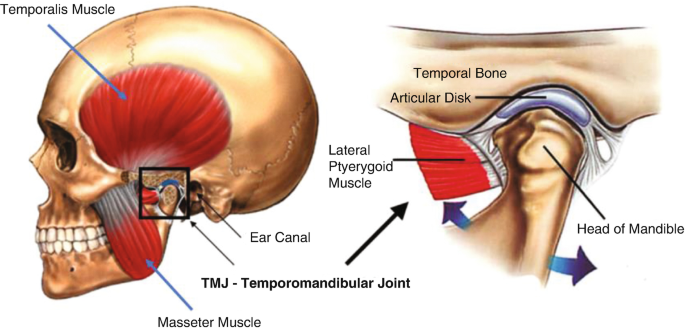
TMJ disorders refer to conditions affecting the temporomandibular joint (TMJ), which connects the jawbone to the skull. These disorders can cause jaw pain, difficulty chewing, and clicking or locking of the jaw. They may affect one or both sides of the face and can be temporary or chronic.
Causes:
- Jaw injury or trauma
- Arthritis (osteoarthritis or rheumatoid arthritis)
- Chronic teeth grinding or clenching (bruxism)
- Stress-related jaw tension
- Misalignment of teeth or jaw
- Connective tissue diseases affecting joint function
Symptoms:
- Pain or tenderness in the jaw or around the ear
- Difficulty opening or closing the mouth
- Clicking, popping, or grating sounds in the jaw joint
- Locking of the jaw in open or closed position
- Headaches or neck pain
- Facial swelling or discomfort while chewing
Diagnosis:
- Physical examination of jaw movement and tenderness
- Dental X-rays or panoramic radiographs
- MRI or CT scan for detailed joint imaging
- Assessment of dental bite and alignment
Treatment:
- Lifestyle modifications (soft diet, stress reduction, jaw exercises)
- Use of a mouthguard or splint to prevent teeth grinding
- Physical therapy and massage for jaw muscles
- Pain relievers, anti-inflammatory drugs, or muscle relaxants
- Corticosteroid injections into the joint (if needed)
- Surgery (rare cases) such as arthrocentesis or joint replacement
Prognosis:
Most people improve with conservative treatments and self-care. Chronic cases may require ongoing management to control symptoms and prevent complications.