


Overview:
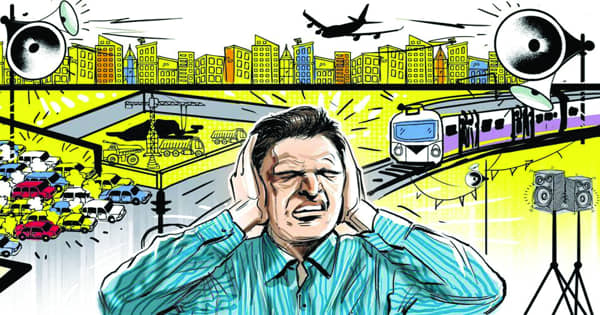
Noise pollution refers to harmful or excessive levels of environmental sound from traffic, construction, industrial activity, or urban living. Prolonged exposure to such noise can significantly affect mental and physical health, especially by triggering or worsening stress-related conditions.

Causes:
- Road and air traffic noise
- Industrial and construction sounds
- Loud music or entertainment venues
- Crowded urban environments
- Inadequate sound insulation in residential areas
Symptoms and Effects:
- Chronic stress and irritability
- Sleep disturbances and insomnia
- Increased heart rate and blood pressure
- Anxiety and depression
- Difficulty concentrating or focusing
- Headaches and fatigue
- Hearing issues or tinnitus in severe cases
Diagnosis:
- Based on clinical history and environmental exposure
- Stress assessments or psychological evaluations
- Sleep studies (for noise-related sleep issues)
- Hearing tests if auditory damage is suspected
Treatment and Management:
- Reducing exposure using earplugs, soundproofing, or white noise machines
- Lifestyle changes: relaxation techniques, mindfulness, and meditation
- Creating quiet zones at home or work
- Limiting nighttime exposure to environmental noise
- Counseling or therapy for stress and anxiety
- Medical treatment for related conditions (e.g., hypertension, insomnia)
Prognosis:
Reducing or eliminating noise exposure can significantly improve symptoms. Early intervention is key to preventing long-term health effects.