


Overview:
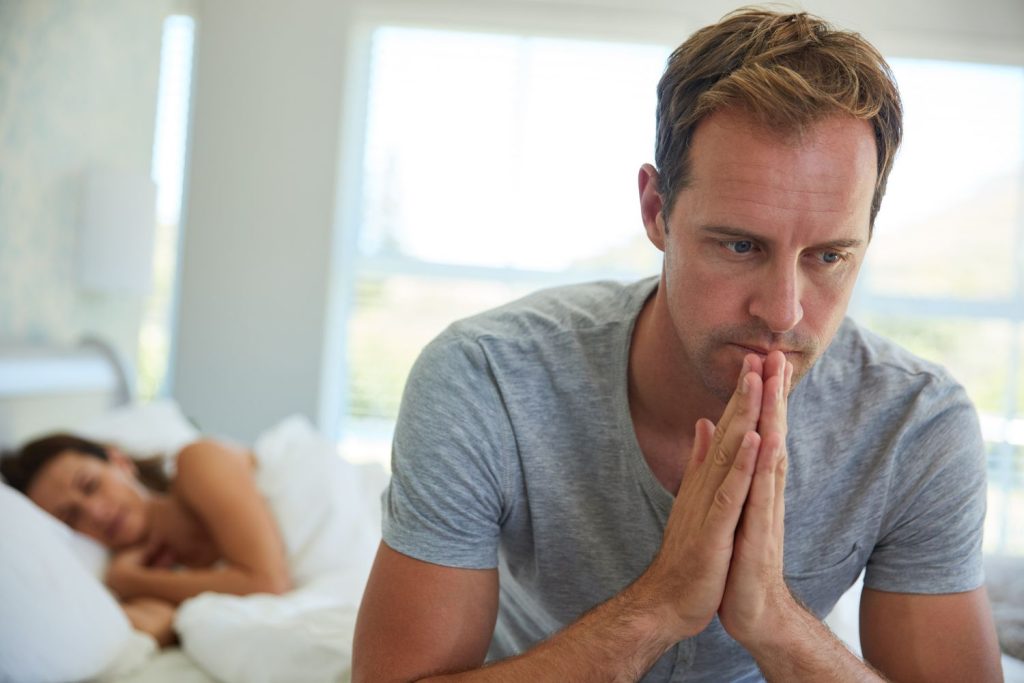
Stress-related erectile dysfunction (ED) refers to difficulty achieving or maintaining an erection due to psychological or emotional stress rather than a physical health issue. This is a common and often temporary form of ED, especially in younger men or during times of intense mental pressure.
Causes:
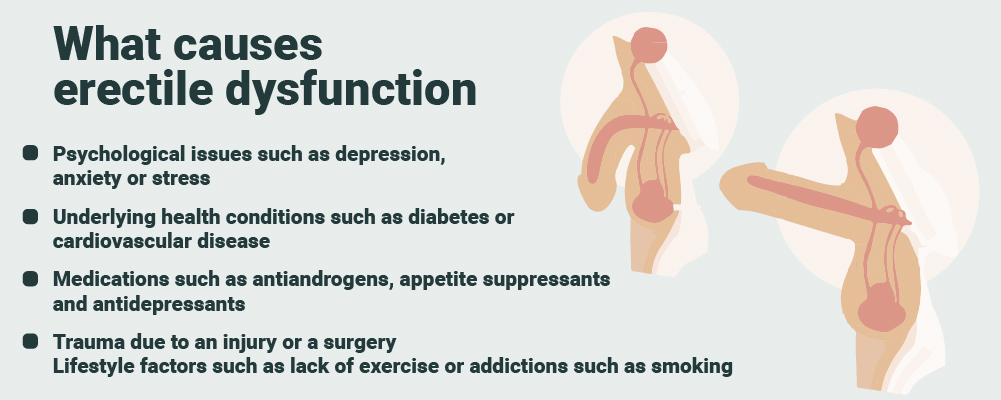
- Performance anxiety: Fear of not satisfying a partner or previous failed sexual experiences.
- Workplace or financial stress: Mental overload can reduce sexual desire and performance.
- Relationship issues: Lack of emotional connection, conflict, or communication problems.
- Mental health disorders: Anxiety disorders, depression, or PTSD can interfere with sexual function.
- Low self-esteem: Negative body image or fear of judgment.
- Lifestyle factors: Poor sleep, excessive alcohol, smoking, and lack of exercise may worsen stress and ED.
Symptoms:
- Inability to get or keep an erection during stressful situations
- Normal erections during sleep or masturbation (suggesting a psychological cause)
- Loss of sexual interest or confidence
- Avoidance of intimacy or fear of sexual activity
- Signs of stress: irritability, insomnia, fatigue, or mood swings
Diagnosis:
- Medical and sexual history: To determine emotional and lifestyle factors involved
- Physical exam and lab tests: To rule out underlying physical causes (e.g., diabetes, low testosterone)
- Psychological assessment: Evaluation for anxiety, depression, or stress-related disorders
- Nocturnal penile tumescence test: May be done to check for erections during sleep, helping differentiate between psychological and physical ED
Treatment:
- Stress management: Relaxation techniques, deep breathing, meditation, or yoga
- Psychotherapy or counseling: Cognitive-behavioral therapy (CBT) or sex therapy to address anxiety and self-confidence issues
- Couples therapy: To resolve emotional or relational barriers
- Lifestyle changes: Regular exercise, adequate sleep, reducing alcohol and tobacco use
- Temporary use of ED medications: Like sildenafil (Viagra) or tadalafil (Cialis), under a doctor’s supervision
- Mindfulness and communication: Enhancing emotional intimacy and reducing pressure during sexual activity
Prognosis:
Stress-related ED is typically reversible with proper emotional support, therapy, and lifestyle changes. Recovery often improves as stress is managed and confidence is rebuilt.