


Overview:
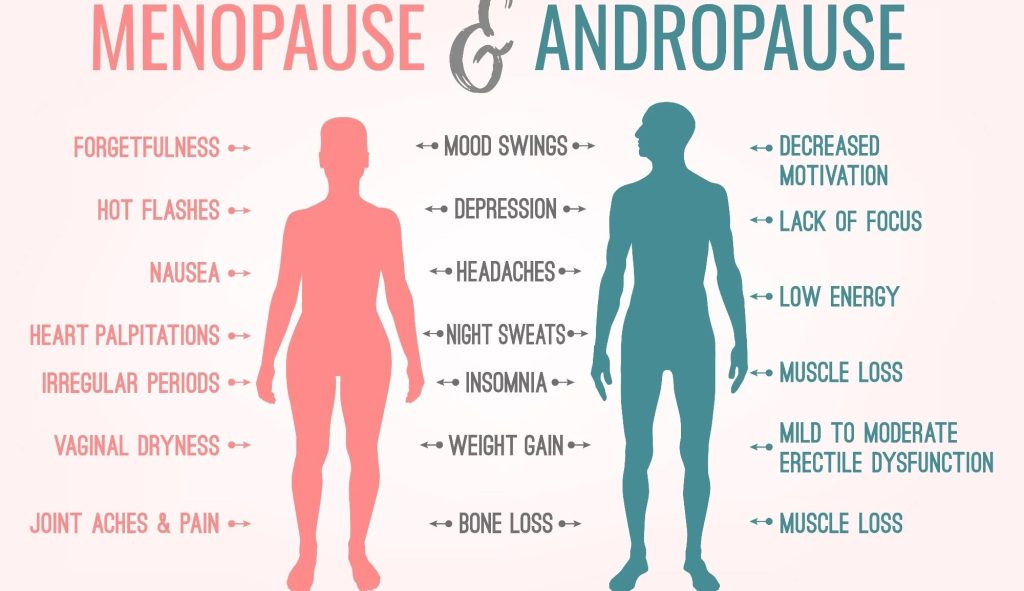
Andropause, often referred to as male menopause, is a gradual decline in testosterone levels in aging men, typically beginning after the age of 40. Unlike the abrupt hormonal shift seen in female menopause, andropause occurs slowly and may affect physical, emotional, and sexual health.
Causes:
- Age-related hormonal decline: Testosterone levels naturally decrease with age (about 1% per year after age 30–40).
- Chronic illness: Diabetes, obesity, and cardiovascular disease can accelerate testosterone decline.
- Medications: Long-term use of steroids, opioids, or certain psychiatric drugs.
- Stress and lifestyle factors: Poor sleep, sedentary behavior, alcohol abuse, and chronic stress.
- Hypogonadism: A medical condition where the body produces insufficient testosterone.
Symptoms:
- Fatigue and reduced energy levels
- Decreased libido and erectile dysfunction
- Mood changes, including irritability, depression, or anxiety
- Loss of muscle mass and increased body fat
- Difficulty concentrating or memory issues (“brain fog”)
- Osteoporosis or decreased bone density
- Sleep disturbances
- Decreased motivation and self-confidence

Diagnosis:
- Blood tests: Total and free testosterone levels, typically measured in the morning.
- Clinical evaluation: Assessment of symptoms and overall health history.
- Additional hormone tests: LH, FSH, and prolactin to rule out other endocrine issues.
- Screening for underlying causes: Such as thyroid disorders, sleep apnea, or metabolic syndrome.
Treatment:
- Lifestyle modifications: Healthy diet, regular exercise (especially strength training), stress reduction, and quality sleep.
- Testosterone replacement therapy (TRT): For men with confirmed low testosterone and significant symptoms. This may involve gels, patches, injections, or implants.
- Treatment of contributing conditions: Managing diabetes, sleep apnea, or depression.
- Counseling or therapy: For emotional and psychological support.
Prognosis:
With proper diagnosis and treatment, many men experience improved mood, energy, sexual function, and overall well-being. However, testosterone therapy must be carefully monitored to avoid potential risks like cardiovascular issues or prostate enlargement.