


What Is Quinine-Induced Thrombocytopenia?
Quinine-induced thrombocytopenia is a rare but potentially life-threatening condition where the immune system mistakenly attacks and destroys platelets in the blood after exposure to quinine. Quinine is a compound traditionally used to treat malaria and is also found in some beverages like tonic water. Even small amounts can trigger this immune response in sensitive individuals.
Causes?
The condition is typically immune-mediated. Upon exposure to quinine, the body may produce antibodies that bind to platelets, marking them for destruction. This immune response can lead to a rapid decrease in platelet count.
Symptoms?
Symptoms usually develop suddenly and may include:
- Easy or unexplained bruising
- Prolonged bleeding from cuts
- Spontaneous bleeding from gums or nose
- Blood in urine or stools
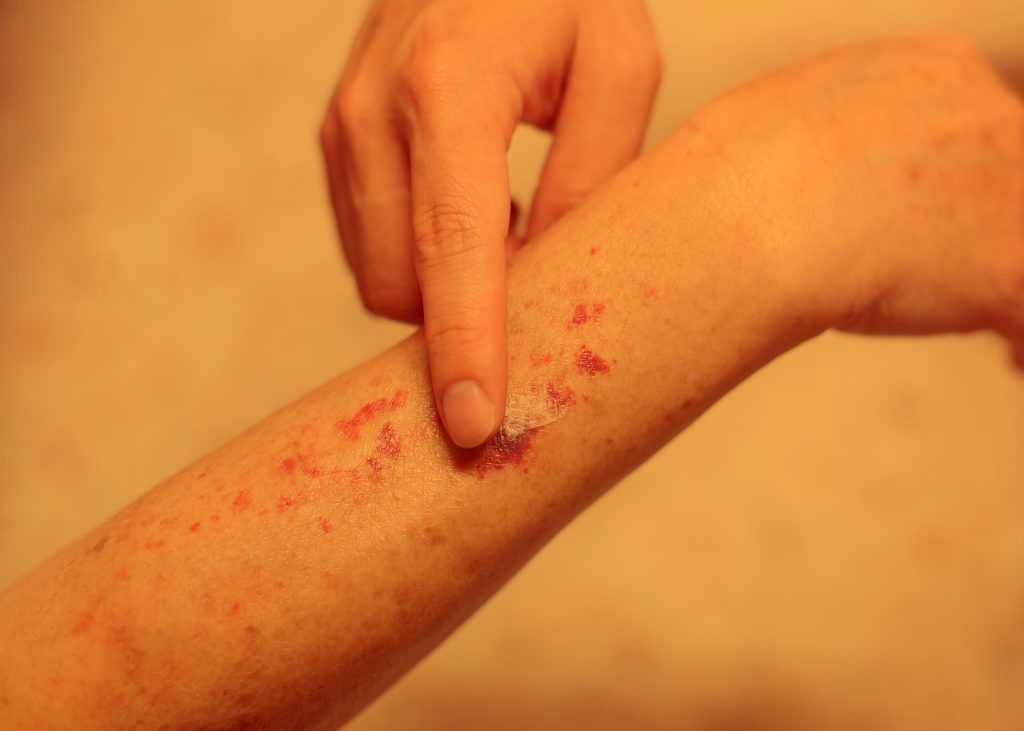
- Petechiae (small red or purple spots on the skin)
- Fatigue or weakness
- In severe cases, internal bleeding or bleeding in the brain.
Diagnosis?
Diagnosis involves:
- Reviewing the patient’s medication and dietary history for quinine exposure
- Complete blood count (CBC) to assess platelet levels
- Blood tests to detect anti-platelet antibodies
- Exclusion of other causes of thrombocytopeniaPMCThe JH
Treatment & Management?
Immediate steps include:
- Discontinuation of Quinine: Cease intake of quinine-containing substances, including medications and beverages.
- Medical Support: In cases of severe bleeding, hospitalization may be required.
- Medications: Corticosteroids or intravenous immunoglobulin (IVIG) may be administered to suppress the immune response.
- Platelet Transfusions: In cases of critically low platelet counts or active bleeding.
Most patients recover fully after stopping quinine, with platelet counts returning to normal within days to weeks.
Prevention?
To prevent recurrence:
- Avoid all quinine-containing products, including certain medications and tonic water.
- Inform healthcare providers of the quinine sensitivity to prevent inadvertent exposure.