


What is Periodontal Disease?
Periodontal disease, also known as gum disease, is an infection and inflammation of the gums and supporting structures of the teeth. It ranges from mild gum inflammation (gingivitis) to more severe forms that can damage the bone supporting the teeth (periodontitis).
What causes Periodontal Disease?
The main cause is poor oral hygiene leading to plaque buildup, which harbors bacteria that irritate and infect the gums. Risk factors include:
- Smoking or tobacco use
- Poor dental care habits
- Genetic susceptibility
- Diabetes
- Certain medications that reduce saliva flow
- Hormonal changes such as pregnancy or menopause
- Stress and poor nutrition
What are the symptoms of Periodontal Disease?
Symptoms include:
- Red, swollen, or tender gums
- Bleeding while brushing or flossing
- Persistent bad breath or bad taste in the mouth
- Receding gums or longer appearing teeth
- Formation of deep pockets between teeth and gums
- Loose or shifting teeth in advanced stages
How is Periodontal Disease diagnosed?
Diagnosis involves:
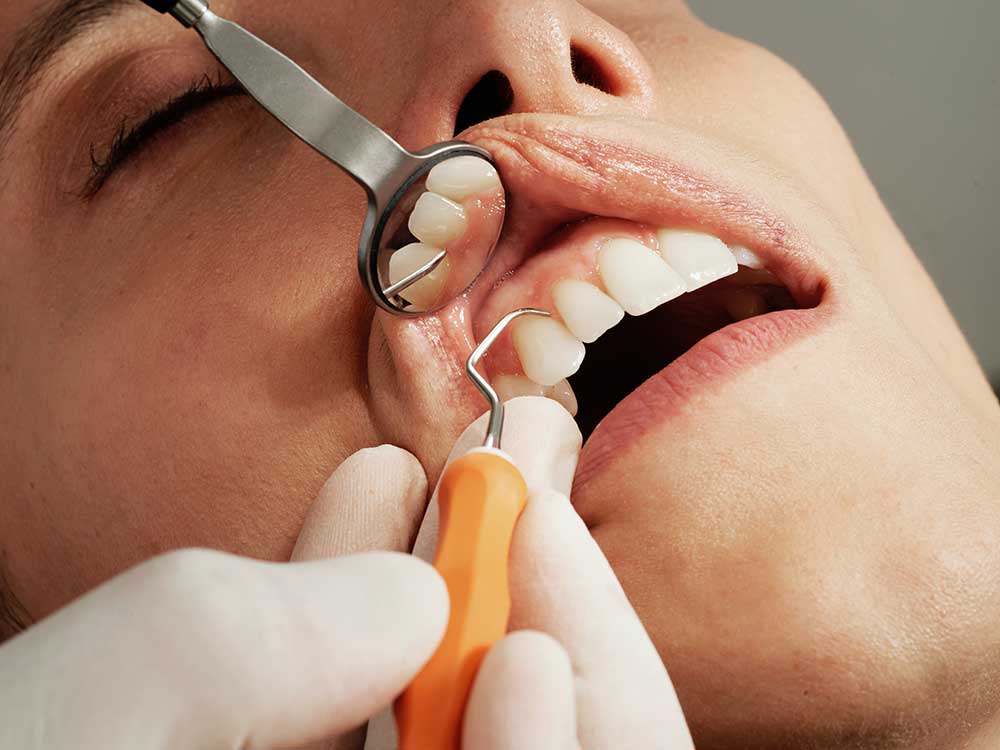
- Dental examination to check gum health
- Measuring the depth of gum pockets with a probe
- Dental X-rays to assess bone loss
- Medical and dental history review
How is Periodontal Disease treated?
Treatment aims to control infection and halt progression:
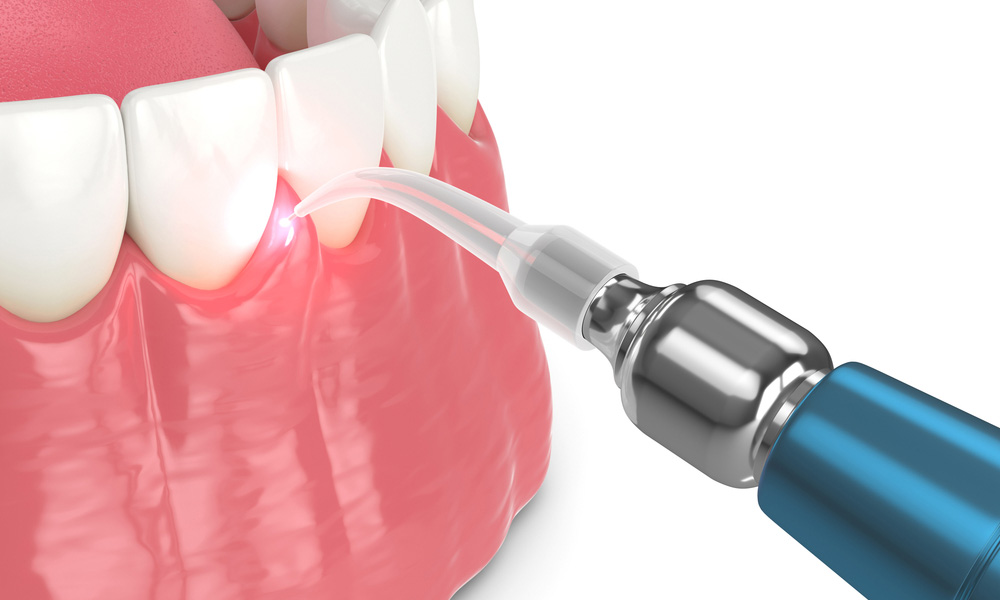
- Professional dental cleaning to remove plaque and tartar
- Scaling and root planing (deep cleaning below the gum line)
- Antibiotic therapy, either topical or oral, in some cases
- Improved oral hygiene practices at home
- Surgery in advanced cases to reduce pocket depth or regenerate bone and tissue
What is the prognosis for Periodontal Disease?
- Early-stage gum disease (gingivitis) is reversible with proper care
- Advanced periodontitis can lead to tooth loss if untreated
- Regular dental check-ups and good oral hygiene are essential to prevent recurrence
How can patients prevent Periodontal Disease?
- Brush teeth twice daily with fluoride toothpaste
- Floss daily to remove plaque between teeth
- Visit the dentist regularly for check-ups and cleanings
- Avoid tobacco products
- Maintain a healthy diet and manage underlying health conditions
- Reduce stress and maintain overall good health