


What is a Perforated Ulcer?
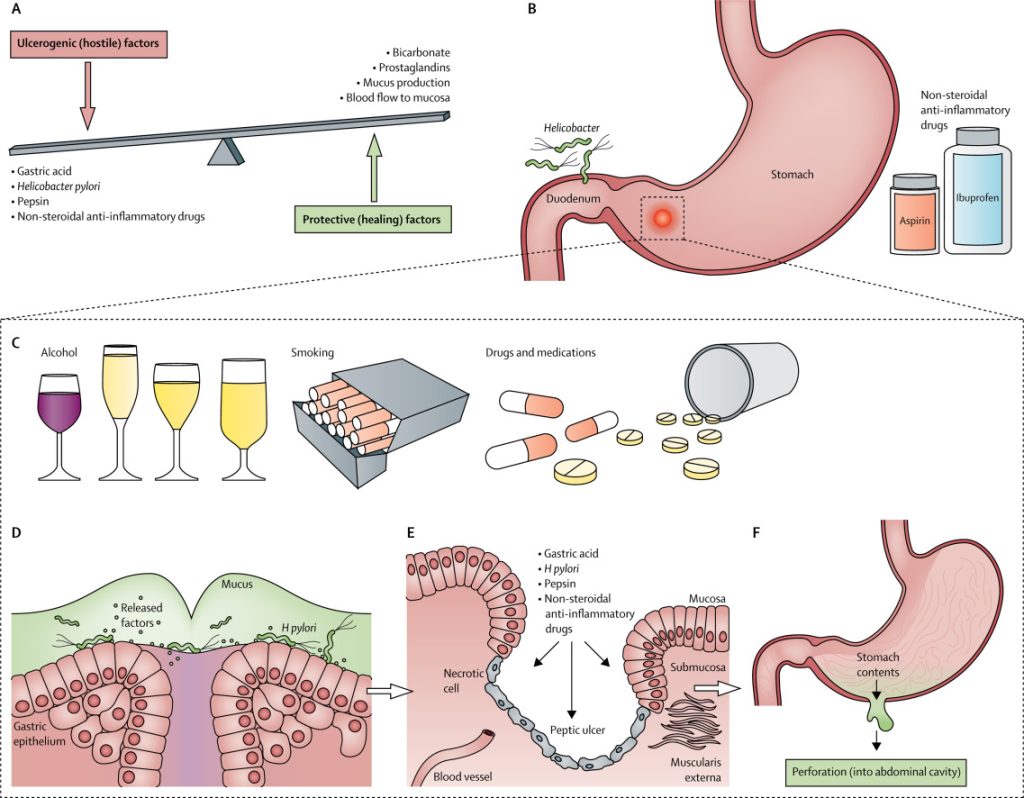
A perforated ulcer is a serious medical condition where an ulcer in the stomach or the first part of the small intestine (duodenum) creates a hole through the wall of the digestive tract. This allows digestive juices and food to leak into the abdominal cavity, causing severe infection.

Causes
What causes a Perforated Ulcer?
Perforation usually occurs as a complication of a peptic ulcer disease caused by:
- Infection with Helicobacter pylori bacteria
- Long-term use of nonsteroidal anti-inflammatory drugs (NSAIDs) like ibuprofen or aspirin
- Excess stomach acid production due to stress or other medical conditions
- Smoking and alcohol use
- Rarely, cancerous ulcers
Symptoms
What are the symptoms of a Perforated Ulcer?
- Sudden, severe abdominal pain, often starting in the upper abdomen and spreading
- Abdominal tenderness and rigidity (stiffness)
- Nausea and vomiting
- Fever and chills
- Rapid heartbeat and low blood pressure in severe cases
- Signs of shock if untreated
Diagnosis
How is a Perforated Ulcer diagnosed?
- Physical examination revealing a rigid, painful abdomen
- Blood tests showing infection or inflammation
- Imaging studies such as an abdominal X-ray or CT scan to detect free air in the abdomen indicating perforation
- Endoscopy may be used after initial stabilization to assess ulcer cause
Treatment
How is a Perforated Ulcer treated?
Perforated ulcers require emergency treatment:
- Hospitalization and stabilization with intravenous fluids and antibiotics
- Surgery to repair the hole and clean the abdominal cavity
- Medications to reduce stomach acid and treat H. pylori infection after surgery
- Pain management and monitoring for complications
Prognosis
What is the outlook for someone with a Perforated Ulcer?
With prompt treatment, many patients recover fully. Delayed treatment can lead to severe infection, sepsis, and even death. Long-term management is important to prevent recurrence.
Prevention
Can a Perforated Ulcer be prevented?
Preventive measures include:
- Early treatment of peptic ulcers
- Avoiding long-term or unnecessary use of NSAIDs
- Testing and treating H. pylori infection
- Avoiding smoking and excessive alcohol intake
- Managing stress and other risk factors
Support and Management
How can patients manage life after a Perforated Ulcer?
- Follow medical advice and complete the full course of medications
- Regular check-ups to monitor ulcer healing
- Lifestyle modifications including diet changes and avoiding irritants
- Seek support for any emotional or physical challenges during recovery
When should someone see a doctor?
If you experience sudden, severe abdominal pain or signs of infection, seek emergency medical care immediately.