


What is Laryngeal Cancer?
Laryngeal cancer is a type of cancer that begins in the tissues of the larynx (voice box), which is responsible for producing sound and protecting the airway. This cancer can occur in various parts of the larynx, including the glottis (the part with the vocal cords), supraglottis (above the vocal cords), or subglottis (below the vocal cords). It is most commonly diagnosed in people over 50 years old and is more common in men than women.
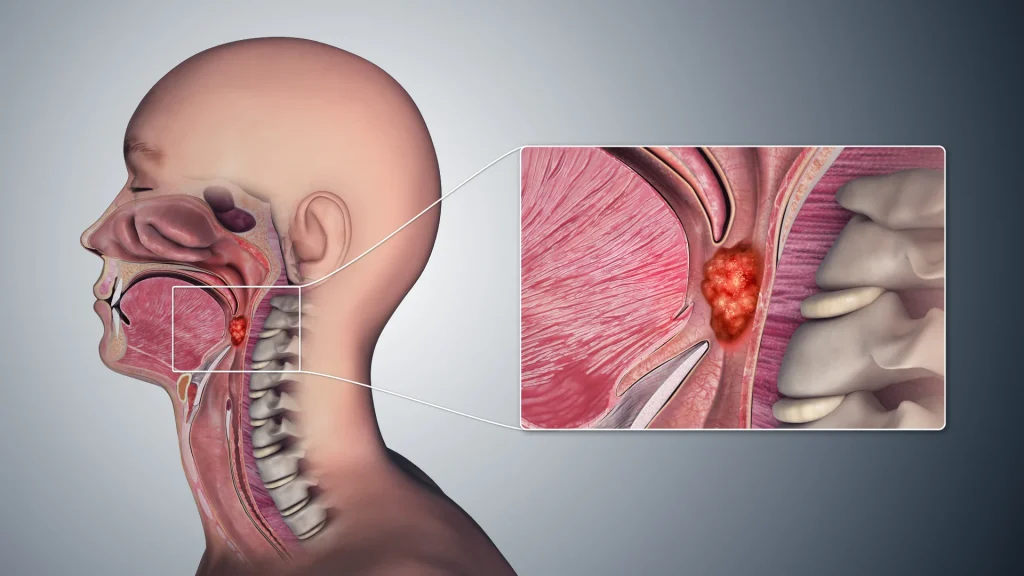
Types of Laryngeal Cancer?
Laryngeal cancer is typically categorized based on the part of the larynx where it originates:
- Glottic Cancer: The most common type, occurring in the vocal cords.
- Supraglottic Cancer: This type affects the area above the vocal cords, including the epiglottis, which helps prevent food from entering the windpipe.
- Subglottic Cancer: A rarer type that occurs below the vocal cords in the region where the trachea begins.
Causes of Laryngeal Cancer?
The exact cause of laryngeal cancer is not always known, but several factors are known to increase the risk, including:
- Tobacco use: Smoking or chewing tobacco is the leading cause of laryngeal cancer. The chemicals in tobacco damage the cells in the larynx and increase the risk of cancer.
- Excessive alcohol consumption: Heavy drinking, especially when combined with smoking, significantly increases the risk.
- Age: The risk increases with age, particularly for people over 50.
- Gender: Men are more likely to develop laryngeal cancer than women.
- Exposure to environmental toxins: Occupational exposure to substances such as asbestos, coal dust, or industrial chemicals may increase the risk.
- Human papillomavirus (HPV): In some cases, especially for supraglottic cancer, the human papillomavirus (HPV), which is linked to certain cancers, may play a role.
- Gastroesophageal reflux disease (GERD): Chronic acid reflux can irritate the larynx and increase the risk of cancer.
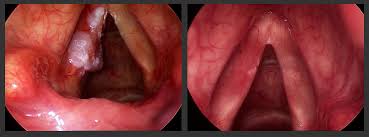
Symptoms of Laryngeal Cancer?
Symptoms of laryngeal cancer can vary based on the location of the tumor and the stage of the disease. Common symptoms include:
- Hoarseness or voice changes that do not improve over time.
- Sore throat that does not go away.
- Difficulty swallowing or feeling like food is stuck in the throat.
- Pain or a lump in the throat or neck.
- Persistent cough, often dry.
- Ear pain that is unexplained or persistent.
- Breathing difficulties or noisy breathing.
- Unexplained weight loss.
- Foul-smelling breath due to tumor infection or necrosis.
Diagnosis of Laryngeal Cancer?
Laryngeal cancer is typically diagnosed through a combination of medical history, physical examination, and several diagnostic tests:
- Laryngoscopy: A procedure where a doctor uses a flexible tube with a camera to examine the inside of the larynx and look for tumors.
- Biopsy: If a suspicious area is found, a tissue sample (biopsy) is taken to examine under a microscope for cancer cells.
- Imaging tests: These can include CT scans, MRIs, or PET scans to assess the size, location, and spread of the tumor.
- Endoscopy: In some cases, a more detailed examination of the airway may be needed to determine how far the cancer has spread.
Staging of Laryngeal Cancer?
Laryngeal cancer is staged based on the size of the tumor and how far it has spread:
- Stage 0: The cancer is confined to the lining of the larynx and has not spread.
- Stage I: The tumor is small and localized to the larynx.
- Stage II: The tumor may be larger or affect more areas within the larynx but has not spread to nearby lymph nodes.
- Stage III: The cancer has spread to nearby tissues or lymph nodes but not to distant organs.
- Stage IV: The cancer has spread to distant parts of the body, such as the lungs or bones.
Treatment and Management of Laryngeal Cancer?
Treatment for laryngeal cancer depends on the stage of the disease, the location of the tumor, and the patient’s overall health. Common treatments include:
- Surgery: Surgical options may include removal of the tumor, partial or total laryngectomy (removal of the larynx), or a neck dissection to remove lymph nodes if the cancer has spread.
- Radiation therapy: Often used in combination with surgery or as a standalone treatment for smaller tumors. It uses high-energy rays to destroy cancer cells.
- Chemotherapy: Drugs that target and kill cancer cells, usually used in advanced stages or when cancer has spread beyond the larynx.
- Targeted therapy: This treatment focuses on specific molecules involved in cancer growth, such as the epidermal growth factor receptor (EGFR).
- Immunotherapy: Drugs that help the body’s immune system recognize and destroy cancer cells are becoming an emerging treatment for advanced laryngeal cancer.
Possible Complications of Laryngeal Cancer?
Complications of laryngeal cancer can include:
- Voice changes or loss of voice: If the tumor affects the vocal cords or requires surgery to remove part of the larynx.
- Difficulty swallowing: This can occur after surgery or radiation, which may cause scarring or damage to the swallowing muscles.
- Breathing difficulties: The removal of the larynx may lead to permanent changes in how a person breathes, requiring the use of a tracheostomy.
- Emotional and psychological impact: Dealing with cancer treatment, changes in appearance, and potential loss of voice can lead to depression and anxiety.
Prevention of Laryngeal Cancer?
While not all cases of laryngeal cancer can be prevented, the following steps can reduce the risk:
- Avoid tobacco use: Smoking is the primary risk factor for laryngeal cancer, so quitting smoking or never smoking significantly reduces risk.
- Limit alcohol consumption: Excessive drinking, especially in combination with smoking, increases the risk of cancer.
- Maintain a healthy diet: A diet rich in fruits, vegetables, and antioxidants may help reduce cancer risk.
- Regular medical check-ups: If you have a history of smoking or excessive alcohol consumption, regular visits to your healthcare provider for early detection can improve outcomes.
When to See a Doctor?
It’s important to seek medical advice if you experience any of the following:
- Persistent hoarseness or voice changes that last more than two weeks.
- A lump in the neck or throat that does not go away.
- Difficulty swallowing or breathing.
- Unexplained weight loss or chronic cough.