


What is Juvenile-Onset Sarcoidosis?
Juvenile-Onset Sarcoidosis is a rare inflammatory disease that begins in childhood and causes tiny clumps of inflammatory cells (called granulomas) to form in different parts of the body. These granulomas most commonly affect the eyes, skin, lymph nodes, and lungs. The disease can vary in severity, from mild and self-limiting to chronic and more serious.
What Causes Juvenile-Onset Sarcoidosis?
The exact cause of juvenile sarcoidosis is not fully understood. However, it is believed to result from an abnormal immune system response, possibly triggered by:
- Genetic predisposition
- Environmental factors such as infections or exposure to certain substances
- Immune system malfunction, where the body attacks its own tissues
It is not contagious and cannot be passed from one person to another.
Who is Affected by Juvenile-Onset Sarcoidosis?
Juvenile sarcoidosis usually affects children under 16, and it’s even more rare in children under 5. Boys and girls can be affected equally, although the pattern and severity may differ by age.
There are two major types:
- Early-onset form (seen in children under 5 years old)
- Later-onset form (resembles adult sarcoidosis)
What Are the Symptoms of Juvenile-Onset Sarcoidosis?
Symptoms vary widely depending on which organs are affected. Common signs may include:
- Persistent fever
- Fatigue or weakness
- Swollen lymph nodes
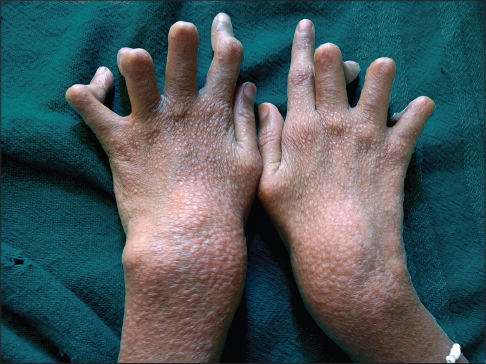
- Skin rash or nodules
- Eye inflammation (especially uveitis)
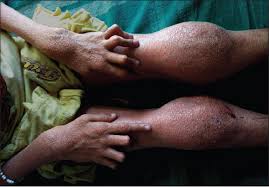
- Joint pain or swelling
- Shortness of breath or cough (if lungs are involved)
- Liver or spleen enlargement in some cases
In early-onset sarcoidosis, a classic triad of symptoms may be present:
- Rash
- Eye inflammation (uveitis)
- Arthritis or joint swelling
How is Juvenile-Onset Sarcoidosis Diagnosed?
Diagnosing juvenile sarcoidosis can be difficult due to its rarity and similarity to other diseases. Doctors may use:
- Medical history and physical examination
- Blood tests to check for inflammation and organ function
- Imaging (X-rays, CT scans, or MRIs) to view organs and lymph nodes
- Biopsy of affected tissue (like skin or lymph nodes) to detect granulomas
- Eye examination to check for inflammation
A diagnosis is confirmed when granulomas are found and other causes (like infections or autoimmune diseases) are ruled out.
How is Juvenile-Onset Sarcoidosis Treated?
Treatment depends on the severity and the organs involved. The goal is to reduce inflammation and prevent organ damage.
Common treatments include:
- Corticosteroids (e.g., prednisone) – first-line treatment to control inflammation
- Immunosuppressive drugs (e.g., methotrexate or azathioprine) – used for more serious or persistent disease
- Biologic agents – considered in severe cases not responding to standard treatment
- Eye drops or topical medications – for isolated skin or eye involvement
Treatment may continue for months or years depending on how the child responds.
How Can Life Be Managed with Juvenile-Onset Sarcoidosis?
Living with juvenile sarcoidosis requires ongoing care and support:
- Regular medical follow-ups with specialists (e.g., rheumatologists, ophthalmologists)
- Medication adherence and monitoring for side effects
- A healthy lifestyle including balanced nutrition, exercise, and plenty of rest
- Emotional support and mental health care, especially for children with chronic symptoms
With proper treatment and care, many children with juvenile sarcoidosis can lead active, healthy lives.
What Are the Possible Complications?
If left untreated or if the disease is aggressive, sarcoidosis can cause:
- Chronic eye damage leading to vision loss
- Lung scarring and breathing difficulties
- Joint deformities
- Growth delays
- Liver or heart problems (rare)
Early detection and treatment can prevent most complications.
When Should You See a Doctor?
Seek medical attention if your child has:
- Ongoing unexplained fever or fatigue
- Skin rashes that don’t go away
- Eye redness, pain, or vision changes
- Swollen joints or unexplained stiffness
- Persistent cough or trouble breathing
Early evaluation improves the chances of a good outcome.
What Should You Remember About Juvenile-Onset Sarcoidosis?
- It’s a rare inflammatory disease that can affect many parts of the body
- Early-onset cases often show a combination of rash, eye inflammation, and joint swelling
- Diagnosis may involve blood tests, imaging, and biopsy
- Treatment focuses on controlling inflammation and preventing organ damage
- With proper care, many children recover or manage their symptoms well
Where Can You Find More Information?
- Foundation for Sarcoidosis Research: stopsarcoidosis.org
- National Organization for Rare Disorders (NORD): rarediseases.org
- Local pediatric rheumatology centers or children’s hospitals