


What is Juvenile-Onset Parkinsonism?
Juvenile-Onset Parkinsonism is a rare neurological disorder that mimics the symptoms of Parkinson’s disease but appears before the age of 21. Unlike typical Parkinson’s, which affects older adults, juvenile-onset cases are much rarer and often have a genetic or secondary cause. This condition affects the brain’s ability to control movement due to problems in the dopamine-producing areas.
What causes Juvenile-Onset Parkinsonism?
Causes can be genetic, secondary, or idiopathic (unknown origin). Common factors include:
- Genetic mutations – such as in the PARK2 (parkin), PINK1, or DJ-1 genes
- Wilson’s disease – a disorder causing copper buildup in the body
- Neurodegenerative conditions
- Mitochondrial disorders
- Drug exposure or toxins – in rare cases
Family history of early-onset Parkinson’s increases the risk significantly.
What are the symptoms?
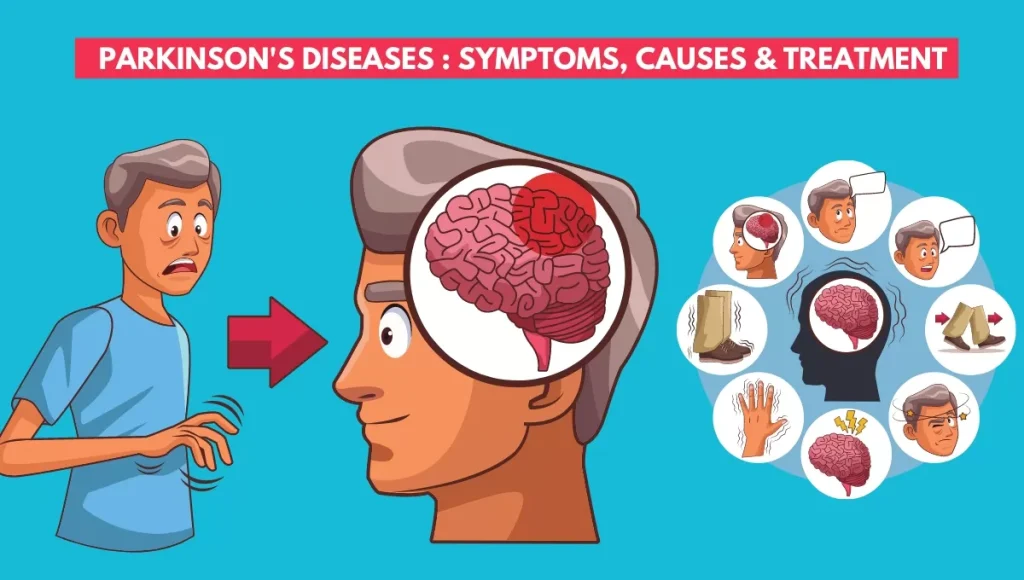
Symptoms are similar to adult Parkinson’s but may appear gradually and include:
- Tremors (shaking), especially at rest
- Muscle rigidity
- Slowness of movement (bradykinesia)
- Balance and coordination issues
- Stooped posture
- Shuffling walk
- Speech changes
- In some cases, psychiatric or cognitive symptoms can develop
The symptoms may remain stable for years or progress slowly, depending on the cause.
How is it diagnosed?
Diagnosis involves a combination of:
- Medical history and physical examination
- Neurological tests
- MRI or brain imaging – to rule out structural causes
- Genetic testing – especially if there is a family history
- Blood tests – to check for Wilson’s disease or other metabolic conditions
- Response to medications – such as levodopa, which often confirms the diagnosis
A neurologist typically manages diagnosis and treatment.
How is it treated?
While there is no cure, treatment focuses on managing symptoms and improving quality of life:
- Medications:
- Levodopa – commonly used and often effective
- Dopamine agonists
- MAO-B inhibitors
- Physical therapy – to maintain mobility and strength
- Speech therapy – if speech becomes affected
- Occupational therapy – to help with daily tasks
- Psychological support – for emotional and mental health challenges
In rare and severe cases, deep brain stimulation (DBS) may be considered.
What complications can occur?
Over time, complications may include:
- Motor fluctuations – “on-off” effect from medications
- Dyskinesias – involuntary movements from long-term drug use
- Depression or anxiety
- Difficulty with daily functioning
- Social or academic challenges, especially in younger patients
Close medical supervision helps manage and minimize these complications.
What is the outlook?
The outlook depends on the underlying cause. In many genetic cases, symptoms progress slowly, and with proper treatment, individuals can maintain a good quality of life. Early diagnosis and a multidisciplinary treatment plan are key to improving long-term outcomes.
When should I see a doctor?
Consult a doctor if a child or teenager shows:
- Persistent tremors or unusual movements
- Muscle stiffness or slowness in motion
- Coordination or balance problems
- Behavioral or mood changes without a clear cause
Early intervention offers the best chance for symptom control and life adjustment.