


What is Juvenile-Onset Neutropenia?
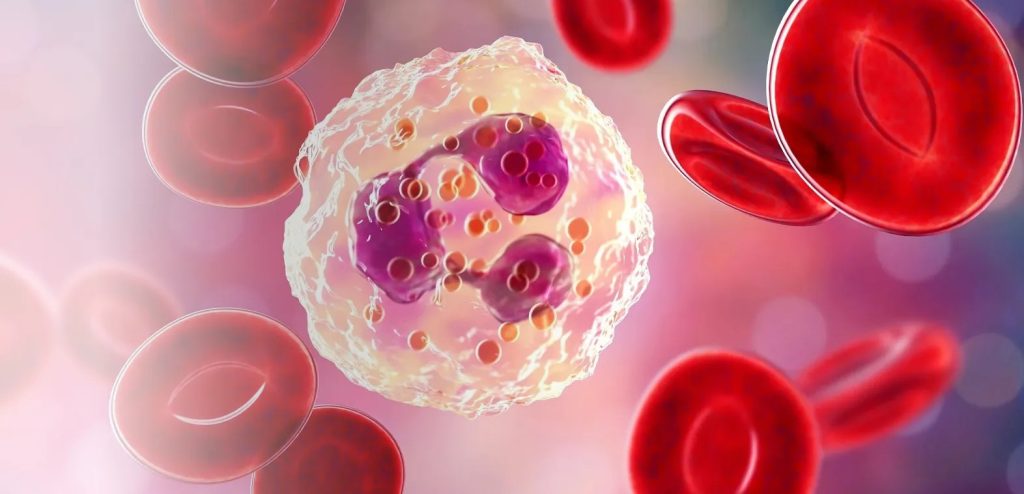
Juvenile-Onset Neutropenia is a condition where a child or adolescent has abnormally low levels of neutrophils, a type of white blood cell crucial for fighting infections. Without enough neutrophils, the body becomes more vulnerable to bacterial and fungal infections.
The condition can range from mild to severe and may be temporary or chronic, depending on the underlying cause.
What Causes Juvenile-Onset Neutropenia?
There are several types and causes of juvenile-onset neutropenia, including:
- Congenital neutropenia – present from birth due to genetic mutations (e.g., Kostmann syndrome)
- Autoimmune neutropenia – the body mistakenly attacks and destroys its own neutrophils
- Cyclic neutropenia – neutrophil levels drop and rise in cycles, often every 21 days
- Drug-induced neutropenia – caused by certain medications or treatments
- Infection-related neutropenia – occurs after viral infections like Epstein-Barr virus or influenza
- Bone marrow disorders – conditions like leukemia or aplastic anemia that affect blood cell production
How Common is Juvenile-Onset Neutropenia?
Juvenile-Onset Neutropenia is relatively rare, especially in its chronic or congenital forms. Autoimmune neutropenia is the most common type in young children, typically appearing between 6 months and 2 years of age.
What Are the Symptoms of Juvenile-Onset Neutropenia?
Symptoms are often related to frequent or severe infections, and may include:
- Recurring fevers
- Sore throat or mouth ulcers
- Skin infections or abscesses
- Ear infections, sinus infections, or pneumonia
- Slow wound healing
- Fatigue or general weakness
In autoimmune forms, many children have mild or no symptoms, despite low neutrophil counts.
How is Juvenile-Onset Neutropenia Diagnosed?
Diagnosis involves:
- Complete blood count (CBC) – to check neutrophil levels
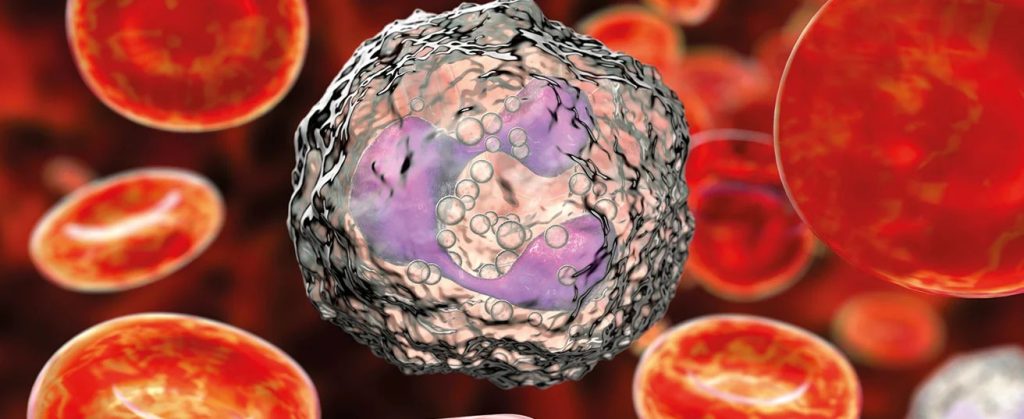
- Blood smear – to look at the shape and count of blood cells
- Bone marrow biopsy – may be needed for congenital or persistent cases
- Antibody tests – to detect autoimmune neutropenia
- Genetic testing – to identify congenital causes
Doctors also review medical and family history to rule out secondary causes like medications or infections.
How is Juvenile-Onset Neutropenia Treated?
Treatment depends on the severity and underlying cause:
- Observation only – for mild or autoimmune cases that often resolve on their own
- Antibiotics – to treat and prevent infections
- Granulocyte colony-stimulating factor (G-CSF) – a medication that boosts neutrophil production, especially in congenital or cyclic cases
- Discontinuation of offending drugs – in drug-induced cases
- Stem cell transplant – considered for severe congenital neutropenia with life-threatening infections or progression to leukemia
Children with neutropenia should be monitored regularly for infections and blood cell counts.
How Can Life Be Managed with Juvenile-Onset Neutropenia?
With proper care, children with neutropenia can lead active and healthy lives. Important steps include:
- Prompt treatment of any infections
- Good hygiene – including hand washing and dental care
- Avoiding crowded places or sick individuals during outbreaks
- Vaccination – especially against flu and pneumonia
- Regular check-ups with a pediatric hematologist
Parents should be educated on when to seek emergency care, especially for fevers.
What Are the Possible Complications?
If not well managed, neutropenia can lead to:
- Frequent, serious infections
- Hospitalizations for IV antibiotics
- Sepsis – a life-threatening infection in the bloodstream
- Delayed growth or development (in severe congenital cases)
- Progression to leukemia or other blood disorders
Early diagnosis and ongoing care can reduce the risk of complications.
When Should You See a Doctor?
A child should see a doctor if they have:
- Unusual frequency or severity of infections
- Fever without a clear cause
- Recurring mouth sores or skin abscesses
- Family history of blood or immune disorders
Routine blood tests may reveal neutropenia before serious symptoms appear.
What Should You Remember About Juvenile-Onset Neutropenia?
- It is a condition where white blood cell levels are too low, increasing infection risk
- It can be congenital, autoimmune, cyclic, or secondary to other causes
- Most autoimmune forms are mild and resolve with time
- Treatment focuses on infection prevention and supporting neutrophil production
- Children with neutropenia can live well with the right support and care
Where Can You Find More Information?
- National Organization for Rare Disorders (NORD): rarediseases.org
- Severe Chronic Neutropenia International Registry: scnir.ucsd.edu
- American Society of Hematology (ASH): hematology.org
- Cure4Kids: cure4kids.org