


What is Juvenile Glaucoma?
Juvenile Glaucoma is a rare eye condition that affects children, typically between the ages of 3 and early adulthood. It involves increased pressure within the eye (intraocular pressure) that can damage the optic nerve, leading to vision loss if not treated. Unlike congenital glaucoma, which appears in infancy, juvenile glaucoma develops later in childhood or adolescence.
It may occur on its own (primary) or as a result of another eye or systemic condition (secondary).
What causes Juvenile Glaucoma?
Causes of juvenile glaucoma vary and can include:
- Primary juvenile open-angle glaucoma – occurs without an identifiable cause but may be hereditary
- Secondary glaucoma – caused by conditions like uveitis, trauma, eye surgery, or steroid use
- Genetic mutations – especially in the MYOC gene, which may be inherited in an autosomal dominant pattern
Juvenile glaucoma is often familial, meaning it runs in families.
What are the symptoms?
In its early stages, juvenile glaucoma may not cause noticeable symptoms. As the disease progresses, signs and symptoms can include:
- Blurred vision
- Eye pain or pressure
- Headaches
- Sensitivity to light (photophobia)
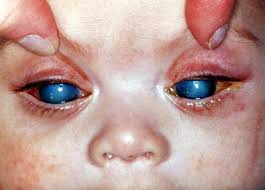
- Excessive tearing
- Redness of the eye
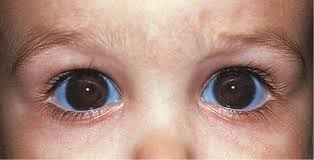
- Enlargement of the eye (buphthalmos) in younger children
- Halos around lights
- Reduced peripheral (side) vision
Because vision loss from glaucoma is irreversible, early detection is critical.
How is Juvenile Glaucoma diagnosed?
An ophthalmologist performs a comprehensive eye exam to diagnose juvenile glaucoma. This may include:
- Measuring intraocular pressure (tonometry)
- Gonioscopy – to assess the drainage angle in the eye
- Ophthalmoscopy – to view the optic nerve for damage
- Visual field testing – to check for peripheral vision loss
- Optical coherence tomography (OCT) – to evaluate the optic nerve structure
- Corneal diameter measurement and axial length assessment in children
Family history and genetics may also be considered.
How is Juvenile Glaucoma treated?
The goal of treatment is to lower intraocular pressure to prevent further damage to the optic nerve. Treatment options include:
- Medications – such as eye drops to reduce eye pressure
- Laser therapy – like laser trabeculoplasty to improve fluid drainage
- Surgery – often needed in children; procedures may include:
- Trabeculectomy
- Goniotomy
- Drainage implants
Children with juvenile glaucoma require lifelong follow-up with an eye specialist to monitor pressure and vision.
What is the outlook for children with Juvenile Glaucoma?
With early diagnosis and consistent treatment, many children with juvenile glaucoma can preserve useful vision throughout their lives. However, untreated or poorly controlled glaucoma can lead to progressive and permanent vision loss, including blindness.
Education and support are important, especially for older children managing eye drops and follow-up visits.
Key facts to remember
- Juvenile Glaucoma is a rare but serious eye disease that increases eye pressure
- It usually appears between ages 3 and early adulthood
- Symptoms include blurred vision, eye pain, and vision loss
- Diagnosis involves eye pressure tests and optic nerve evaluation
- Treatment may include medications, laser, or surgery
- Early intervention can help preserve vision and quality of life