


What Is Infectious Colitis?
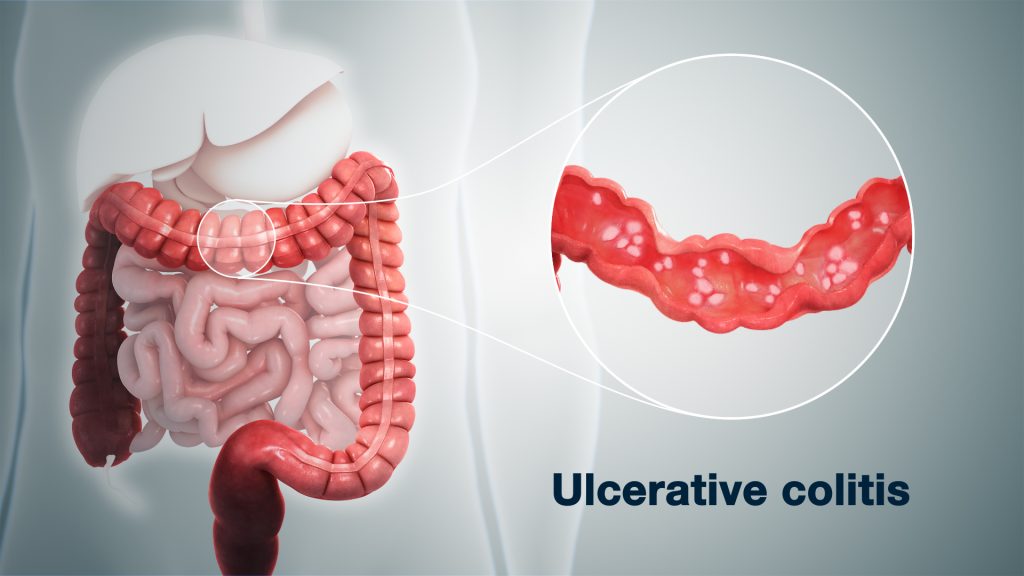
Infectious colitis is an inflammation of the colon (large intestine) caused by a bacterial, viral, or parasitic infection. It often leads to diarrhea, abdominal pain, and other digestive symptoms. This condition can range from mild to severe and is usually acute (short-term), but in some cases, it can be life-threatening, especially in vulnerable individuals.
What Causes Infectious Colitis?
The inflammation is triggered by infectious organisms entering the digestive tract, typically through:
- Contaminated food or water
- Poor hygiene
- Close contact with an infected person
- Travel to areas with poor sanitation
Common infectious agents include:
- Bacteria:
- Escherichia coli (E. coli)
- Salmonella
- Shigella
- Campylobacter
- Clostridioides difficile (C. diff) – often after antibiotic use
- Viruses:
- Norovirus
- Rotavirus
- Adenovirus
- Parasites:
- Giardia lamblia
- Entamoeba histolytica
What Are the Symptoms of Infectious Colitis?
Symptoms can vary based on the cause but commonly include:
- Watery or bloody diarrhea
- Abdominal cramps or pain
- Fever
- Nausea or vomiting
- Urgency to have a bowel movement
- Dehydration
- Fatigue or weakness
In some cases, especially with C. difficile, symptoms can be severe and include toxic megacolon or sepsis.
Who Is at Risk of Infectious Colitis?
Anyone can develop infectious colitis, but the risk is higher for:
- Travelers to developing countries
- Children and elderly individuals
- People with weakened immune systems
- Those taking antibiotics (risk of C. diff colitis)
- Individuals in crowded or unsanitary environments
- People who eat undercooked or contaminated food
How Is Infectious Colitis Diagnosed?
Diagnosis typically involves:
- Stool tests – to identify the bacteria, virus, or parasite
- Blood tests – to check for inflammation or dehydration
- Colonoscopy or sigmoidoscopy – in prolonged or severe cases
- Imaging (CT scan) – if complications are suspected
A detailed travel, food, and medical history is also helpful in diagnosis.
How Is Infectious Colitis Treated?
Treatment depends on the underlying cause:
- Bacterial infections:
- May resolve on their own, but some require antibiotics (e.g., C. diff, Shigella)
- Viral infections:
- Usually resolve with supportive care (fluids, rest)
- Parasitic infections:
- Treated with antiparasitic medications
Other important supportive treatments include:
- Hydration – with oral rehydration solutions or IV fluids for severe dehydration
- Electrolyte replacement
- Avoiding anti-diarrheal medications, especially in bacterial or C. diff infections, unless directed by a doctor
Can Infectious Colitis Be Prevented?
Yes, prevention involves good hygiene and safe food practices:
- Wash hands thoroughly before eating or preparing food
- Avoid raw or undercooked meats and unpasteurized dairy
- Drink bottled or treated water, especially when traveling
- Practice good food safety and kitchen cleanliness
- Avoid unnecessary antibiotics that disrupt gut bacteria
- Clean surfaces and toilets regularly to prevent the spread of infection
When Should You See a Doctor?
You should seek medical attention if you experience:
- Bloody diarrhea
- High fever
- Severe or persistent abdominal pain
- Signs of dehydration (dry mouth, dizziness, low urine output)
- Symptoms lasting more than a few days
- Recent antibiotic use followed by diarrhea
Early treatment helps prevent complications and shortens recovery time