


What Is Infant Jaundice?
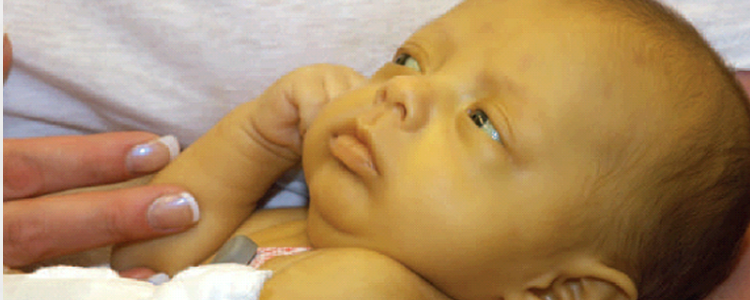
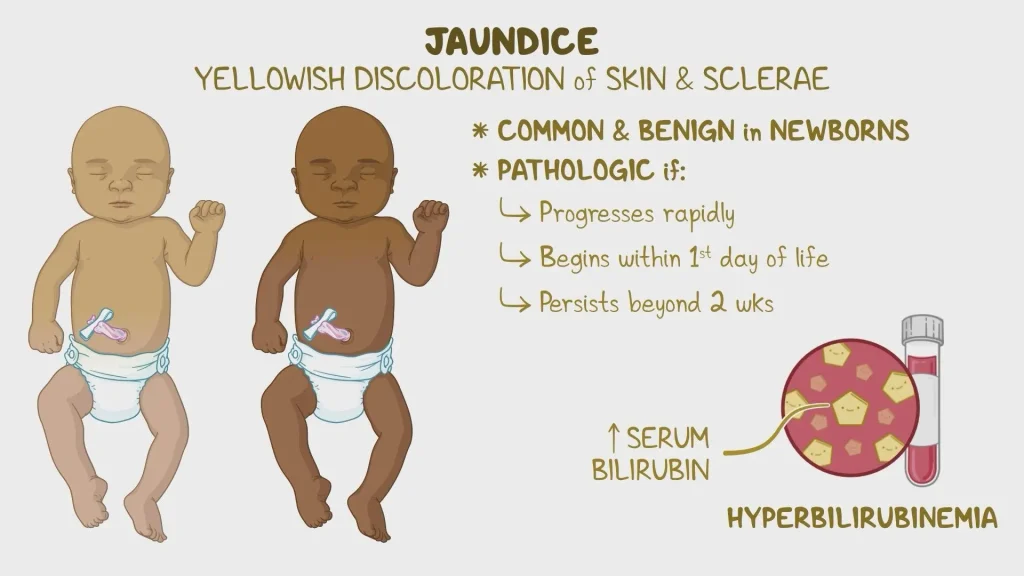
Infant jaundice is a common condition where a newborn’s skin and the whites of their eyes appear yellowish. It happens due to a high level of bilirubin, a yellow pigment produced when red blood cells break down. Most cases of infant jaundice are mild and temporary, but in some cases, it may need treatment.
What Causes Infant Jaundice?
The main causes include:
- Physiological jaundice: Most common type, due to the baby’s liver being immature and slow to remove bilirubin.
- Breastfeeding jaundice: May occur in the first week if the baby isn’t feeding well or not getting enough milk.
- Breast milk jaundice: Caused by substances in breast milk that slow bilirubin processing.
- Blood type incompatibility: If the baby and mother have different blood types, it can lead to faster red blood cell breakdown.
- Prematurity: Premature babies are more likely to have jaundice due to even more immature livers.
- Infections or liver disorders: Rare, but more serious causes.
What Are the Symptoms of Infant Jaundice?
Common signs include:
- Yellowing of the skin, starting from the face and moving downward
- Yellow eyes (sclera)
- Poor feeding or difficulty waking for feeds
- Unusual fussiness
- Dark yellow urine (should normally be colorless in newborns)
- Pale-colored stool (a concerning sign)
Jaundice typically appears between 2–5 days after birth and improves over time.
How Is Infant Jaundice Diagnosed?
Diagnosis is made by:
- Visual examination of the baby’s skin and eyes
- Bilirubin blood test to measure the exact level
- Transcutaneous bilirubin meter (a non-invasive device placed on the skin)
Additional tests may be done if jaundice appears early, lasts longer than expected, or is suspected to be caused by an underlying condition.
How Is Infant Jaundice Treated?
Treatment depends on the bilirubin level, baby’s age, and general health:
1. Mild Jaundice
- Often resolves on its own in 1–2 weeks
- Frequent feeding (8–12 times a day) helps flush bilirubin through stools and urine
2. Moderate to Severe Jaundice
- Phototherapy (light therapy): Baby is placed under special lights that help break down bilirubin in the skin
- Supplemental feedings: May include expressed breast milk or formula
- Exchange transfusion: Rare, but used in severe cases to replace the baby’s blood and reduce bilirubin levels quickly
Can Infant Jaundice Be Prevented?
Not all cases can be prevented, but some steps may help:
- Early and frequent breastfeeding to promote regular bowel movements
- Monitor your baby closely in the first 5 days after birth
- Follow up with your pediatrician for bilirubin level checks, especially if your baby is at higher risk
When Should You Seek Medical Help?
Contact a doctor if:
- The yellow color spreads or deepens
- The baby is very sleepy or hard to wake
- The baby refuses feeds
- There are signs of poor weight gain
- Your baby has pale stools or dark urine
- Jaundice lasts longer than 2–3 weeks
Severe jaundice can lead to a rare but serious condition called kernicterus, which may cause brain damage if not treated in time.
What Is the Outlook for Infants With Jaundice?
The outlook is usually excellent. Most newborns recover fully without any complications. With proper monitoring and timely treatment, even higher levels of jaundice can be managed safely.