


What Is Epulis?
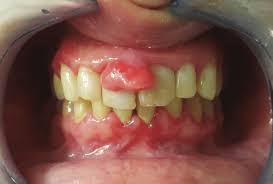
Epulis refers to a benign (non-cancerous) growth or tumor that forms on the gums. These growths can occur in various shapes and sizes and are typically painless. Epulis can develop on any part of the gum but is most commonly found on the upper front gums. While epulis itself is not usually a cause for concern, it can lead to discomfort or interfere with daily functions like eating or speaking.
There are different types of epulis, and each type varies in terms of appearance, causes, and treatment options. Most epulis growths are harmless and can be removed with minor surgical intervention if necessary.
What Are the Causes and Risk Factors of Epulis?
The exact cause of epulis is not always clear, but certain factors may increase the likelihood of developing these gum growths:
- Irritation or Trauma: Chronic irritation to the gums from factors like poor dental hygiene, ill-fitting dentures, or dental procedures can lead to the development of epulis.
- Pregnancy: Epulis gravidarium, or pregnancy-related epulis, is a type of epulis that can develop during pregnancy due to hormonal changes. It typically appears in the second trimester and often resolves after childbirth.
- Poor Oral Hygiene: Consistent neglect of oral health, such as not brushing or flossing regularly, can irritate the gums and contribute to the formation of epulis.
- Hormonal Changes: Changes in hormone levels, such as those that occur during pregnancy or menopause, can also increase the risk of epulis.
- Age: Epulis is more commonly found in adults, particularly in those between the ages of 40 and 60.
- Medications: Some medications, such as certain types of calcium channel blockers used for heart conditions, have been linked to an increased risk of developing epulis.
Types of Epulis
There are several different types of epulis, each with its unique characteristics:
1. Epulis Granulomatosa (Pyogenic Granuloma)
This is the most common type of epulis. It is characterized by:
- A reddish, soft, and bleeding growth.
- Typically arises due to irritation or injury to the gums.
- It is most commonly found in children and young adults.
2. Epulis Fissuratum (Denture-Induced Epulis)
This type of epulis occurs due to irritation from poorly fitting dentures. It forms along the edges of dentures where constant rubbing causes inflammation and tissue growth.
3. Peripheral Ossifying Fibroma
This type of epulis is characterized by:
- A firm, fibrous growth.
- It may contain calcified material, giving it a harder consistency.
- It tends to occur on the upper gums, usually in younger adults.
4. Epulis Gravidarum (Pregnancy Tumor)
This is a type of epulis that develops during pregnancy. It is caused by hormonal changes and is usually seen in the second trimester. This type of epulis often goes away after delivery but may need to be removed if it causes discomfort or interferes with oral health.
What Are the Symptoms of Epulis?
The symptoms of epulis are generally mild and can include:
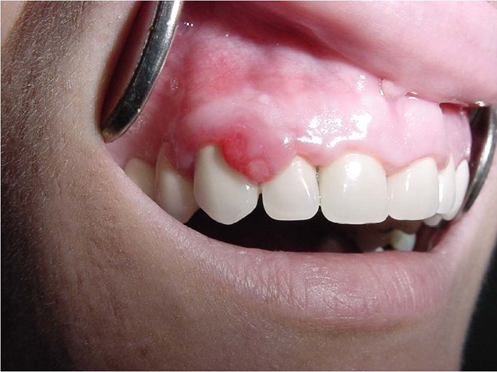
- Visible Growth on the Gums: The growth is often smooth, shiny, and firm to the touch.
- Bleeding: Some types of epulis, particularly pyogenic granuloma, may bleed easily when touched or during brushing.
- Discomfort: Although many people with epulis do not experience pain, the growth may cause mild discomfort, particularly when chewing or brushing the teeth.
- Interference with Oral Function: In some cases, the growth may interfere with normal oral functions like eating or speaking, especially if it becomes large.
How Is Epulis Diagnosed?
Diagnosing epulis typically involves a thorough oral examination by a dentist or healthcare provider. If necessary, the following diagnostic procedures may be used:
- Medical History: Your dentist will ask about your oral hygiene habits, any potential trauma or irritation to the gums, and other relevant factors (such as pregnancy or medication use).
- Physical Examination: The dentist will examine the growth in your gums, checking its size, appearance, and consistency.
- Biopsy: In some cases, a biopsy (removal of a small tissue sample) may be necessary to confirm the diagnosis and rule out other potential causes of the growth, such as a malignant tumor.
- Imaging: X-rays may be used to evaluate the growth, especially if the epulis involves underlying bone.
How Is Epulis Treated?
In most cases, epulis can be easily treated, especially when the growth is benign. Treatment options depend on the size, type, and symptoms associated with the growth:
1. Conservative Treatment:
- Improving Oral Hygiene: For smaller, irritation-induced epulis, improving oral hygiene may be enough to allow the growth to shrink or resolve.
- Adjusting Dentures: For epulis fissuratum, addressing the irritation caused by dentures (such as ensuring a proper fit) can help reduce the growth.
2. Surgical Removal:
If the epulis is large, painful, or does not respond to other treatments, surgical removal may be necessary. This can be done under local anesthesia in the dentist’s office, and the growth is usually excised with minimal scarring.
3. Post-Surgical Care:
After surgery, the area may require gentle cleaning and care to promote healing. In rare cases, the epulis may recur after removal, particularly if the underlying cause (such as irritation or poor oral hygiene) is not addressed.
4. Management of Pregnancy-Related Epulis:
Epulis gravidarum typically resolves after childbirth. However, if it is causing significant discomfort, a dentist or doctor may recommend surgical removal during pregnancy, depending on the size and symptoms.
Can Epulis Be Prevented?
While epulis may not always be preventable, certain steps can help reduce the risk:
- Maintain Good Oral Hygiene: Brush your teeth regularly, floss daily, and visit your dentist for routine check-ups to help prevent irritation that could lead to epulis.
- Proper Denture Fit: Ensure that dentures fit correctly to avoid constant rubbing or pressure on the gums.
- Monitor Hormonal Changes: If you’re pregnant or undergoing hormonal changes, be mindful of any gum changes, and consult your healthcare provider if you notice unusual growths or symptoms.
When Should You See a Doctor About Epulis?
If you notice any unusual growths on your gums or experience symptoms like bleeding, pain, or difficulty eating, it’s important to consult a dentist. Early diagnosis and treatment can help prevent complications and ensure the best possible outcome.