


intraduction
Aspiration Pneumonia is a type of lung infection that occurs when food, liquid, or vomit is inhaled into the lungs. This condition can lead to inflammation, infection, and respiratory problems. Understanding the causes, symptoms, and treatment options for aspiration pneumonia is vital for those at risk of developing it.
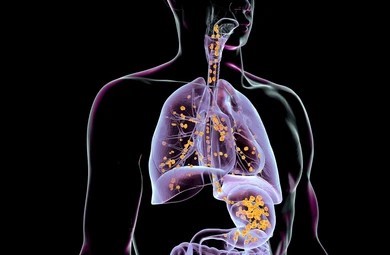
What Is Aspiration Pneumonia?
Aspiration Pneumonia is a type of pneumonia that results from inhaling foreign substances into the lungs, which can lead to bacterial infection. The condition is often linked to conditions that impair swallowing or the protective reflexes of the airway. Aspiration can occur during eating, drinking, vomiting, or even while lying down, particularly in those with certain medical conditions.
Key Causes of Aspiration Pneumonia:
- Swallowing difficulties: Conditions that impair the swallowing mechanism, such as stroke, neurological disorders, or aging, increase the risk of aspiration pneumonia.
- Gastroesophageal reflux disease (GERD): Acid reflux may cause stomach contents to enter the lungs.
- Poor oral hygiene: Bacteria from the mouth can be aspirated into the lungs, increasing the risk of infection.
- Intubation or mechanical ventilation: Medical procedures that involve inserting tubes into the airway can lead to aspiration.
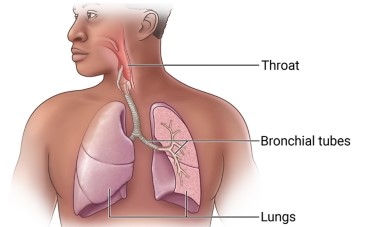
What Are the Symptoms of Aspiration Pneumonia?
The symptoms of aspiration pneumonia vary depending on the severity of the condition, but common signs include:
Common Symptoms:
- Coughing: A persistent cough is often the first sign of aspiration pneumonia. It may be dry or produce sputum.
- Fever: Many individuals with aspiration pneumonia experience a high fever, a typical sign of infection.
- Shortness of Breath: Difficulty breathing or feeling out of breath, especially during physical activity, is a common symptom.
- Chest Pain: Pain or discomfort in the chest can occur due to inflammation in the lungs.
- Fatigue: Feelings of tiredness or weakness may arise as the body fights the infection.
- Bluish Skin or Lips: In severe cases, a lack of oxygen may cause the skin or lips to appear bluish.
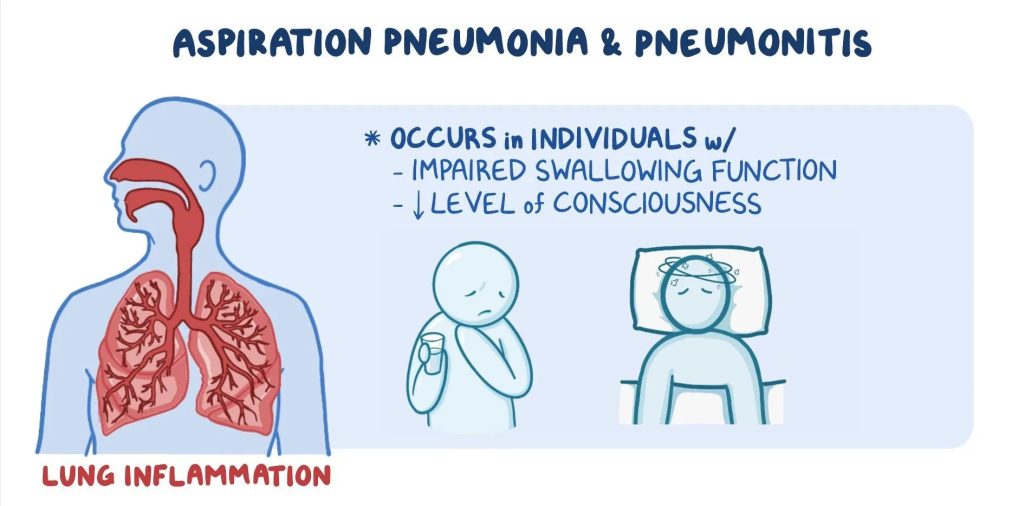
What Are the Risk Factors for Aspiration Pneumonia?
Certain factors increase the risk of developing aspiration pneumonia. These include:
Risk Factors:
- Neurological conditions: Strokes, Parkinson’s disease, and other neurological conditions can impair the swallowing reflex, leading to an increased risk of aspiration.
- Aging: Older adults are more likely to have swallowing difficulties, and their immune systems may be less effective at combating infections.
- Alcohol use: Heavy drinking or alcoholism can impair the gag reflex and increase the risk of aspiration.
- Sedation: Sedative medications can dull the body’s natural protective reflexes, increasing the likelihood of aspiration.
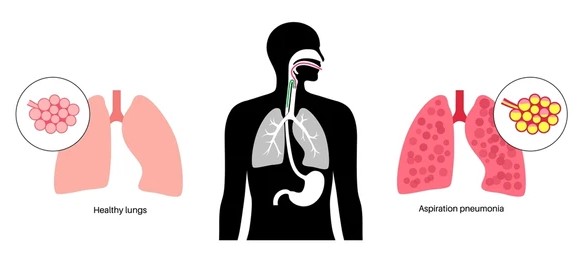
How Is Aspiration Pneumonia Diagnosed?
Diagnosing aspiration pneumonia involves a series of tests and assessments conducted by a healthcare professional. The diagnosis typically includes:
Diagnostic Steps:
- Medical History: The doctor will ask about recent illnesses, symptoms, and any underlying conditions, such as neurological disorders or GERD.
- Physical Examination: A thorough examination of the chest, breathing patterns, and vital signs can provide clues.
- Chest X-ray: A chest X-ray is often used to identify signs of infection or fluid buildup in the lungs.
- Blood Tests: Blood tests can help identify signs of infection or inflammation and determine the severity of the illness.
- Sputum Culture: A sample of mucus or sputum may be collected to identify the specific bacteria causing the infection.
What Are the Treatment Options for Aspiration Pneumonia?
Treatment for aspiration pneumonia typically involves antibiotics, supportive care, and addressing the underlying causes of aspiration. The specific treatment plan depends on the severity of the condition and the patient’s overall health.
Treatment Methods:
- Antibiotics: Broad-spectrum antibiotics are often used to treat aspiration pneumonia, as the infection is commonly caused by a variety of bacteria.
- Oxygen Therapy: If the individual is experiencing difficulty breathing, oxygen therapy may be used to improve oxygen levels in the blood.
- Chest Physiotherapy: Techniques such as postural drainage or percussion may be used to help clear mucus from the lungs.
- Surgical Intervention: In rare cases, if there is significant damage to the lungs or abscesses, surgery may be necessary to drain the infected areas.
- Hydration and Nutrition: Ensuring proper hydration and nutrition is essential to support the immune system and promote recovery.
How Can Aspiration Pneumonia Be Prevented?
Preventing aspiration pneumonia involves addressing the underlying causes of aspiration and taking measures to reduce the risk of food or liquids entering the lungs. Some strategies to prevent aspiration pneumonia include:
Preventive Measures:
- Good Oral Hygiene: Regular brushing of teeth and dental care can help reduce the risk of bacteria from the mouth being aspirated into the lungs.
- Positioning During Meals: Individuals at risk should be seated upright while eating and drinking to reduce the likelihood of aspiration.
- Swallowing Therapy: For individuals with swallowing difficulties, speech or occupational therapy may help improve the ability to swallow safely.
- Avoiding Sedatives: Limiting the use of sedatives, especially in individuals with swallowing difficulties, can reduce the risk of aspiration.
- Managing GERD: Treatment of gastroesophageal reflux disease can help prevent stomach contents from being aspirated into the lungs.
What Is the Prognosis for Aspiration Pneumonia?
The prognosis for aspiration pneumonia depends on several factors, including the individual’s overall health, the severity of the infection, and how quickly treatment is administered. In general:
- Mild cases: With prompt antibiotic treatment, most people recover fully from aspiration pneumonia.
- Severe cases: Severe cases, particularly in older adults or those with weakened immune systems, may require extended hospitalization and carry a higher risk of complications, such as lung abscesses or sepsis.