


Overview
A significant global decline in fertility rates has been increasingly linked to endocrine-disrupting chemicals (EDCs)—substances that interfere with the body’s hormonal systems. These chemicals are found in everyday items such as plastics, personal care products, pesticides, and food packaging. Both male and female reproductive health appear to be affected, raising concerns about long-term population health and sustainability.

Causes
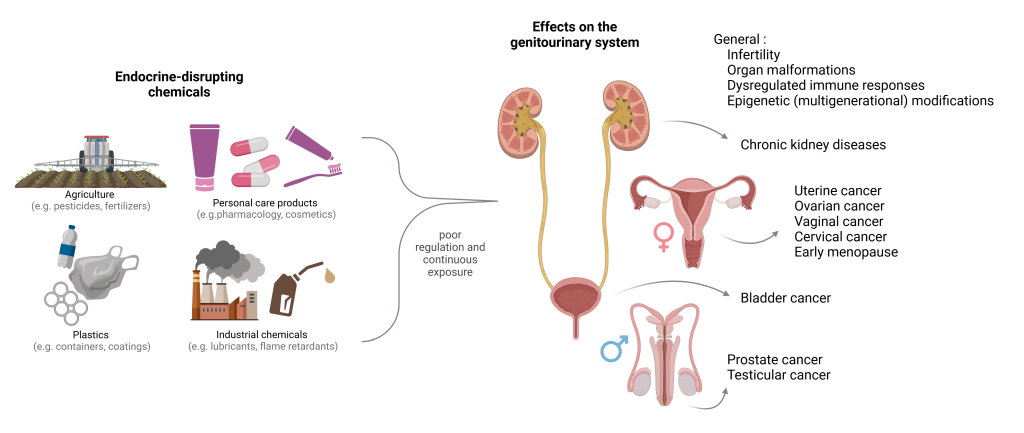
Endocrine disruptors mimic or block natural hormones, particularly those involved in reproduction, such as estrogen, testosterone, and thyroid hormones. Common sources of EDCs include:
- Bisphenol A (BPA) and phthalates (in plastics, bottles, and toys)
- Pesticides and herbicides (e.g., atrazine, glyphosate)
- Parabens and triclosan in cosmetics and soaps
- Flame retardants and industrial chemicals like PCBs
- Contaminated food and drinking water
These chemicals can affect reproductive function by:
- Disrupting hormone production and signaling
- Damaging sperm and egg quality
- Altering fetal development
- Triggering early puberty or delayed reproductive maturity
Symptoms and Effects
The fertility impact of EDC exposure may present as:
- Reduced sperm count and motility in men
- Irregular menstrual cycles and ovulation issues in women
- Increased miscarriage risk
- Hormonal imbalances, such as low testosterone or elevated estrogen
- Congenital anomalies in newborns
- Increased risk of polycystic ovary syndrome (PCOS) and endometriosis
- Impaired sexual development in infants and adolescents
Diagnosis
There is no single test for EDC-related infertility, but evaluation may include:
- Hormonal blood panels
- Semen analysis
- Ultrasound and pelvic exams
- Environmental exposure history
Treatment and Management
- Fertility treatments such as IVF or IUI may be used when natural conception is affected
- Hormone therapy in some cases to correct imbalances
- Detoxification support and lifestyle adjustments to reduce EDC exposure
- Nutritional and antioxidant supplementation to improve reproductive function
Prevention
- Use BPA-free and phthalate-free containers and packaging
- Choose organic produce to minimize pesticide exposure
- Avoid heating food in plastic containers
- Limit use of scented personal care products and air fresheners
- Filter drinking water for heavy metals and hormone residues
- Advocate for stricter regulation and labeling of consumer chemicals
Public Health Impact
- Fertility rates have declined below replacement levels in many industrialized and developing countries
- Some scientists warn of a possible “fertility crisis” within a generation if trends continue
- Global health organizations are calling for urgent regulatory action and more public awareness about chemical exposure risks
Prognosis
Early identification of hormone-disrupting exposures and proactive lifestyle changes can help improve fertility outcomes. However, in cases of chronic or high-dose exposure, long-term reproductive challenges may persist.