


Overview
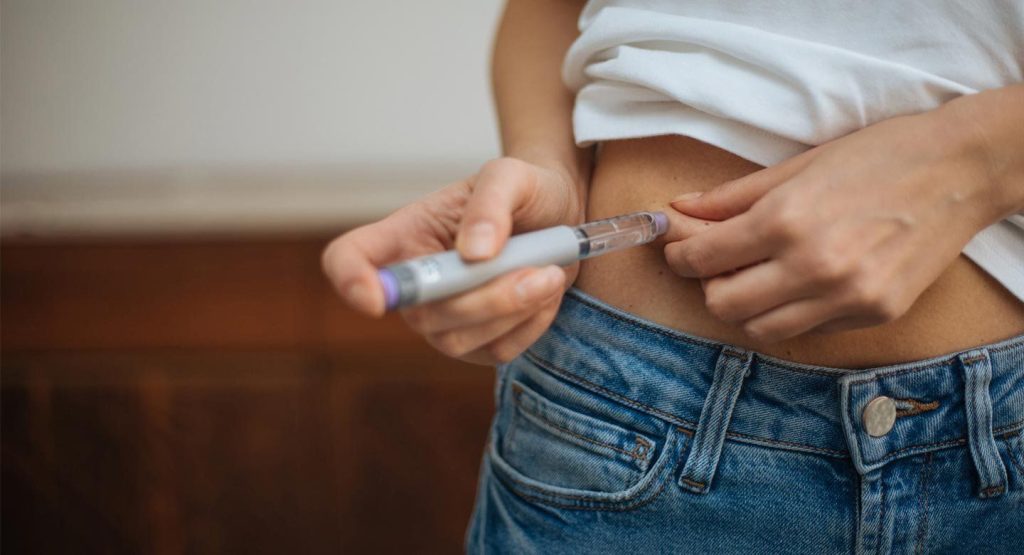
Ozempic (semaglutide) is a prescription medication originally approved to manage type 2 diabetes. It mimics the hormone GLP-1 (glucagon-like peptide-1) to help regulate blood sugar levels and increase feelings of fullness. Recently, Ozempic has gained popularity for its off-label use as a weight loss aid, especially on social media. However, misuse or unsupervised use of Ozempic for cosmetic weight loss purposes can lead to serious health consequences.

Causes of Abuse
Several factors have contributed to the rise in Ozempic misuse:
- Social media and celebrity influence promoting rapid weight loss
- Desire for quick, dramatic body transformation
- Off-label prescribing by non-specialist providers
- Online availability without prescription
- Misinformation about the drug’s safety and long-term effects
Health Risks and Side Effects
When used without medical supervision or inappropriately, Ozempic may cause:
- Severe nausea, vomiting, and diarrhea
- Dehydration and electrolyte imbalances
- Pancreatitis (inflammation of the pancreas)
- Gallbladder issues, including gallstones
- Thyroid tumors (in animal studies)
- Malnutrition from inadequate food intake due to appetite suppression
- Muscle loss with rapid or excessive weight loss
- Mental health impacts, such as body dysmorphia or eating disorders
Symptoms of Misuse
Signs of Ozempic abuse may include:
- Using Ozempic without a diabetes diagnosis or doctor’s guidance
- Taking higher or more frequent doses than prescribed
- Obsessive weight monitoring
- Skipping meals or using the drug as an alternative to healthy eating
- Sharing or purchasing the drug online or from unofficial sources
Diagnosis
There is no specific test for Ozempic abuse, but healthcare providers may identify it through:
- Patient history and medication review
- Symptoms of gastrointestinal or metabolic disturbances
- Unexplained rapid weight loss
- Lab tests showing electrolyte or pancreatic abnormalities
Treatment and Management
Managing Ozempic misuse requires a multidisciplinary approach:
- Discontinuation of unsupervised use under medical advice
- Nutritional counseling to prevent malnutrition and muscle loss
- Mental health support to address body image issues or disordered eating
- Medical treatment of any adverse side effects (e.g., pancreatitis, dehydration)
- Education about safe and sustainable weight loss methods
Prevention
To prevent Ozempic abuse:
- Raise awareness about the risks of off-label use
- Encourage responsible prescribing practices
- Monitor social media for harmful trends
- Promote body positivity and healthy lifestyle habits
- Limit non-prescription access to the drug
Prognosis
With early intervention and support, most individuals can recover from the effects of Ozempic misuse. Long-term complications are rare if addressed promptly, but ongoing psychological or metabolic monitoring may be necessary in some cases.