


Overview
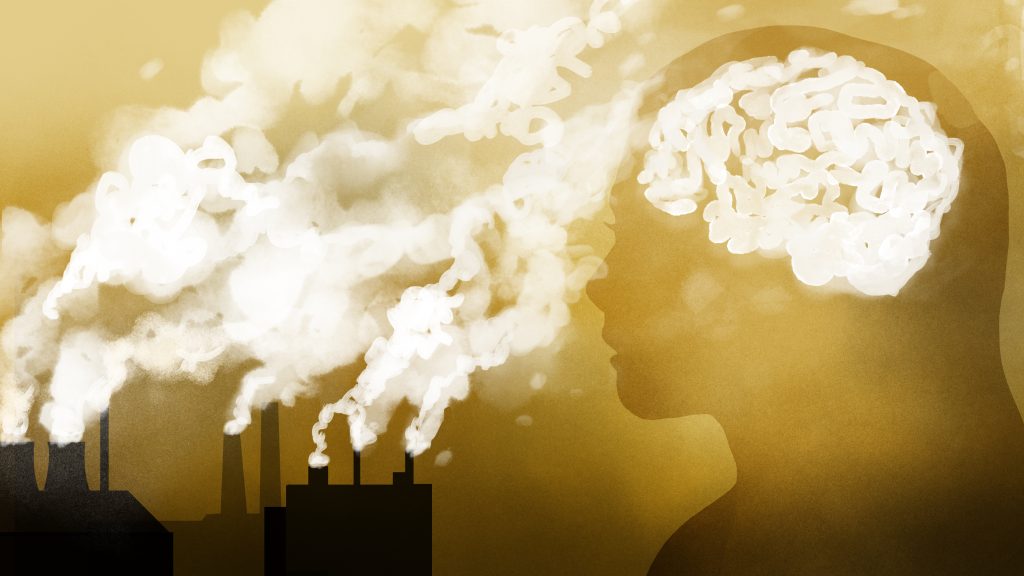
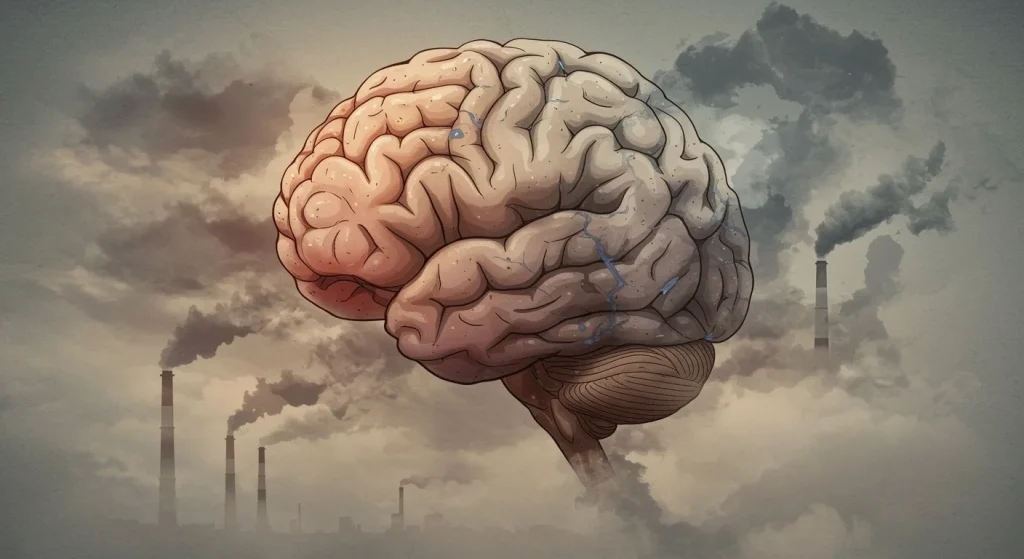
Air pollution-induced neurological disorders refer to the increasing evidence linking long-term exposure to polluted air—especially fine particulate matter (PM2.5), nitrogen dioxide (NO₂), carbon monoxide (CO), and heavy metals—to a wide range of brain-related conditions. This form of environmental neurotoxicity is now considered a major public health concern, particularly in urban and industrialized regions.
Causes
Harmful air pollutants can reach the brain through two main pathways:
- Inhalation of fine particles (PM2.5 and ultrafine PM) that enter the bloodstream via the lungs and cross the blood-brain barrier
- Direct access via the olfactory nerve, allowing particles to bypass the barrier and enter the brain directly
Key sources of neurotoxic air pollutants include:
- Vehicle emissions
- Industrial and power plant pollution
- Household combustion (e.g., cooking with solid fuels)
- Tobacco smoke and urban smog
Neurological Disorders Linked to Air Pollution
Emerging research has associated air pollution exposure with several brain conditions, including:
- Cognitive decline and dementia (including Alzheimer’s disease)
- Parkinson’s disease
- Stroke and cerebrovascular disease
- Neurodevelopmental disorders in children (e.g., autism spectrum disorder, ADHD)
- Depression and anxiety
- Reduced IQ and memory impairment
Symptoms
Symptoms vary depending on the specific condition and include:
- Memory loss, confusion, and poor concentration
- Mood changes, irritability, or depression
- Motor dysfunction (e.g., tremors, balance problems)
- Learning difficulties or developmental delays in children
- Increased risk of stroke or mini-strokes
Diagnosis
There are no direct clinical tests for pollution-induced neurological damage, but diagnosis may include:
- Neuroimaging (MRI, CT scans)
- Cognitive and neurological assessments
- Review of environmental exposure history
- Blood biomarkers of inflammation or oxidative stress (under investigation in research)
Treatment and Management
While the damage from long-term exposure may not be reversible, management strategies include:
- Symptomatic treatment of diagnosed neurological conditions
- Cognitive therapy and rehabilitation for affected individuals
- Nutritional support with antioxidants (e.g., vitamin C, E, omega-3s)
- Reducing ongoing exposure through air purification and lifestyle changes
Prevention
Reducing exposure to harmful air pollutants is key to prevention:
- Use air purifiers and ensure proper ventilation indoors
- Wear masks during high-pollution days
- Avoid heavy traffic zones during peak hours
- Advocate for clean energy and transportation policies
- Monitor local air quality index (AQI) and limit outdoor activity accordingly
Prognosis
Prognosis depends on the duration and level of exposure, as well as the specific neurological condition. Children, older adults, and people with pre-existing health issues are more vulnerable to long-term effects.