


Overview
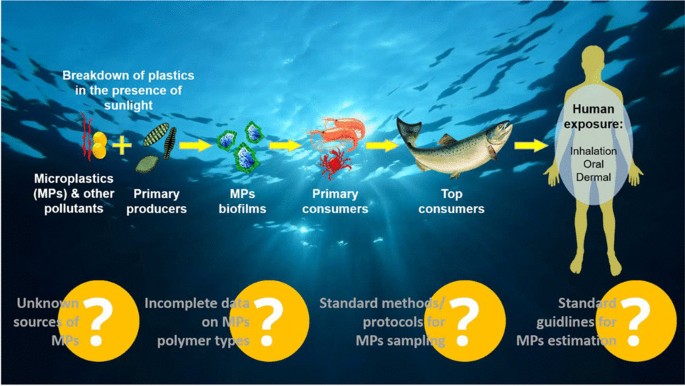
Microplastic bioaccumulation refers to the buildup of tiny plastic particles (less than 5mm in size) in the bodies of living organisms, including humans, through ingestion, inhalation, or skin contact. These particles originate from broken-down plastic waste, synthetic textiles, personal care products, and industrial processes. As microplastics enter the food chain and environment, their accumulation raises growing health and ecological concerns.
Causes
Microplastic bioaccumulation occurs through multiple pathways:
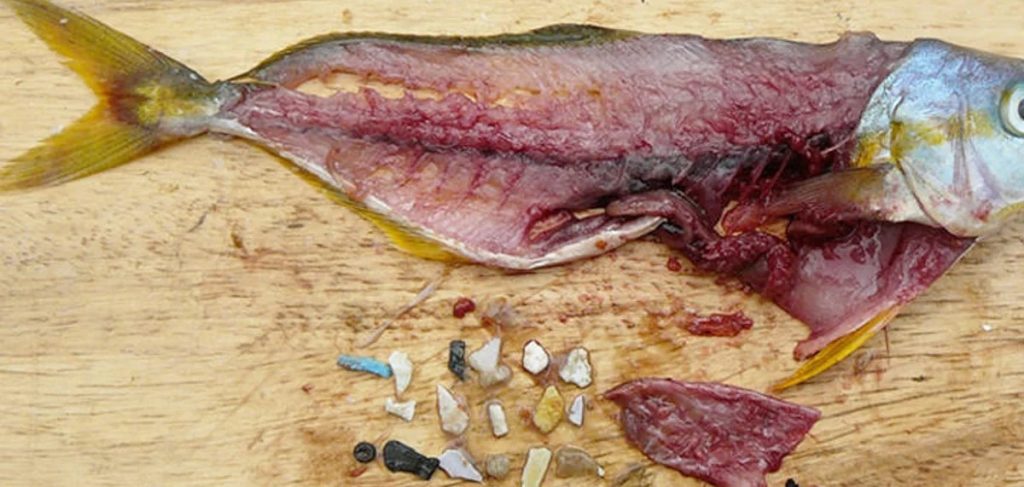
- Ingestion of contaminated food and water (especially seafood and bottled water)
- Inhalation of airborne microplastics from urban dust, clothing fibers, or packaging
- Contact through skin or personal care products containing microbeads
- Environmental pollution, including runoff into oceans, rivers, and soil
These particles can accumulate in tissues over time, potentially crossing biological barriers.
Health Effects in Humans
Though research is still emerging, possible health impacts include:
- Gastrointestinal inflammation due to particle irritation
- Endocrine disruption from chemical additives (like phthalates, BPA)
- Oxidative stress and cellular damage
- Immune system dysregulation
- Neurotoxic effects from nanoplastics entering the bloodstream or brain
- Potential links to cancer, infertility, and developmental issues (still under investigation)
Symptoms and Signs
There are no specific symptoms directly attributed to microplastic accumulation, but associated conditions may include:
- Chronic gut discomfort or inflammation
- Hormonal imbalances
- Increased allergies or autoimmune responses
- Unexplained fatigue or cognitive issues (in suspected high exposure cases)
Diagnosis
Currently, there are no standard clinical tests to diagnose microplastic exposure in humans. Research tools like:
- Tissue sampling
- Stool analysis
- Blood or placental testing (in experimental settings)
…are used to detect and study presence and effects in small populations.
Treatment and Management
There is no direct treatment for microplastic accumulation. Management focuses on reducing exposure and supporting overall health:
- Detox-supportive diets rich in fiber and antioxidants
- Avoiding plastic food containers and microwaving in plastic
- Drinking filtered water
- Using natural personal care and cleaning products
- Promoting waste reduction and environmental cleanup
Prevention
To limit microplastic exposure:
- Choose glass, stainless steel, or BPA-free containers
- Avoid products with polyethylene microbeads
- Limit consumption of high-risk seafood
- Use fabric filters for washing machines to catch synthetic fibers
- Support eco-friendly and plastic-free lifestyle choices
Prognosis
The long-term health implications of microplastic bioaccumulation remain under study. However, early evidence suggests potential for significant harm, especially with lifelong or high-level exposure. Public health measures and personal precautions are critical.
Environmental and Public Health Perspective
Microplastic pollution poses a dual threat: harming wildlife through bioaccumulation and threatening human health via the food chain. Reducing global plastic production, improving waste management, and raising public awareness are essential for minimizing its impact on ecosystems and future generations.