


Overview
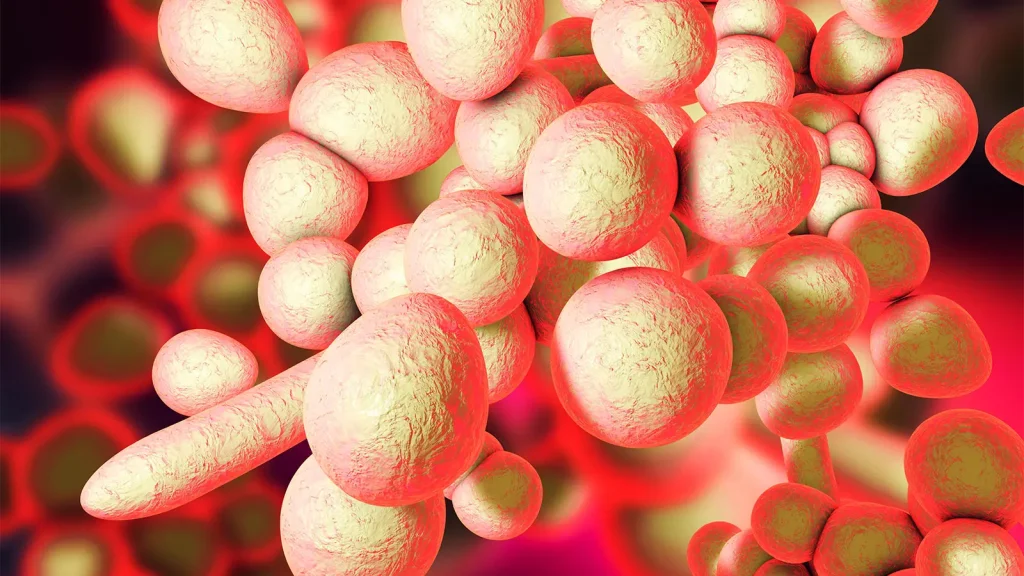
Candida auris is a type of multidrug-resistant fungus that has emerged as a serious global health threat. First identified in 2009, it has since caused outbreaks in hospitals and healthcare settings across multiple continents. This fungus is difficult to detect and treat, making it particularly dangerous for immunocompromised individuals.
Causes
Candida auris infections occur when the fungus enters the bloodstream or wounds, often through catheters, surgery, or invasive procedures. Risk factors include:
- Prolonged hospital stays
- Use of broad-spectrum antibiotics or antifungals
- Weakened immune system
- Presence of medical devices like ventilators or central lines
Symptoms
Symptoms of C. auris infections can be non-specific and vary depending on the site of infection, but may include:
- Fever and chills that don’t improve with antibiotics
- Sepsis or bloodstream infection
- Wound infections
- Ear infections
Diagnosis
Candida auris is often misidentified by standard lab tests. Advanced molecular techniques or MALDI-TOF mass spectrometry are required for accurate diagnosis. Cultures from blood, urine, or wounds may be used.

Treatment
Treatment of C. auris can be challenging due to its resistance to multiple antifungal medications. Echinocandins are usually the first-line treatment, but some cases may require combination therapy or use of newer antifungal agents.
Prevention
Infection control measures are crucial to prevent the spread of C. auris, especially in healthcare facilities. These include:
- Rigorous hand hygiene
- Thorough cleaning and disinfection of hospital environments
- Isolation of infected or colonized patients
- Screening of close contacts
Prognosis
The prognosis depends on the patient’s overall health and how quickly the infection is identified and treated. Mortality rates can be high, especially in critically ill patients.