


Overview
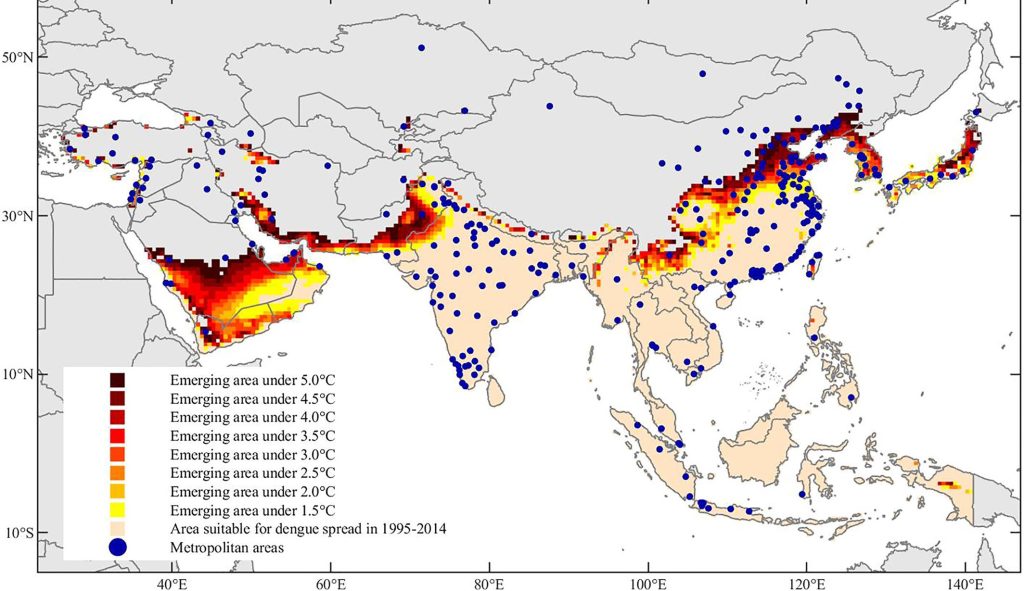
Vector-borne diseases like Chikungunya, Dengue, Zika, and others—typically spread by mosquitoes or ticks—are increasingly appearing in regions where they were previously rare or nonexistent. This surge is linked to climate change, urbanization, global travel, and ecological disruption, leading to broader transmission zones and higher infection rates.

Common Causes
- Climate change: Warmer temperatures and altered rainfall patterns expand mosquito habitats
- Urbanization: Poor sanitation, stagnant water, and overcrowding increase vector breeding
- Global travel and trade: Spread of infected people or mosquito species to new regions
- Deforestation and environmental changes: Bring humans closer to vector-rich ecosystems
- Lack of public health preparedness: In areas not previously affected by such diseases
Emerging Vector-Borne Diseases in New Areas
- Dengue: Now appearing in southern Europe, parts of the U.S., and high-altitude zones
- Chikungunya: Spread to the Americas and parts of Europe
- Zika virus: Outbreaks in the Americas and Southeast Asia, with serious fetal risks
- Japanese encephalitis and malaria: Moving into temperate areas previously unaffected
- Tick-borne diseases: Including Lyme disease and Crimean-Congo hemorrhagic fever expanding due to shifting tick habitats
Common Symptoms
- Fever, rash, and joint pain (Chikungunya, Dengue, Zika)
- Severe muscle and bone pain (Dengue, “breakbone fever”)
- Neurological symptoms (e.g., seizures, encephalitis in severe cases)
- Bleeding tendencies (Dengue hemorrhagic fever)
- Birth defects (e.g., microcephaly from Zika virus)
Diagnosis
- Clinical symptoms and epidemiological history
- Blood tests for virus-specific antigens, antibodies, or PCR
- Serological tests to distinguish between similar viruses
- Notification to public health authorities for surveillance
Treatment
- Mostly supportive care: hydration, pain management, fever control
- Hospitalization in severe cases (e.g., Dengue shock syndrome)
- No specific antiviral treatment for most; Zika and Chikungunya managed symptomatically
- Vector control to prevent further transmission
- Public education and mosquito-bite prevention strategies
Prevention Tips
- Use of insect repellents and mosquito nets
- Elimination of mosquito breeding sites (e.g., standing water)
- Travel precautions in endemic areas
- Vaccination (where available, e.g., Dengue vaccine in certain regions)
- Stronger surveillance and early warning systems in non-endemic zones
Prognosis
Most cases recover fully with supportive care, but complications—especially in vulnerable populations—can be life-threatening. The risk of outbreaks in new areas is growing and requires coordinated public health action.