


Overview
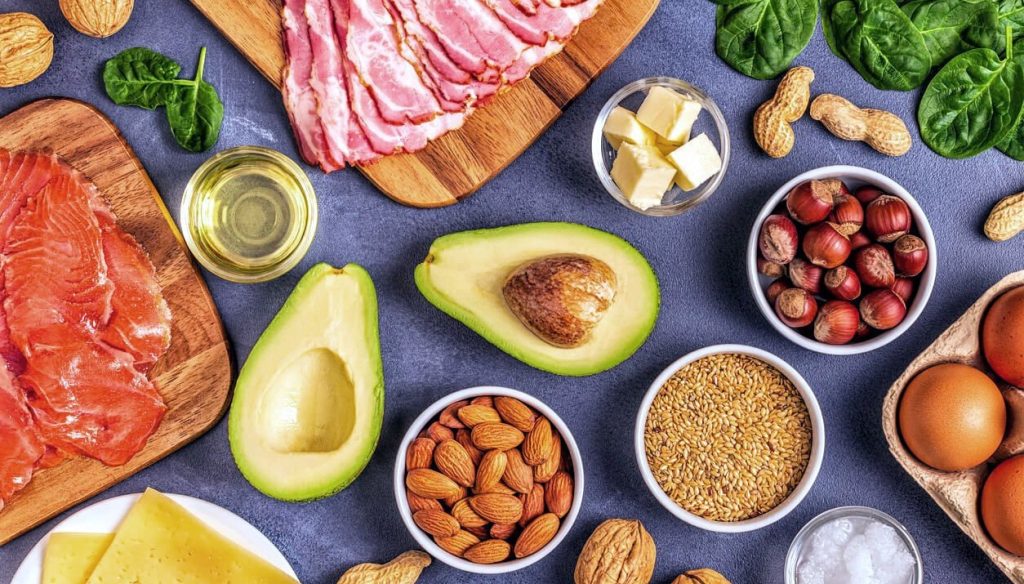
The raw food diet emphasizes consuming uncooked and unprocessed foods, primarily fruits, vegetables, nuts, seeds, and sometimes raw animal products like milk, fish, or meat. While the diet promotes whole foods and plant-based eating, strict adherence can pose health risks due to nutrient deficiencies, food safety concerns, and digestive challenges.
Common Causes of Risk
- Exclusion of cooked foods that enhance nutrient availability
- Lack of protein-rich or fortified foods
- Consumption of raw animal products that may carry pathogens
- Misconceptions about “natural” foods always being safer or healthier
- Inadequate meal planning
Potential Health Risks
- Nutrient deficiencies: Especially in vitamin B12, iron, calcium, vitamin D, iodine, and zinc
- Protein inadequacy: Especially in raw vegan versions of the diet
- Weakened bones and teeth: Due to low calcium and vitamin D intake
- Reproductive issues: Women may experience menstrual irregularities due to low fat and nutrient intake
- Digestive problems: Such as bloating or diarrhea from high fiber and raw legumes or cruciferous vegetables
- Foodborne illnesses: From bacteria like E. coli, Salmonella, and Listeria found in raw meat, dairy, or sprouts
- Unintended weight loss: Due to low caloric density and reduced appetite
- Reduced absorption of nutrients: Some foods (like tomatoes and carrots) provide more nutrients when cooked

Diagnosis
- Dietary assessment to evaluate nutritional balance
- Blood tests to check for deficiencies (e.g., B12, iron, vitamin D)
- Body composition analysis to detect undernutrition
- Assessment of menstrual and hormonal health in women
Treatment
- Gradual reintegration of nutrient-rich cooked foods
- Nutritional supplementation, especially B12, iron, and vitamin D
- Balanced meal planning with professional guidance
- Avoidance of risky raw animal products
- Medical treatment for infections or deficiencies

Prevention Tips
- Choose a modified raw food approach that includes some cooked items
- Focus on variety and nutritional adequacy, not just rawness
- Avoid raw meat, eggs, or unpasteurized dairy unless certified safe
- Cook certain foods to improve digestibility and nutrient absorption
- Work with a registered dietitian when adopting restrictive diets
Prognosis
While a short-term raw food diet may offer detox-like benefits for some, long-term adherence can lead to serious health issues if not properly managed. With guidance and balance, many of the risks can be mitigated.