


What is Carcinoid Syndrome?
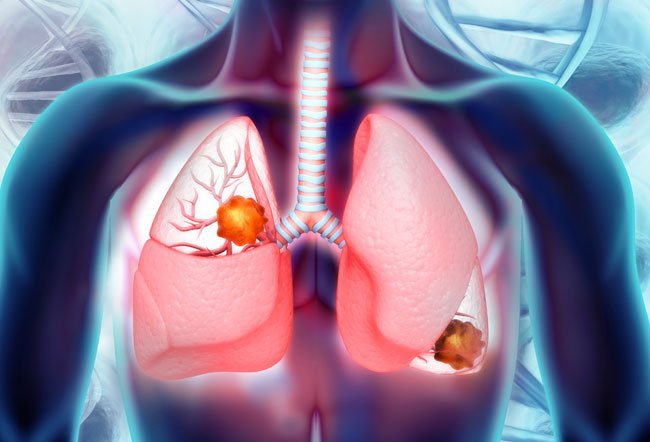
Carcinoid syndrome is a group of symptoms that occur when a type of cancer called a carcinoid tumor releases certain chemicals, such as serotonin, into the bloodstream. These tumors usually develop in the gastrointestinal tract or lungs. Carcinoid syndrome is most commonly seen when the cancer has spread (metastasized) to the liver, as this allows the chemicals to bypass the liver’s filtering system, causing the symptoms to manifest.

What Causes Carcinoid Syndrome?
Carcinoid syndrome is caused by the presence of carcinoid tumors, which are typically slow-growing tumors that originate in the neuroendocrine cells of the gastrointestinal tract, lungs, or other organs. These tumors release hormones and other substances into the bloodstream, causing a variety of symptoms.
The exact cause of carcinoid tumors is unclear, but they are often associated with the following factors:
- Genetic Factors: A family history of conditions like Multiple Endocrine Neoplasia type 1 (MEN1) can increase the risk of developing carcinoid tumors.
- Gastrointestinal or Pulmonary Conditions: Certain conditions such as Crohn’s disease can increase the likelihood of developing carcinoid tumors.
- Metastasis: Carcinoid syndrome usually occurs when the tumor has spread to the liver or other organs, allowing the chemicals to enter the bloodstream in larger amounts.
What Are the Symptoms of Carcinoid Syndrome?
The symptoms of carcinoid syndrome can vary greatly, but the most common include:
- Flushing: A warm or reddened appearance of the skin, usually on the face or neck, often accompanied by a feeling of warmth or heat.
- Diarrhea: Frequent, watery stools that can lead to dehydration and malnutrition in severe cases.
- Wheezing and Shortness of Breath: Difficulty breathing or a wheezing sound due to narrowing of the airways.
- Abdominal Pain: Discomfort or pain in the stomach area, which may be associated with bloating, cramps, or changes in bowel habits.
- Heart Problems: Carcinoid heart disease can develop in some individuals, leading to valve damage and symptoms such as shortness of breath, chest pain, or swelling in the legs.
- Skin Changes: Some individuals may notice skin changes, including a red, blotchy rash or a feeling of warmth in the affected area.
- Weight Loss: Unexplained weight loss due to malabsorption caused by the diarrhea or the tumor’s effect on the body.
How is Carcinoid Syndrome Diagnosed?
Carcinoid syndrome is diagnosed through a combination of medical history, physical exams, and diagnostic tests. These may include:
- Blood and Urine Tests: Elevated levels of certain chemicals, such as serotonin or chromogranin A, in the blood or urine can help confirm the diagnosis.
- Imaging Tests: Imaging studies, such as CT scans, MRIs, or octreotide scans, can help identify the location and size of carcinoid tumors.
- Biopsy: A biopsy may be performed to obtain a tissue sample from the tumor for examination under a microscope.
- Echocardiogram: An echocardiogram may be used to check for heart valve damage, a potential complication of carcinoid syndrome.
What Are the Treatment Options for Carcinoid Syndrome?
Treatment for carcinoid syndrome focuses on managing the symptoms of the syndrome and addressing the underlying carcinoid tumors. Common treatment options include:
- Surgical Removal: If the tumor is localized, surgery to remove the tumor or tumors is often the first treatment option.
- Medications: Medications such as somatostatin analogs (e.g., octreotide) can help reduce the secretion of hormones from the tumor and alleviate symptoms such as flushing and diarrhea.
- Chemotherapy: Chemotherapy may be used for tumors that are advanced or have spread to other areas of the body.
- Liver-Directed Therapy: If the tumor has spread to the liver, liver-directed therapies such as hepatic artery embolization or radiofrequency ablation may be considered.
- Targeted Therapy: Newer treatments that specifically target cancer cells without affecting healthy cells may be used in some cases.
- Supportive Care: For individuals with severe symptoms, supportive care such as intravenous fluids, anti-diarrheal medications, and heart medications may be necessary to manage the condition.
What Are the Risk Factors for Carcinoid Syndrome?
Several factors may increase the risk of developing carcinoid tumors and, by extension, carcinoid syndrome:
- Genetic Conditions: A family history of MEN1, which is a genetic disorder that predisposes individuals to various types of tumors, can increase the risk of carcinoid tumors.
- Age: Carcinoid tumors typically develop in adults, with the average age of diagnosis being in the 50s or 60s.
- Underlying Medical Conditions: Conditions such as Crohn’s disease or other gastrointestinal diseases may increase the likelihood of developing carcinoid tumors.
What is the Prognosis for Carcinoid Syndrome?
The prognosis for carcinoid syndrome depends on the stage of the carcinoid tumors and how well they respond to treatment. When diagnosed early and treated appropriately, many people with carcinoid tumors can live long and relatively healthy lives. However, if the tumors have spread to other organs or if complications like carcinoid heart disease develop, the prognosis may be more guarded.
Can Carcinoid Syndrome Be Prevented?
Currently, there is no known way to prevent carcinoid tumors or carcinoid syndrome. However, early detection and treatment can help manage symptoms and prevent complications. People with a family history of genetic conditions like MEN1 may benefit from regular screening to catch tumors early.
Conclusion: What Should You Know About Carcinoid Syndrome?
Carcinoid syndrome is a rare but serious condition caused by the release of hormones from carcinoid tumors. It leads to a variety of symptoms, including flushing, diarrhea, and wheezing, and can sometimes result in serious heart complications. Early diagnosis and treatment are key to managing the condition and improving quality of life. If you experience symptoms suggestive of carcinoid syndrome, it’s important to seek medical attention for proper evaluation and management.