


Overview:
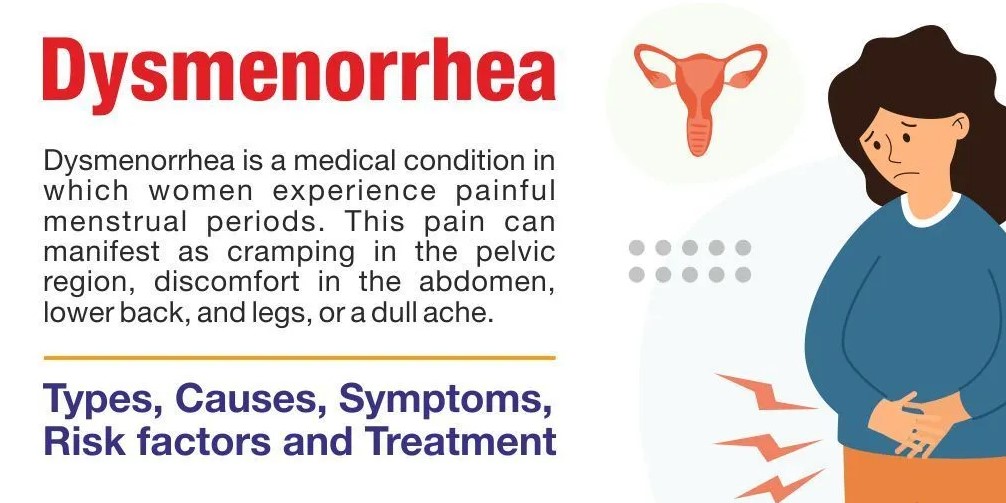
Irregular menstrual cycles refer to variations in the length, frequency, or flow of menstruation that fall outside the normal range. A typical cycle lasts between 21 to 35 days, but irregularity occurs when cycles are unpredictable or differ significantly from month to month.
Causes:
- Hormonal imbalances: Especially involving estrogen, progesterone, or thyroid hormones.
- Polycystic ovary syndrome (PCOS): A common endocrine disorder causing irregular ovulation.
- Thyroid disorders: Both hyperthyroidism and hypothyroidism can disrupt cycles.
- Stress and anxiety: Can interfere with the brain’s hormonal regulation.
- Excessive exercise or weight changes: Especially in athletes or those with eating disorders.
- Perimenopause: Hormonal shifts leading up to menopause.
- Chronic conditions: Diabetes, celiac disease, or pituitary disorders.
- Medications and contraception: Certain birth control methods or stopping hormone therapy.
- Breastfeeding: Can delay the return of regular menstruation after childbirth.
Symptoms:
- Skipped periods or missed cycles.
- Periods that occur too frequently (more than once a month) or infrequently (less than 6-8 times a year).
- Varying menstrual flow – very light or excessively heavy.
- Spotting between periods.
- Associated symptoms like acne, weight gain, or abnormal hair growth (especially with PCOS).
Diagnosis:
- Medical history and menstrual tracking: To identify pattern abnormalities.
- Hormone blood tests: Including FSH, LH, prolactin, estrogen, progesterone, and thyroid levels.
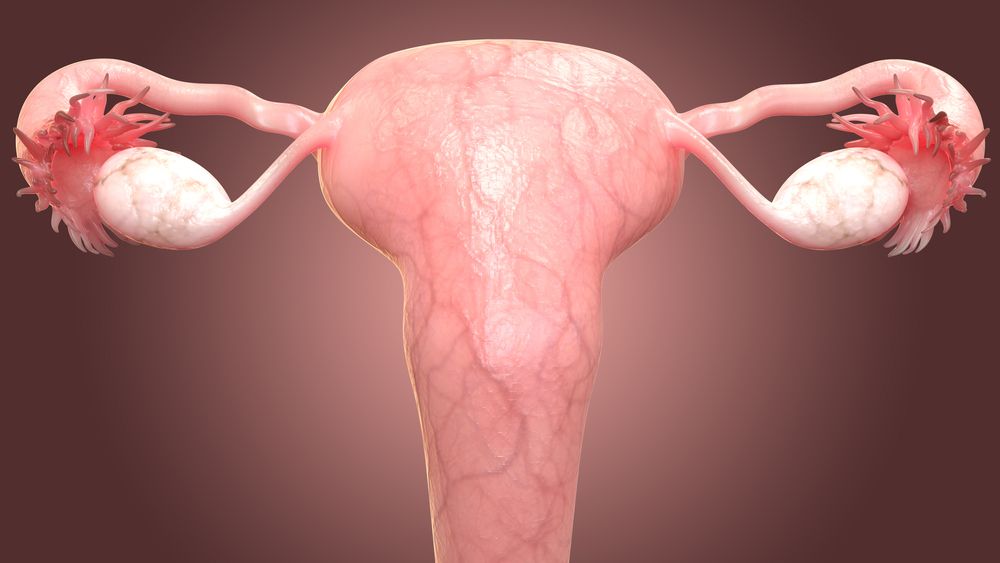
- Pelvic ultrasound: To check for ovarian cysts, uterine abnormalities, or endometrial lining issues.
- Additional tests: May include a pregnancy test, Pap smear, or endometrial biopsy if indicated.
Treatment:
- Lifestyle changes: Stress reduction, balanced diet, regular exercise, and weight management.
- Hormonal treatments: Birth control pills, progesterone therapy, or treatment of underlying thyroid issues.
- Management of PCOS: With medications like metformin or hormonal regulation.
- Addressing underlying conditions: Treating chronic illnesses or adjusting medications.
Prognosis:
Many women with irregular cycles achieve better menstrual regularity through appropriate lifestyle and medical interventions. In some cases, ongoing management is needed, especially when fertility is a concern.