


What is Uptake Syndrome Type 47?
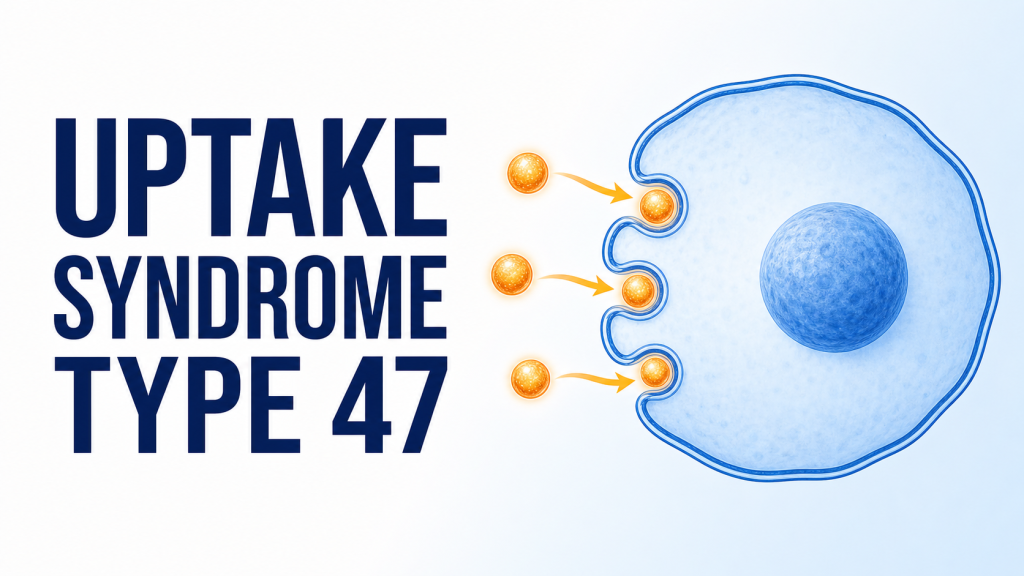
Uptake Syndrome Type 47 is a rare inherited metabolic disorder characterized by defective cellular uptake and abnormal accumulation of certain substances in body tissues. This accumulation primarily affects the nervous system and muscles, leading to progressive damage and symptoms.
What Causes Uptake Syndrome Type 47?
The condition is caused by genetic mutations that impair the function of cellular transport proteins. These mutations disrupt normal metabolic processes, resulting in the buildup of toxic substances within cells.
What Are the Symptoms?
Symptoms usually appear in infancy or early childhood and may include:
- Delayed motor and cognitive development
- Muscle weakness or abnormal muscle tone
- Difficulties with coordination and movement
- Seizures or other neurological abnormalities
- Intellectual disability or learning challenges
- Possible vision or hearing impairments
- Enlargement of organs such as the liver or spleen in some cases
How is Uptake Syndrome Type 47 Diagnosed?
Diagnosis involves:
- Detailed medical and family history
- Physical and neurological examinations
- Laboratory tests including blood and urine analysis for abnormal metabolites
- Genetic testing to identify causative mutations
- Imaging studies like MRI to assess brain and organ involvement
- Tissue biopsy for confirmation if necessary
How is Uptake Syndrome Type 47 Treated?
There is no cure; treatment focuses on symptom management and supportive care:
- Medications to control seizures and muscle symptoms
- Dietary modifications to reduce accumulation of harmful substances
- Physical, occupational, and speech therapy
- Ongoing care by a multidisciplinary medical team
Can Uptake Syndrome Type 47 Cause Complications?
Possible complications include:
- Progressive neurological decline
- Physical and intellectual disabilities
- Organ dysfunction depending on severity
When Should You See a Doctor?
Seek medical advice if:
- A child shows developmental delays or muscle weakness
- Seizures or neurological symptoms develop
- There is a family history of genetic or metabolic disorders
- Symptoms worsen or new symptoms appear
