


What is a Subarachnoid Hemorrhage?
A subarachnoid hemorrhage (SAH) is bleeding into the space between the brain and the thin tissues covering the brain, called the subarachnoid space. This space normally contains cerebrospinal fluid that cushions the brain. When bleeding occurs here, it can increase pressure on the brain and cause serious damage.
SAH is a medical emergency that requires immediate treatment to prevent life-threatening complications.
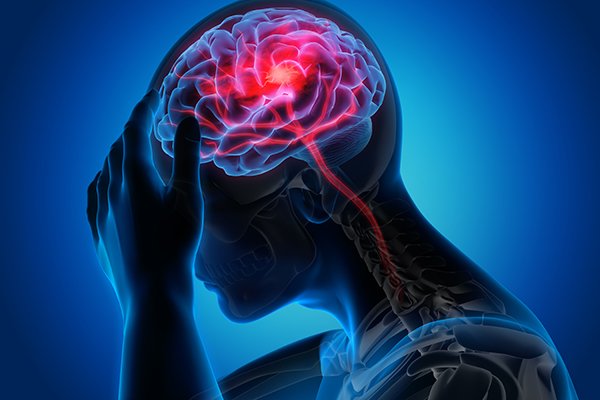
What Are the Symptoms of Subarachnoid Hemorrhage?
Symptoms usually appear suddenly and may include:
- Sudden, severe headache often described as “the worst headache of my life”
- Neck stiffness and pain
- Nausea and vomiting
- Sensitivity to light (photophobia)
- Loss of consciousness or fainting
- Confusion, difficulty speaking, or seizures
- Weakness or numbness in parts of the body
What Causes a Subarachnoid Hemorrhage?
Common causes include:
- Ruptured brain aneurysm (a weakened blood vessel that bursts) — the most common cause
- Head injury or trauma
- Arteriovenous malformations (abnormal connections between arteries and veins)
- Blood vessel diseases or bleeding disorders
- Use of blood-thinning medications
How is Subarachnoid Hemorrhage Diagnosed?
Diagnosis is urgent and usually involves:
- CT scan of the head — the first and most important test to detect bleeding
- Lumbar puncture (spinal tap) — if the CT scan is inconclusive, to check for blood in cerebrospinal fluid
- Cerebral angiography — to locate the source of bleeding and evaluate blood vessels
- MRI or MRA (Magnetic Resonance Imaging/Angiography) — for detailed images of the brain and vessels
How is Subarachnoid Hemorrhage Treated?
Treatment focuses on stopping the bleeding and preventing complications:
- Hospitalization in an intensive care unit
- Surgical clipping or endovascular coiling to seal the ruptured aneurysm
- Medications to control blood pressure and prevent seizures
- Pain management and supportive care
- Monitoring and managing complications like hydrocephalus (fluid buildup) or vasospasm (blood vessel narrowing)
Complications of Subarachnoid Hemorrhage?
Potential serious complications include:
- Brain damage due to increased pressure or lack of oxygen
- Rebleeding from the aneurysm
- Vasospasm causing strokes
- Hydrocephalus (excess fluid in the brain)
- Seizures and neurological deficits
Living with Subarachnoid Hemorrhage?
Recovery can be long and may require:
- Rehabilitation therapies including physical, occupational, and speech therapy
- Regular follow-up to monitor brain health
- Managing risk factors such as high blood pressure and smoking cessation
- Emotional and psychological support for patients and families
