What is a Sebaceous Cyst?
A sebaceous cyst is a noncancerous, closed sac under the skin filled with oily or cheesy material. It forms when a sebaceous gland (which produces oil for the skin and hair) becomes blocked. These cysts are usually slow-growing and painless but can become inflamed or infected.
Sebaceous cysts commonly appear on the face, neck, back, or scalp.
What Are the Symptoms of a Sebaceous Cyst?
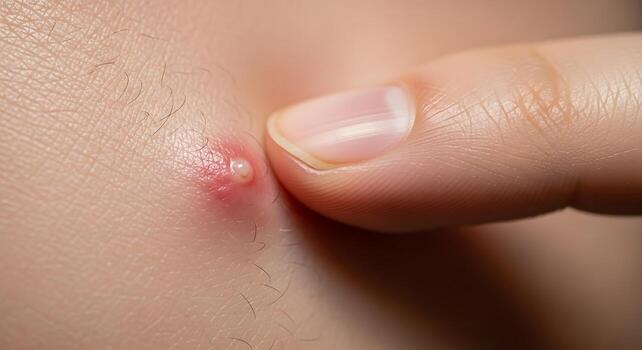
- A small, round lump under the skin that moves slightly when touched.
- Usually painless unless infected.
- May feel firm or rubbery.
- If infected, the cyst can become red, swollen, tender, and may drain pus.
What Causes a Sebaceous Cyst?
- Blockage of sebaceous glands or hair follicles.
- Skin trauma or injury.
- Genetic conditions (rarely).
- Excessive oil production.
How is a Sebaceous Cyst Diagnosed?
Diagnosis is usually based on a physical examination by a healthcare provider. Imaging tests are rarely needed unless the cyst is deep or complicated.
How is a Sebaceous Cyst Treated?
- Observation: Small, painless cysts may not require treatment.
- Incision and drainage: If infected or inflamed, draining the cyst may be necessary.
- Surgical removal: Complete removal of the cyst and its capsule is the best way to prevent recurrence.
- Antibiotics: Prescribed if there is infection.
What Are the Complications of a Sebaceous Cyst?
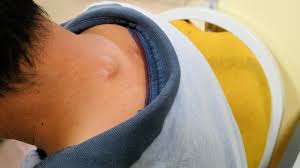
- Infection leading to abscess formation.
- Recurrence if the cyst is not fully removed.
- Rarely, rupture causing inflammation.
How Can You Manage a Sebaceous Cyst?
- Avoid squeezing or trying to pop the cyst.
- Keep the area clean.
- Seek medical care if the cyst becomes painful, red, or swollen.
When Should You See a Doctor?
- If the cyst grows rapidly or becomes painful.
- Signs of infection such as redness, warmth, or pus.
- If the cyst causes cosmetic concerns or discomfort.