


What is Reflex Neurovascular Dystrophy?
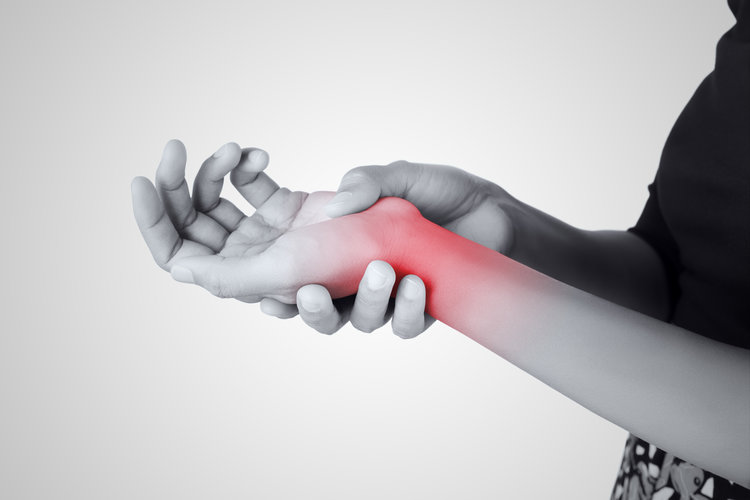
Reflex Neurovascular Dystrophy (RND) is a type of complex regional pain syndrome (CRPS), primarily affecting children and adolescents. It is characterized by chronic, severe pain in the limbs that is often disproportionate to the initial injury or trigger. RND involves abnormal functioning of the nervous and circulatory systems, leading to pain, swelling, changes in skin color and temperature, and movement difficulties. It is a real and debilitating condition but often responds well to early intervention and multidisciplinary treatment.
What Causes Reflex Neurovascular Dystrophy?
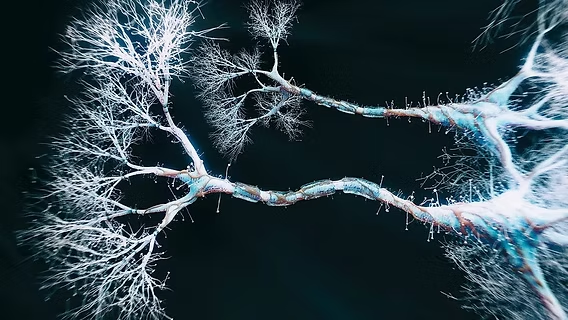
The exact cause of RND is not fully understood, but it is believed to involve overactivity of the autonomic nervous system and abnormal pain signaling. Possible contributing factors include:
- Minor trauma or injury such as a sprain or strain
- Surgery or immobilization of a limb
- Infections or illnesses that affect the nervous system
- Emotional or psychological stress
- Family history of chronic pain conditions
- Dysregulation of the autonomic nervous system affecting blood flow and pain perception
What Are the Symptoms of Reflex Neurovascular Dystrophy?
Symptoms can vary widely in intensity and location but often include:
- Severe burning or aching pain in an arm or leg
- Swelling of the affected limb
- Skin color changes, such as redness, blotchiness, or paleness
- Temperature changes in the affected area (warmer or colder than normal)
- Hypersensitivity to touch (allodynia)
- Decreased mobility or weakness in the limb
- Changes in sweating patterns in the affected area
- Emotional distress, such as anxiety or depression due to chronic pain
How Is Reflex Neurovascular Dystrophy Diagnosed?
Diagnosis is primarily clinical, based on symptoms and physical examination, as there is no single definitive test for RND. The process may include:
- Detailed medical history and assessment of pain and function
- Physical examination to evaluate skin changes, swelling, and movement limitations
- Exclusion of other conditions through tests like X-rays, MRI, or blood work
- Thermography or bone scans to detect temperature differences or bone changes
- Referral to a pediatric pain specialist or neurologist for further evaluation
What Are the Treatment Options for Reflex Neurovascular Dystrophy?
A multidisciplinary approach is most effective in treating RND. Treatment may include:
- Physical therapy – The cornerstone of treatment, focused on restoring normal movement and function
- Psychological therapy – Cognitive-behavioral therapy (CBT) to help manage stress, anxiety, and pain perception
- Pain management – Includes non-opioid medications such as NSAIDs, antidepressants, or anticonvulsants
- Desensitization therapy – Gradually increasing tolerance to touch and movement
- Biofeedback and relaxation techniques – To help regulate autonomic nervous system function
- Education and support – For both the patient and family to understand the condition and aid recovery
- School re-integration programs, if academic functioning has been affected
Can Reflex Neurovascular Dystrophy Cause Complications?
If not properly treated, RND can lead to:
- Chronic pain and disability
- Muscle wasting and joint stiffness from disuse
- Emotional and psychological effects such as depression or social withdrawal
- School absence and academic difficulties
- Decreased quality of life due to physical and emotional challenges