What is Quetiapine-Associated Gynecomastia?
Gynecomastia is the enlargement of breast tissue in males, which can occur due to hormonal imbalances. Quetiapine is an atypical antipsychotic used to treat schizophrenia, bipolar disorder, and depression. In some cases, quetiapine can cause gynecomastia as a side effect, likely due to its impact on hormone levels, particularly prolactin.
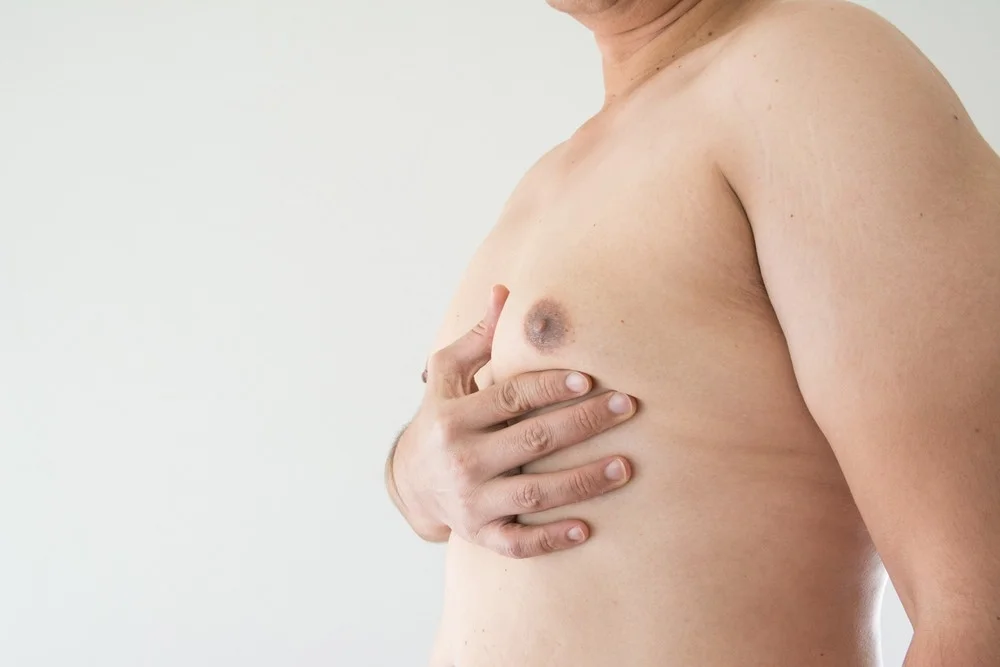
What Are the Symptoms of Quetiapine-Associated Gynecomastia?
Symptoms typically include:
- Swelling or enlargement of breast tissue in one or both breasts
- Tenderness or pain in the breast area
- Nipple sensitivity or discharge in rare cases
- A noticeable lump or firm tissue under the nipple
What Causes Quetiapine-Associated Gynecomastia?
Quetiapine can increase prolactin levels by blocking dopamine receptors in the brain. Dopamine normally inhibits prolactin secretion, so blocking dopamine leads to higher prolactin levels. Elevated prolactin can cause breast tissue growth. Other contributing factors may include:
- Dose and duration of quetiapine treatment
- Individual sensitivity to hormonal changes
- Interaction with other medications
- Underlying health conditions affecting hormone balance
How is Quetiapine-Associated Gynecomastia Diagnosed?
Diagnosis involves:
- Medical history review focusing on medication use and symptoms
- Physical examination of the breasts
- Blood tests to measure hormone levels, including prolactin, testosterone, and estrogen
- Imaging studies such as ultrasound or mammography if needed to rule out other causes
- Evaluation to exclude other potential causes like tumors or liver disease

How is Quetiapine-Associated Gynecomastia Treated?
Treatment depends on severity and patient preference:
- Monitoring mild cases that may resolve after quetiapine dose adjustment or discontinuation
- Switching to alternative medications with lower risk of increasing prolactin
- Medications such as selective estrogen receptor modulators (e.g., tamoxifen) in persistent or bothersome cases
- Surgery may be considered in severe, long-standing gynecomastia
- Addressing any underlying hormonal imbalances or health issues
Can Quetiapine-Associated Gynecomastia Be Prevented?
Prevention involves:
- Using the lowest effective dose of quetiapine
- Regular monitoring for early signs of breast tissue changes during treatment
- Discussing any breast-related symptoms promptly with healthcare providers
- Considering alternative medications if risk factors for gynecomastia are present