


What Is Quadriceps Tendinitis?
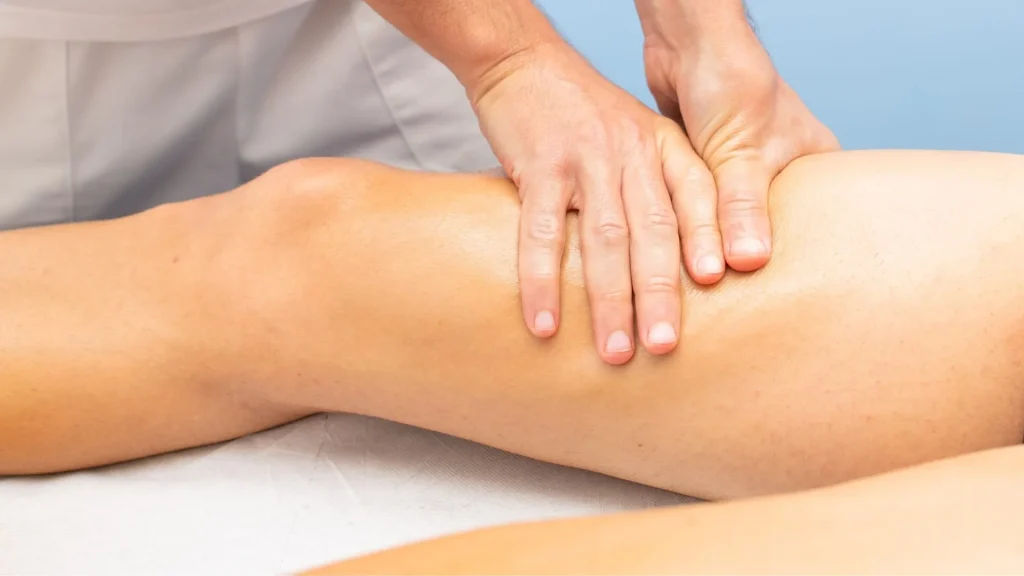
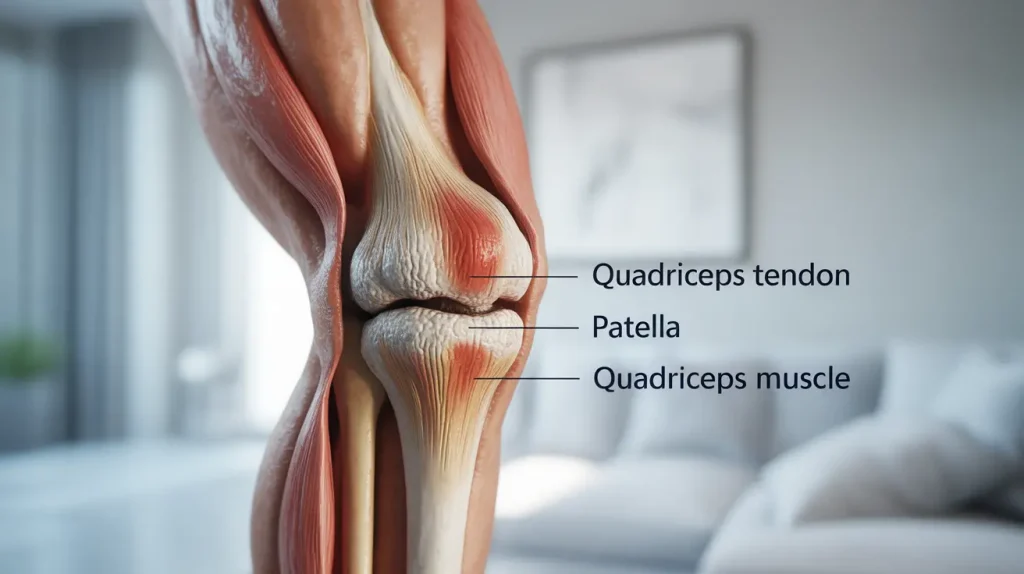
Quadriceps tendinitis, also known as quadriceps tendinopathy, is an overuse injury characterized by inflammation or degeneration of the quadriceps tendon—the strong band of tissue that connects the quadriceps muscle to the top of the kneecap (patella). This condition is common among athletes involved in sports that require repetitive jumping, running, or sudden changes in direction.
Causes and Risk Factors?
Common Causes:
- Overuse: Repetitive activities such as running, jumping, or squatting can lead to microtears in the tendon.
- Sudden increase in activity intensity or volume: Rapid escalation in training without adequate rest.
- Poor biomechanics: Improper movement patterns or technique during physical activities.
- Inadequate warm-up: Lack of proper stretching and preparation before exercise.
Risk Factors:
- Age: Individuals over 40 may experience tendon degeneration.
- Previous injuries: History of knee or tendon injuries increases susceptibility.
- Muscle imbalances: Weak or tight quadriceps and hamstrings can contribute to stress on the tendon.
- Training errors: Overtraining or not allowing sufficient recovery time.
Symptoms
- Pain: Localized pain at the top of the kneecap, especially during activities like squatting, jumping, or running.
- Swelling: Mild swelling around the knee.
- Tenderness: Increased sensitivity when pressing on the quadriceps tendon.
- Stiffness: Morning stiffness or discomfort after periods of inactivity.
- Weakness: Reduced strength in the affected leg, particularly when extending the knee.
Diagnosis
Diagnosis is primarily clinical, based on medical history and physical examination. Healthcare providers may perform specific tests to assess tenderness and pain levels. In some cases, imaging studies like ultrasound or MRI may be used to rule out other conditions or assess the extent of tendon damage.
Treatment Options
Non-Surgical Treatments:
- Rest: Avoid activities that exacerbate pain to allow the tendon to heal.
- Ice therapy: Apply ice packs to reduce inflammation and swelling.
- Compression and elevation: Use compression wraps and elevate the leg to minimize swelling.
- Nonsteroidal anti-inflammatory drugs (NSAIDs): Medications like ibuprofen can help alleviate pain and inflammation.
- Physical therapy: A structured rehabilitation program focusing on strengthening and stretching exercises.
Surgical Treatment:
Surgery is rarely required and is typically considered only when conservative treatments fail after an extended period. The procedure may involve removing damaged tissue or repairing the tendon.
Rehabilitation and Recovery
Rehabilitation is crucial for recovery and involves a phased approach:
Phase I (0–2 weeks):
- Goals: Reduce pain and inflammation.
- Activities: Rest, ice application, and gentle range-of-motion exercises.
Phase II (2–6 weeks):
- Goals: Restore flexibility and begin strengthening.
- Activities: Stretching exercises, isometric quadriceps contractions, and low-impact activities like stationary biking.
Phase III (6–12 weeks):
- Goals: Increase strength and endurance.
- Activities: Progressive resistance training, functional exercises, and sport-specific drills.
Phase IV (12+ weeks):
- Goals: Return to full activity.
- Activities: Gradual reintroduction to sports or high-impact activities, focusing on proper technique and load management.
Recovery time varies depending on the severity of the tendinitis and adherence to the rehabilitation program. Most individuals experience significant improvement within 6 to 8 weeks, with full recovery occurring over several months.
Prevention Tips
- Warm-up properly: Engage in dynamic stretching before activities.
- Strengthen muscles: Focus on strengthening the quadriceps, hamstrings, and hip muscles.
- Avoid overtraining: Gradually increase activity levels and allow adequate rest between sessions.
- Use proper footwear: Wear shoes that provide adequate support and cushioning.
- Maintain flexibility: Incorporate regular stretching into your routine to maintain muscle flexibility.
When to Seek Medical Attention
Consult a healthcare provider if:
- Pain persists despite rest and conservative treatments.
- Swelling or bruising develops around the knee.
- There is a noticeable weakness or instability in the leg.
- Symptoms interfere with daily activities or sports participation.