


intraduction
Auditory Neuropathy Spectrum Disorder (ANSD) is a hearing disorder that affects the way sound is processed in the inner ear and transmitted to the brain. It occurs when the auditory nerve, which is responsible for carrying sound signals from the ear to the brain, does not function properly. This condition can result in varying degrees of hearing loss, from mild to profound. In this article, we will explore the causes, symptoms, diagnosis, and treatment options for ANSD.
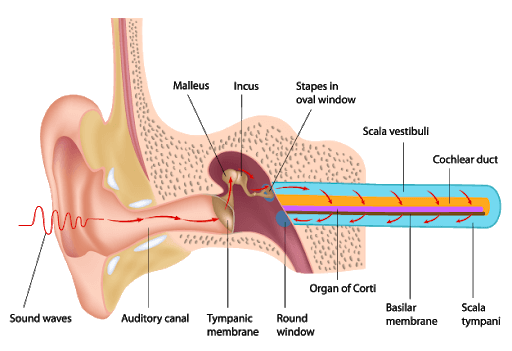
What is Auditory Neuropathy Spectrum Disorder (ANSD)?
Auditory Neuropathy Spectrum Disorder (ANSD), also known as Auditory Neuropathy, is a condition where the auditory nerve or the inner ear is unable to transmit sound signals correctly to the brain. Unlike other forms of hearing loss, which are typically caused by damage to the hair cells in the inner ear, ANSD occurs when there is a dysfunction of the auditory nerve or the synapses between the inner ear and the auditory nerve.
Key Features:
- Impaired Signal Transmission: In ANSD, sound may be detected by the inner ear but is not transmitted properly to the brain due to issues with the auditory nerve or synaptic function.
- Variable Hearing Loss: ANSD can present with a range of hearing loss, from mild to severe, and can vary greatly among individuals.
- Speech Understanding Issues: Even though sounds may be detected, individuals with ANSD may have difficulty understanding speech, especially in noisy environments.
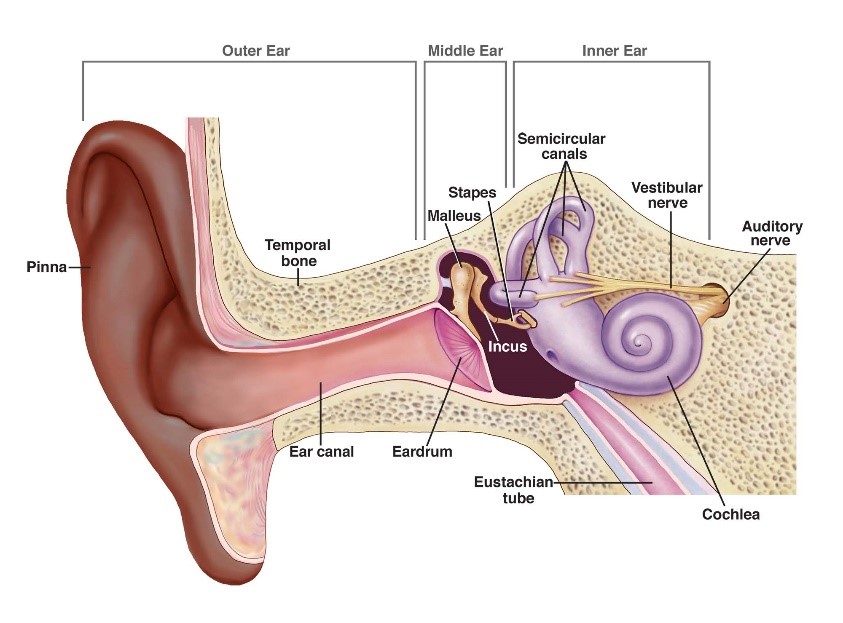
Symptoms of Auditory Neuropathy Spectrum Disorder (ANSD)?
The symptoms of Auditory Neuropathy Spectrum Disorder can vary widely between individuals, but they typically involve some form of hearing impairment. Common symptoms include:
1. Difficulty Hearing Speech
- People with ANSD may have trouble understanding speech, even when they can hear sounds. This issue is especially apparent in noisy environments.
2. Variable Hearing Loss
- Hearing loss can fluctuate throughout the day or may change depending on external factors such as the presence of background noise.
3. Normal Otoacoustic Emissions (OAEs)
- In many cases, ANSD is identified when a person has normal otoacoustic emissions (OAEs), which are sounds produced by the inner ear in response to stimuli, despite having hearing loss.
4. Abnormal Auditory Brainstem Response (ABR)
- Individuals with ANSD often show abnormal results on an auditory brainstem response (ABR) test, which measures how the brain responds to sound.
5. Speech Delay in Children
- ANSD may cause speech delays in children due to difficulty processing sound signals correctly.
6. Good Sound Detection with Poor Speech Understanding
- Individuals with ANSD might detect environmental sounds like a horn honking or a siren but struggle to understand speech.
7. Difficulty with Noise Distinction
- Distinguishing between sounds in a noisy environment can be especially difficult for those with ANSD, as the brain struggles to process complex sound signals.

Causes of Auditory Neuropathy Spectrum Disorder (ANSD)?
The exact cause of Auditory Neuropathy Spectrum Disorder can vary. Some of the common causes include:
1. Genetic Factors
- ANSD can be inherited through genetic mutations. In some cases, it is present at birth and runs in families. Mutations in genes related to the auditory system may contribute to this disorder.
2. Prematurity
- Babies born prematurely, especially those who require neonatal intensive care, are at higher risk of developing ANSD. The immaturity of their auditory system may contribute to the disorder.
3. Damage to the Auditory Nerve
- Damage to the auditory nerve from factors such as injury, infections, or inflammation may lead to ANSD.
4. Mitochondrial Disorders
- Mitochondrial disorders, which affect the energy-producing components of cells, can also be a cause of ANSD. These disorders can impact the function of the auditory nerve.
5. Infections
- Infections during pregnancy, such as cytomegalovirus (CMV), rubella, or meningitis, can result in ANSD by affecting the developing auditory nerve or inner ear structures.
6. Use of Ototoxic Medications
- Medications that are toxic to the auditory system, such as certain chemotherapy drugs or high doses of antibiotics, may cause ANSD.
Diagnosis of Auditory Neuropathy Spectrum Disorder (ANSD)?
The diagnosis of Auditory Neuropathy Spectrum Disorder typically involves a combination of medical evaluations, audiological tests, and imaging studies. Common diagnostic tests include:
1. Audiological Testing
- Pure-tone Audiometry: This test measures the ability to hear pure tones at various frequencies and intensities.
- Speech Audiometry: This test evaluates the ability to understand speech, which is often impaired in people with ANSD.
- Otoacoustic Emissions (OAEs): This test checks the function of the outer hair cells in the cochlea. In many cases of ANSD, OAEs are present, but the brain’s response to sound is abnormal.
2. Auditory Brainstem Response (ABR) Test
- The ABR test measures how sound signals travel along the auditory nerve to the brainstem. In ANSD, the ABR results are typically abnormal or absent, indicating a dysfunction in the auditory nerve or the brainstem.
3. Imaging Studies
- Imaging tests such as MRI or CT scans may be used to assess the structural integrity of the auditory nerve or inner ear and rule out other causes of hearing loss.
4. Genetic Testing
- In some cases, genetic testing may be recommended to identify inherited causes of ANSD.
Treatment for Auditory Neuropathy Spectrum Disorder (ANSD)?
There is currently no cure for Auditory Neuropathy Spectrum Disorder, but several treatment options can help manage the condition and improve communication:
1. Hearing Aids
- Hearing aids may be used to amplify sounds, but they are generally more effective for people with ANSD who have some residual hearing. They may not be as effective for those who have severe or profound hearing loss.
2. Cochlear Implants
- For individuals with severe hearing loss or those who do not benefit from hearing aids, cochlear implants may be a viable option. A cochlear implant bypasses the damaged auditory nerve and directly stimulates the auditory pathway.
3. Speech and Language Therapy
- Speech therapy is often recommended, especially for children with ANSD who are delayed in speech and language development. Early intervention can help children develop communication skills.
4. Auditory Training
- Auditory training programs may help individuals with ANSD improve their ability to understand speech and environmental sounds by strengthening the brain’s processing of auditory information.
5. Supportive Devices
- FM systems and other assistive listening devices can help individuals with ANSD hear better in noisy environments, such as classrooms or crowded areas.
6. Management of Underlying Conditions
- If ANSD is caused by an underlying condition such as an infection, genetic syndrome, or mitochondrial disorder, managing or treating that condition may help improve hearing function.
Prognosis of Auditory Neuropathy Spectrum Disorder (ANSD)?
The prognosis for individuals with ANSD varies widely. Some people may experience only mild hearing difficulties, while others may have more severe hearing loss. Early diagnosis and intervention are key to improving outcomes, especially in children. With appropriate treatment, such as the use of hearing aids, cochlear implants, and speech therapy, many individuals with ANSD can achieve significant improvements in communication and quality of life.