


What is Polycystic Kidney Disease (PKD)?
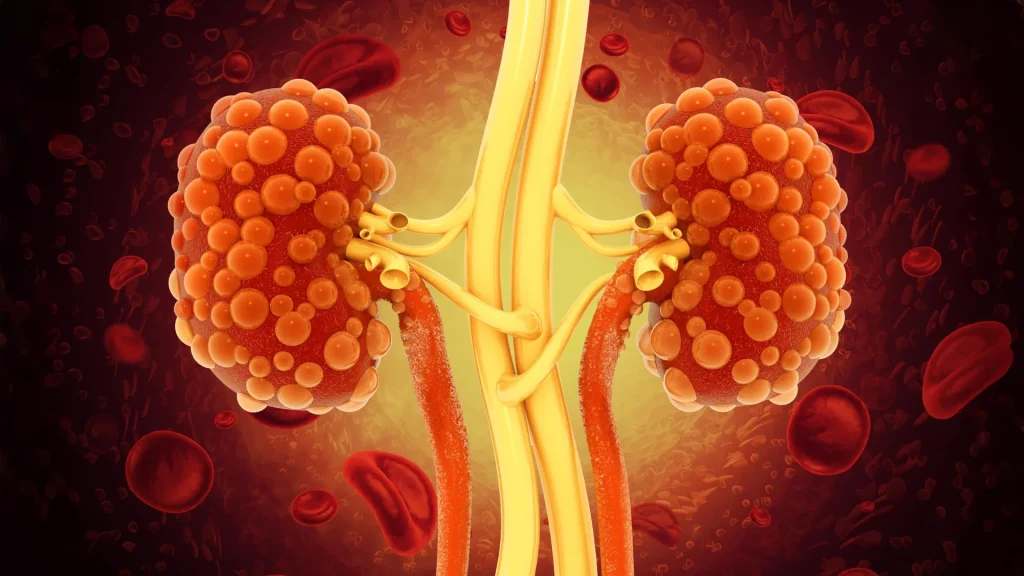
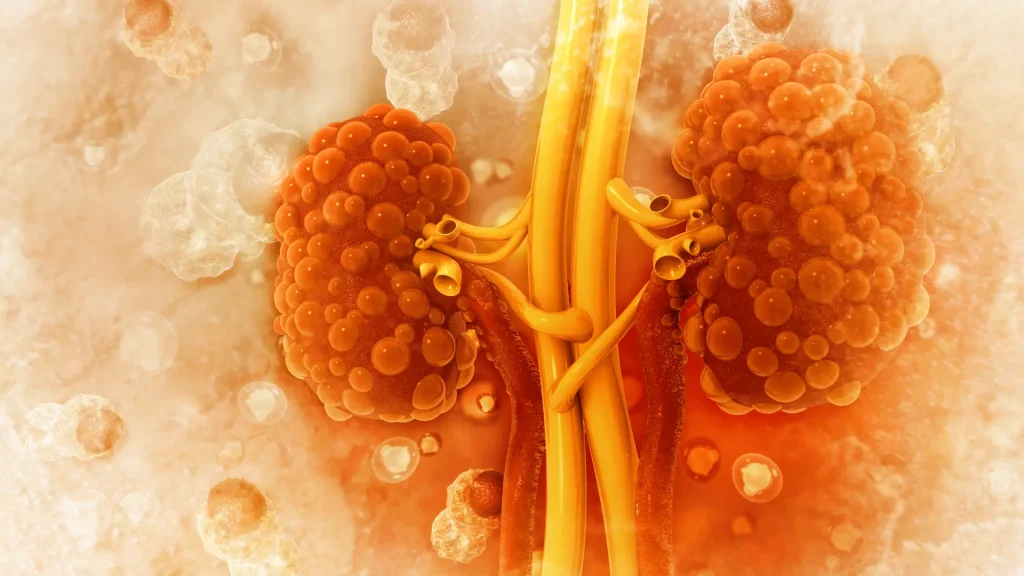
Polycystic Kidney Disease (PKD) is a genetic disorder characterized by the growth of numerous cysts filled with fluid in the kidneys. These cysts gradually enlarge and can cause the kidneys to become enlarged and lose function over time. PKD can lead to kidney failure and other serious health problems.
What causes Polycystic Kidney Disease?
PKD is caused by inherited gene mutations:
- Autosomal Dominant PKD (ADPKD): The most common form, usually appears in adulthood and is inherited from one affected parent.
- Autosomal Recessive PKD (ARPKD): A rare form that appears in infancy or early childhood, inherited from both parents carrying the defective gene.
These genetic mutations cause abnormal kidney cell growth, leading to cyst formation.
What are the symptoms?
Symptoms often develop gradually and may include:
- High blood pressure (hypertension)
- Back or side pain
- Enlarged abdomen due to kidney enlargement
- Blood in the urine (hematuria)
- Frequent urinary tract infections
- Kidney stones
- Headaches (related to high blood pressure)
- In advanced cases, signs of kidney failure such as fatigue, swelling, and decreased urine output
How is Polycystic Kidney Disease diagnosed?
Diagnosis is based on:
- Imaging tests: Ultrasound, CT scan, or MRI to detect cysts in the kidneys
- Family history: Because PKD is inherited, family history is important
- Genetic testing: Can confirm the diagnosis, especially in unclear cases
- Blood and urine tests: To assess kidney function and detect complications
How is it treated?
There is no cure for PKD, but treatment focuses on managing symptoms and slowing progression:
- Blood pressure control: Using medications like ACE inhibitors or ARBs
- Pain management: For kidney pain or complications
- Treatment of urinary infections or kidney stones
- Lifestyle changes: Healthy diet, regular exercise, avoiding smoking
- Dialysis or kidney transplant: In cases of kidney failure
- Newer medications like tolvaptan may help slow cyst growth in some patients
What is the prognosis?
PKD is a chronic condition. Many people live with it for years before kidney function declines significantly. However, about half of adults with autosomal dominant PKD develop kidney failure by age 60. Early diagnosis and treatment can improve quality of life and delay progression.
What complications can occur?
Possible complications include:
- Chronic kidney disease and kidney failure
- High blood pressure and cardiovascular problems
- Cysts in the liver or other organs
- Aneurysms in the brain (rare but serious)
- Urinary tract infections and kidney stones
Who is most at risk?
- Individuals with a family history of PKD
- Those with inherited gene mutations causing PKD
Can Polycystic Kidney Disease be prevented?
PKD cannot be prevented because it is genetic. However, risk of complications can be reduced by:
- Regular medical monitoring
- Controlling blood pressure
- Healthy lifestyle choices
Are there support resources?
Yes, support includes:
- Nephrologists and kidney specialists for ongoing care
- Genetic counseling for affected families
- Patient support groups and educational resources from organizations like the PKD Foundation
- Access to dialysis and transplant services if needed