


What is Pneumomediastinum?
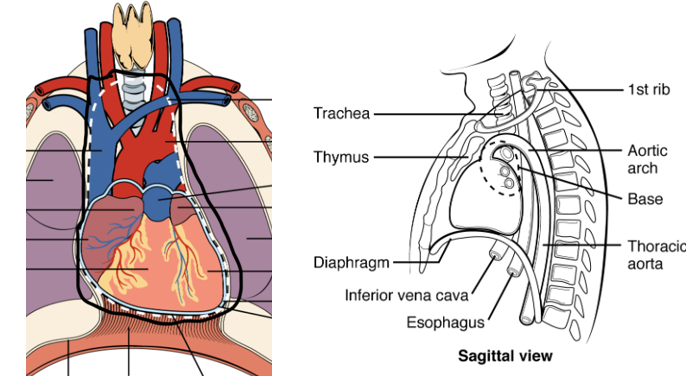
Pneumomediastinum is a medical condition where air is present in the mediastinum, the central compartment in the chest that contains the heart, large blood vessels, trachea, esophagus, and other vital structures. This abnormal air collection can cause chest pain and breathing difficulties and may arise from injury, lung problems, or other causes.
What causes Pneumomediastinum?
Common causes of Pneumomediastinum include:
- Trauma to the chest or neck (such as a car accident or injury)
- Sudden increases in chest pressure from activities like heavy coughing, vomiting, or strenuous exercise
- Asthma or chronic obstructive pulmonary disease (COPD) exacerbations
- Infections that produce gas or cause tissue damage
- Medical procedures like endoscopy, intubation, or surgery
- Rupture of alveoli (tiny air sacs in the lungs) due to barotrauma or mechanical ventilation
Sometimes, pneumomediastinum can occur spontaneously without an obvious cause.
What are the symptoms of Pneumomediastinum?
Symptoms can vary but often include:
- Sudden, sharp chest pain or tightness
- Shortness of breath or difficulty breathing
- Neck pain or swelling
- Voice changes or difficulty swallowing
- A crackling sensation under the skin of the neck or chest (subcutaneous emphysema)
- Sometimes, no symptoms and the condition is found incidentally on imaging
How is Pneumomediastinum diagnosed?
Diagnosis is usually made through clinical examination and imaging tests such as:
- Chest X-ray: Often the first imaging test to detect air in the mediastinum
- CT scan (Computed Tomography): Provides detailed images to confirm diagnosis and assess for underlying causes
- Physical exam: May reveal subcutaneous emphysema or characteristic sounds
What are the treatment options for Pneumomediastinum?
Treatment depends on the severity and underlying cause:
- Observation and oxygen therapy: Many cases resolve on their own with rest and supplemental oxygen to help absorb the air
- Pain management: To relieve chest pain and discomfort
- Treat underlying cause: For example, asthma attacks or infections
- Surgery: Rarely needed unless there is a serious injury or complications such as tension pneumomediastinum
What is the prognosis for Pneumomediastinum?
The outlook is generally good for most people, especially those with spontaneous or mild pneumomediastinum. Complications are uncommon when appropriately managed. However, pneumomediastinum caused by trauma or severe underlying conditions may require more intensive care.
How can Pneumomediastinum be prevented or managed long-term?
Preventive measures include:
- Avoiding activities that cause sudden increases in chest pressure, such as forceful coughing or heavy lifting, especially if you have lung disease
- Properly managing asthma or other lung conditions
- Taking care during medical procedures that involve the airway or chest